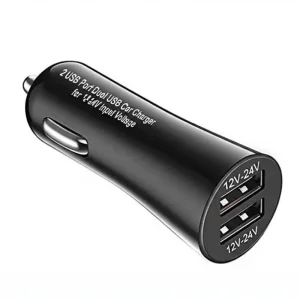
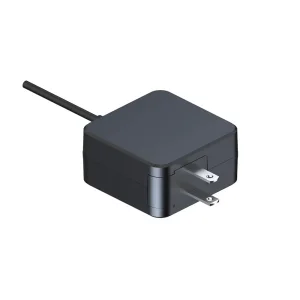
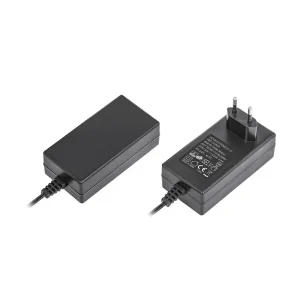
Explore our engineering-certified product matrix ranging from micro-charger configurations to heavy-duty power interfaces, built to global regulatory standards.
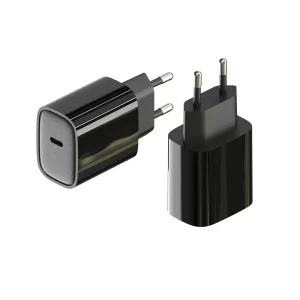
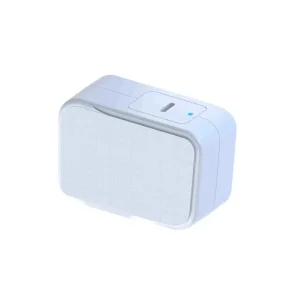
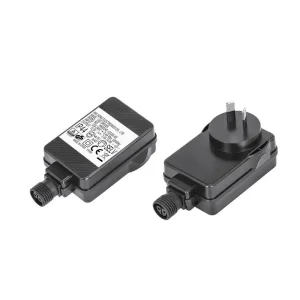
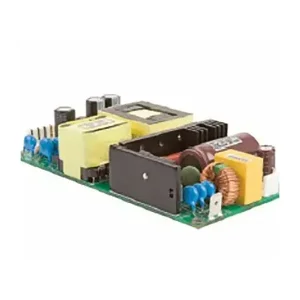
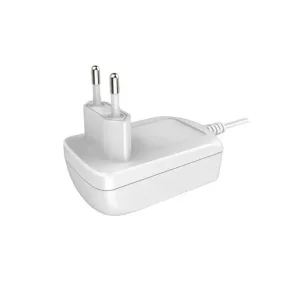
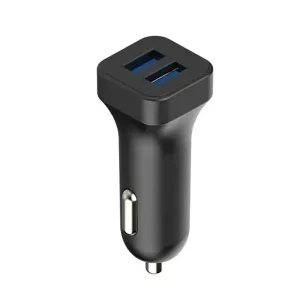
Decoding the shifts in power electronics density, switching frequencies, and topological evolution redefining mid-power smart systems.
The transition from legacy Silicon MOSFETs to wide-bandgap (WBG) materials like Silicon Carbide (SiC) and Gallium Nitride (GaN) represents the most disruptive development in the 10-30kW power range. SiC components enable significantly higher switching frequencies (up to 150 kHz and beyond) while decreasing switching losses by up to 60%. This shift allows engineers to use smaller passive magnetic components, drastically reducing the physical envelope size of 10-30kW charging systems and grid-tied inverters while pushing peak conversion efficiency past 98.5%.
Modern 10-30kW inverters and chargers are no longer unidirectional pipes. Advanced topologies like the Dual Active Bridge (DAB) and Bidirectional LLC resonant converters enable seamless energy exchange between vehicles, localized battery storage installations, and the utility grid. In the 10-30kW spectrum—perfectly suited for commercial destinations and small industrial sites—this functionality supports demand-charge shaving, dynamic reactive power compensation, and backup power provision during utility service anomalies.
Managing heat load in a compact 10-30kW power density envelope is critical for reliability. Modern topologies are moving away from traditional heat sink profiles toward liquid-cooled plates and micro-channel forced-air cooling designs. Intelligent dynamic speed-controlled fans integrated with real-time temperature sensing loops ensure thermal equilibrium is maintained. This prevents component degradation and prolongs the service life of electrolytic filter capacitors and power semiconductor modules.
Enterprise-level buyers, EV fleet operators, and industrial EPC contractors face strict requirements when sourcing 10-30kW class hardware. Procurement decisions are heavily driven by Total Cost of Ownership (TCO), multi-region safety certifications, and modular scalability.
| Parameters | Standard EV Charger Requirements | Industrial Inverter Specifications |
|---|---|---|
| Output Power | 10kW - 30kW DC Fast Charge | 10kW - 30kW AC Three-Phase Grid-Tied |
| Converter Efficiency | > 96.5% at Rated Load | > 98.2% CEC Weighted Efficiency |
| Harmonic Distortion | THDi < 5% at Full Load | THD < 3% for Clean Grid Sync |
| Isolation Topology | Galvanic Isolation (HF Transformer) | Transformerless (TL) or isolated variants |
| Enclosure Protection | IP54 minimum (IP65 Preferred) | NEMA 4X / IP66 for extreme weather |
From distributed energy resource management to high-availability destination EV networks, our topologies power modern business applications.
Combining localized photovoltaic arrays, battery energy storage systems (BESS), and 10-30kW hybrid inverters enables decentralization of energy dependencies. The integration of CAN bus and Modbus TCP protocols permits microgrid EMS (Energy Management Systems) to dynamically balance load demand, manage solar curtailment, and coordinate battery dispatch in real time.
For corporate fleets, multifamily housing, and hospitality parking, our 10-30kW low-power DC wallbox chargers bridge the gap between slow 7.4kW AC chargers and costly 150kW megawatt chargers. Using OCPP 1.6J/2.0.1 JSON protocols, operators can establish dynamic load management systems that optimize the site's total energy capacity without upgrading local distribution transformers.
Critical operations require highly stable, clean AC sine wave power. Our 10-30kW industrial power inverters act as high-efficiency online double-conversion blocks. They protect sensitive IT, defense, and medical equipment from electrical transients, brownouts, and frequency fluctuations with zero-millisecond transfer times.
Global Supplier of Industrial Power Adapters, High-Frequency Chargers, and Core Electronic Components.

Location: No.129 of the first industrial zone, Lisonglang Community, Gongming Town, Guangming New District, Shenzhen, Guangdong, China.
Established in August 2010, Shenzhen FuYun (RUIYU) Technology co., LTD. is a collection of R&D, production, sales power adapter, charger, hairdressing instrument high-pressure core parts and after-sales service.
The company has more than 800 employees, has more than 30 management staffs, and has a series of advanced automation equipments and various advanced testing instruments and reliability test equipment.
Since its establishment, the company has continuously strengthened internal management, improved its quality management system, and enhanced service quality and awareness. Through these joint efforts, the company has secured a 60% market share in the USA and EU, alongside rapid expansion in China, Japan, and South Korea.
We always adhere to market-oriented development and the principles of "cooperative innovation, pragmatism, and achievement," continuously improving production technology and quality management systems. In 2012, we passed a series of national and international certifications, gaining a strong reputation across the industry.

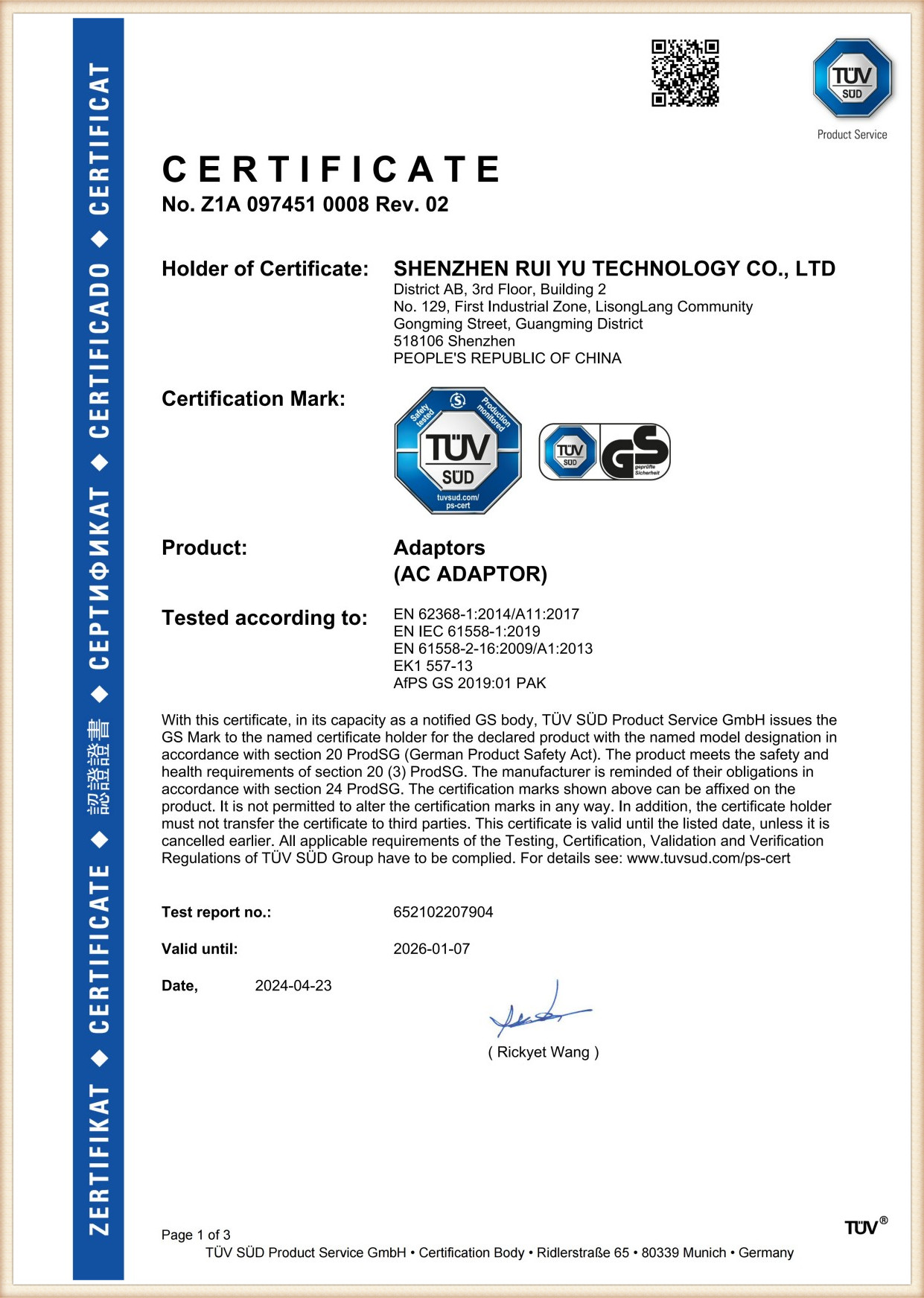
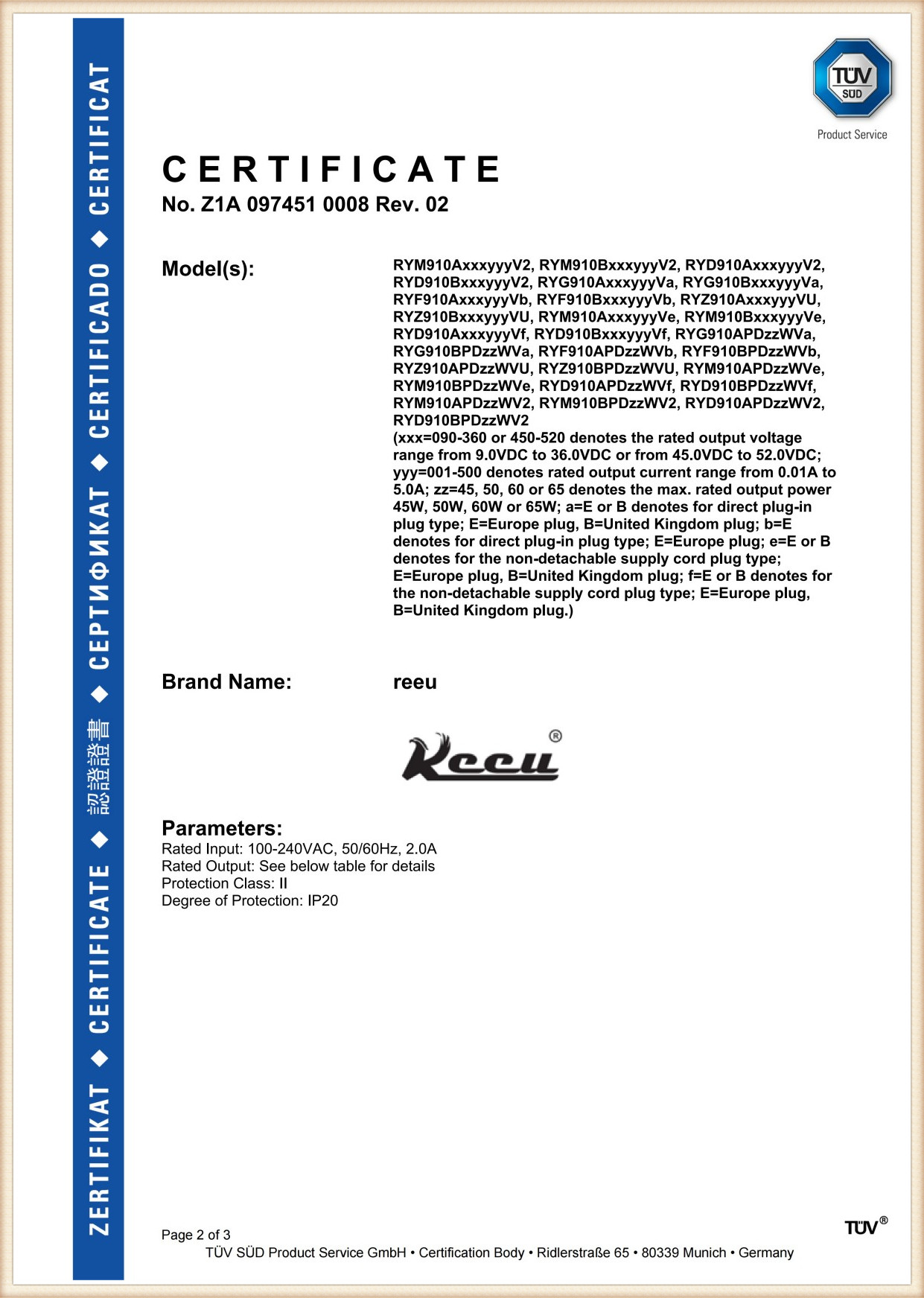
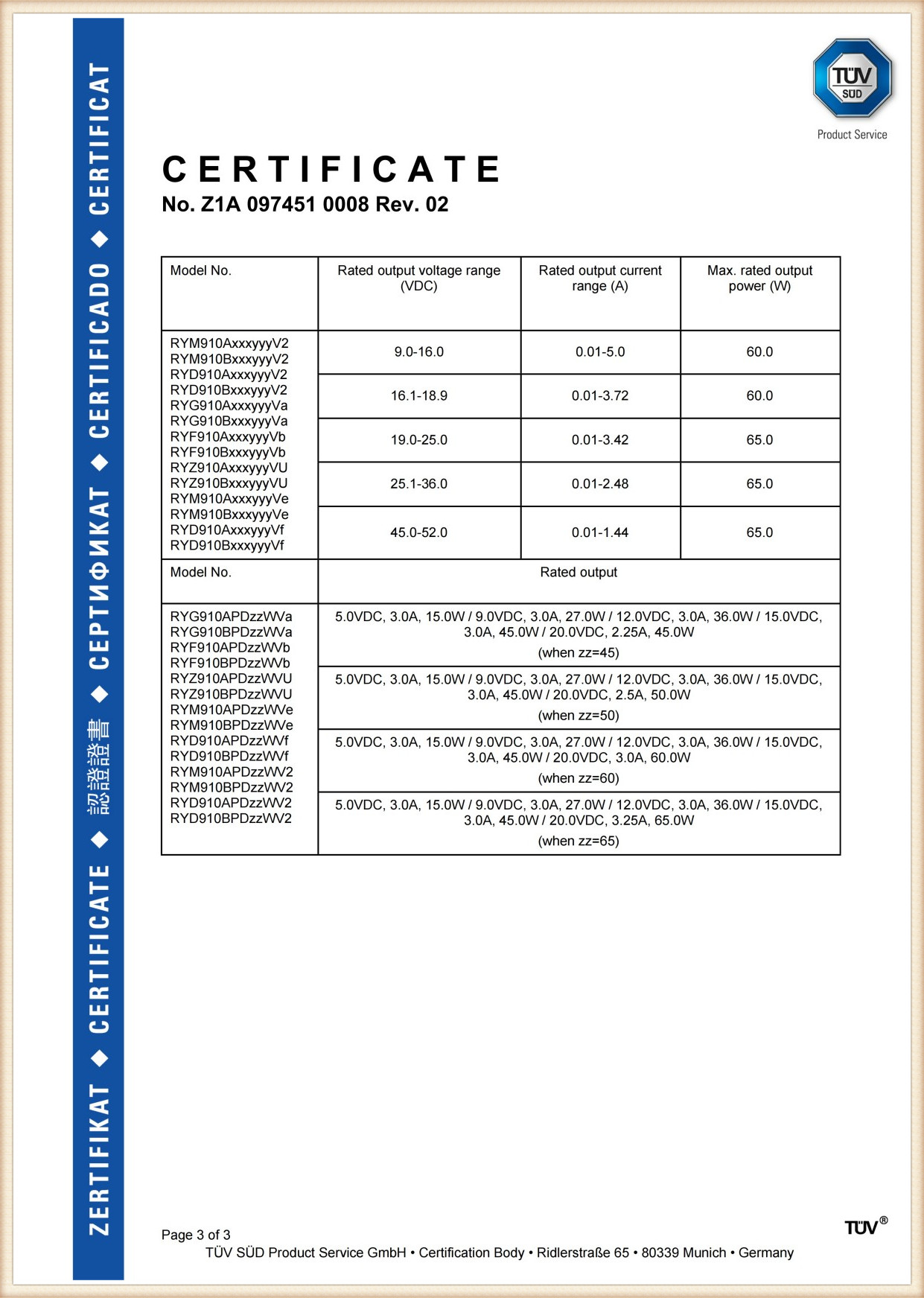
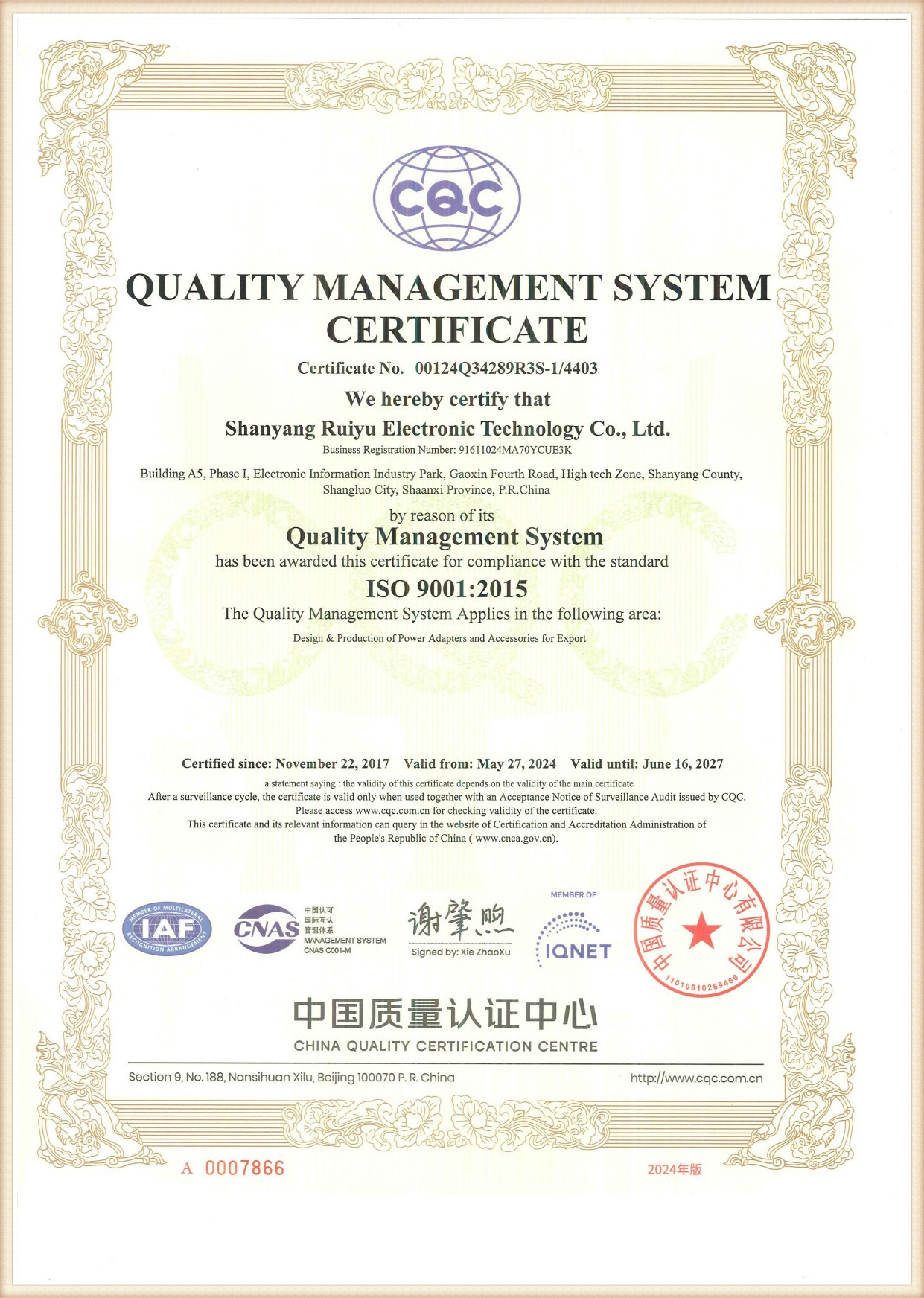
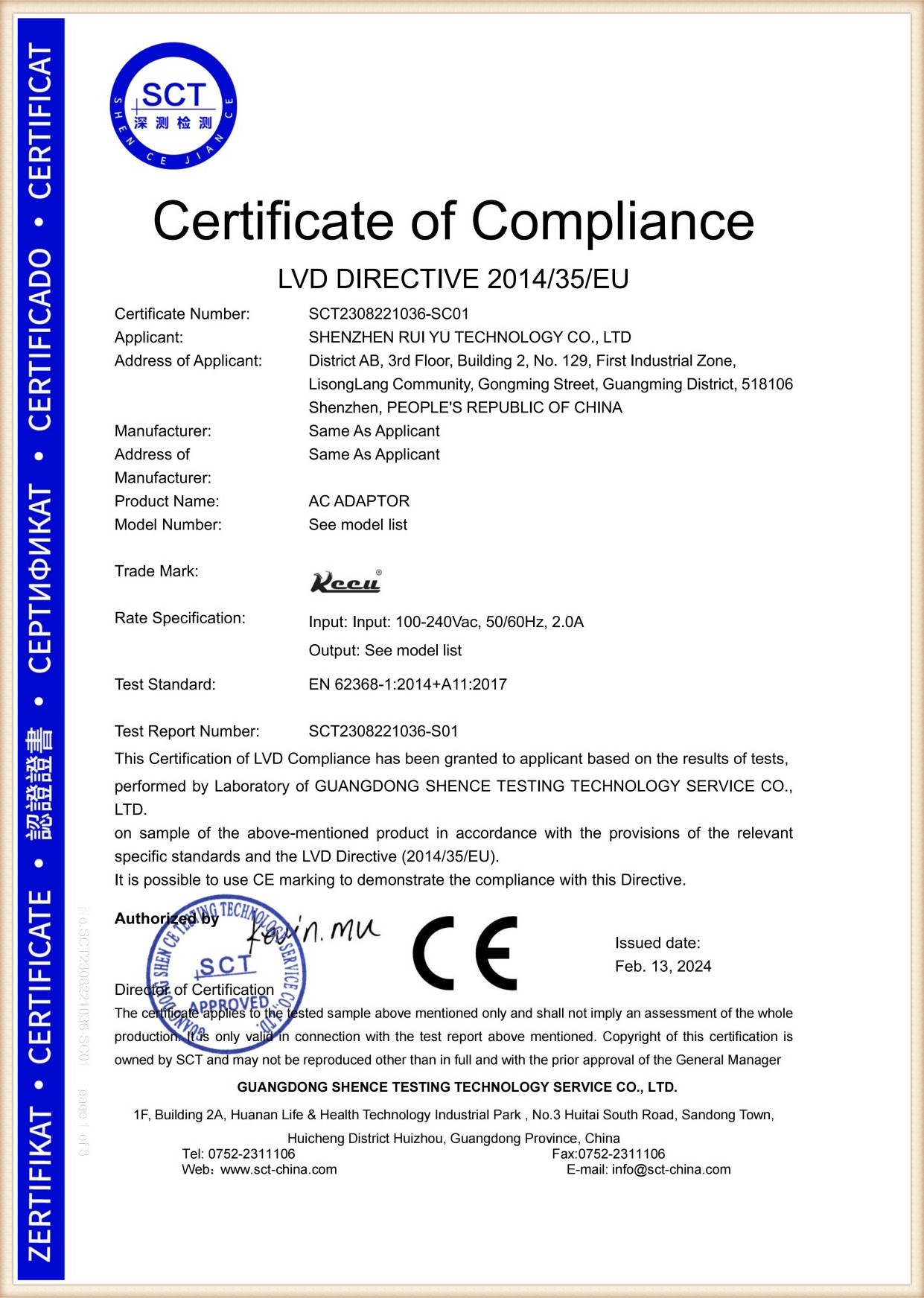
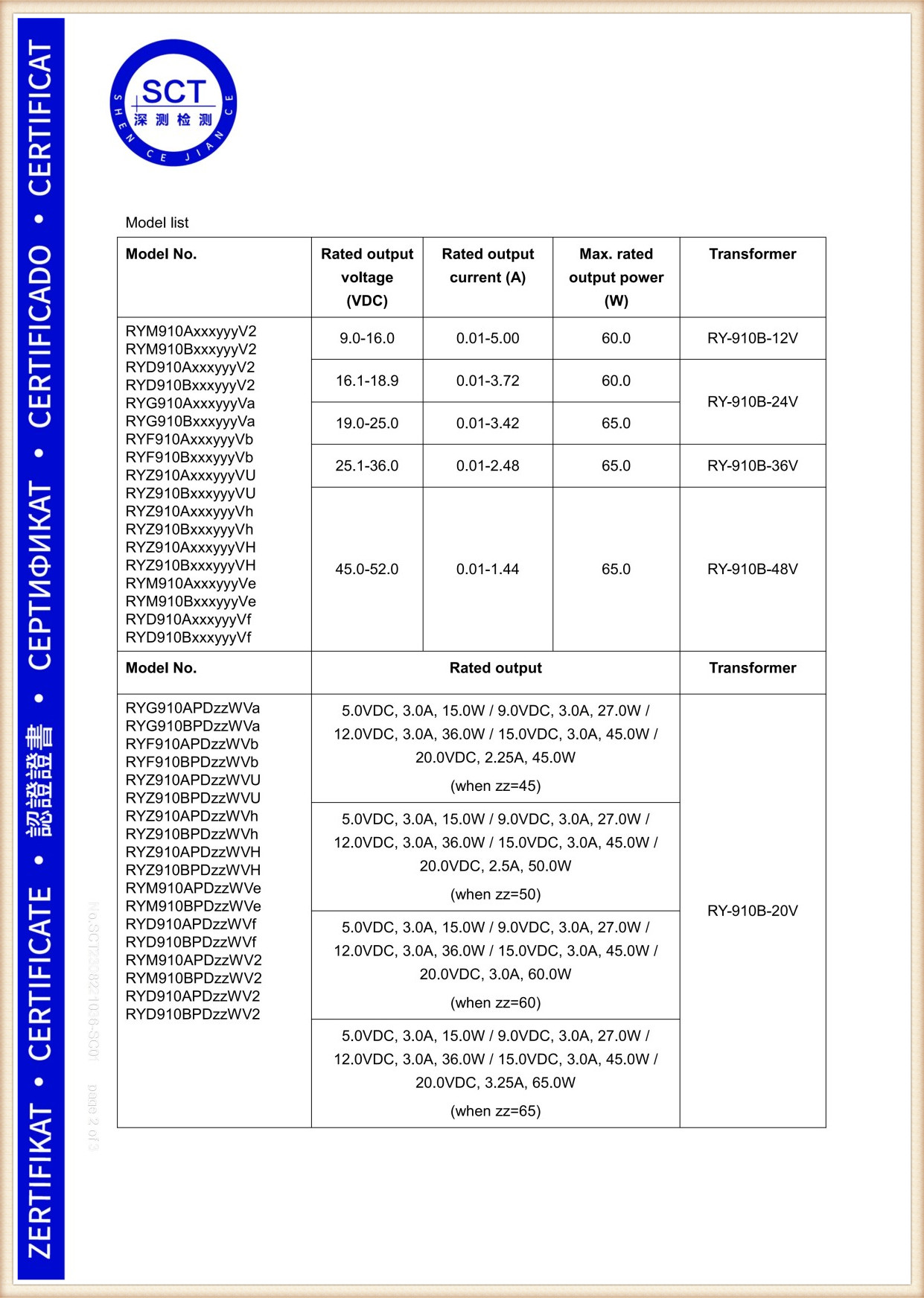

RUIYU Technology utilizes modern production equipment and advanced testing instruments. Our standard lead time is 15 - 20 days after order confirmation. To ensure all adapters meet our high quality standards, we employ 30 QA / QC staff to monitor and test each adapter at every production stage.
We strictly follow ISO9001 standards and our internal SOPs. Every adapter undergoes comprehensive testing before packaging and shipment. We maintain production records for several years to ensure 100% traceability for every unit produced.
"High quality standard and best service should make us win to win!"
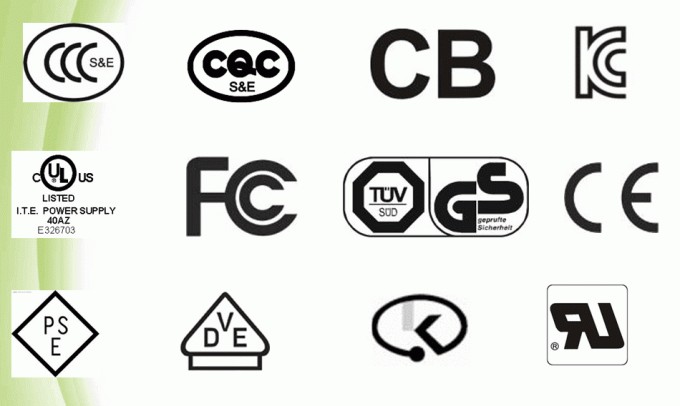
We are doing our best to offer high quality products and best service to build long-term cooperation. What we provide:
As global energy grids transitions toward decentralized, bidirectional networks, RUIYU Technology is actively researching several key technical benchmarks to define the next generation of mid-power architectures:
Integrating micro-sensors and edge computing modules directly onto the charger control board. By analyzing ripple currents and temperature patterns over time, the system can estimate the remaining service life of key components, warning operators before a hardware failure occurs.
Collaborating with material science institutes to develop nanocrystalline core materials. This research will help halve the footprint of isolation transformers and filters, paving the way for 30kW wallbox modules with power densities exceeding 2.5 W/cm³.
Developing native support for advanced communication standards, including ISO 15118 (Plug & Charge) and CHAdeMO 3.0 (ChaoJi). This ensures plug-and-play capability across global automotive networks without secondary adapters.
Answers to key integration, regulatory, and electrical questions from engineering and procurement managers.
Engineered for consumer, medical, and light industrial applications. Certified compliance for global markets.
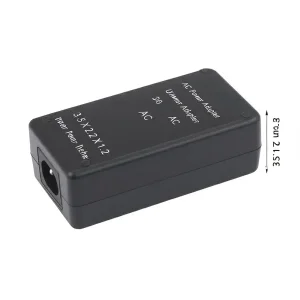
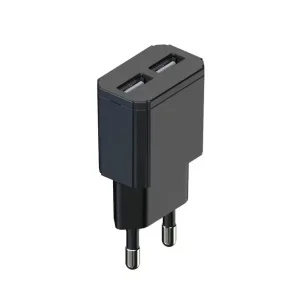
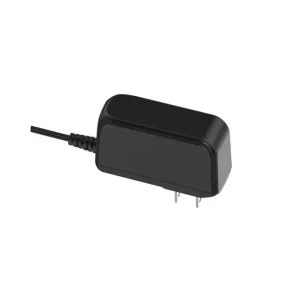
 Tech Adapter