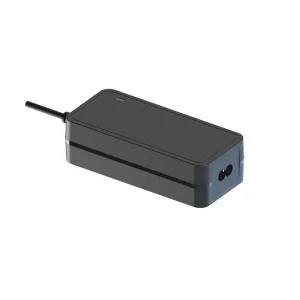
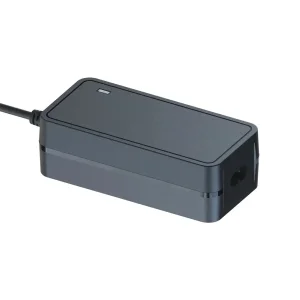
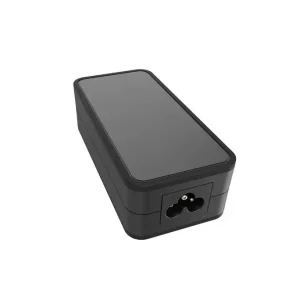
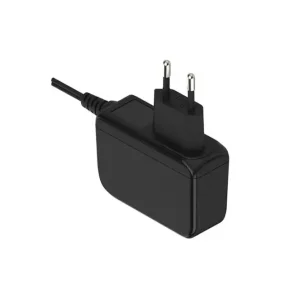
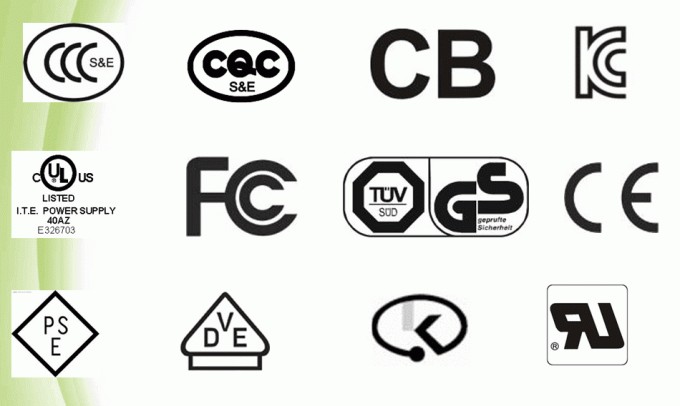
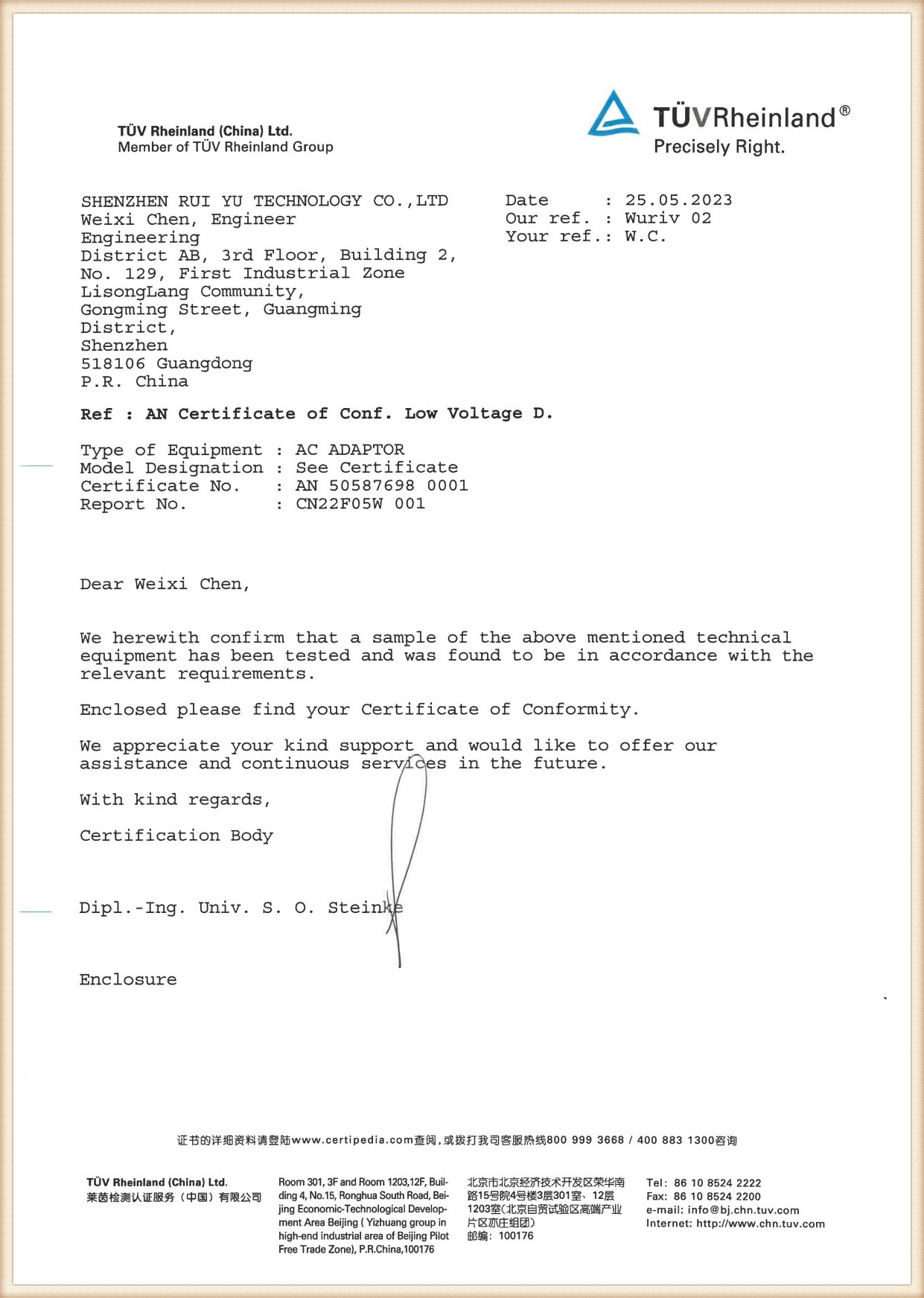
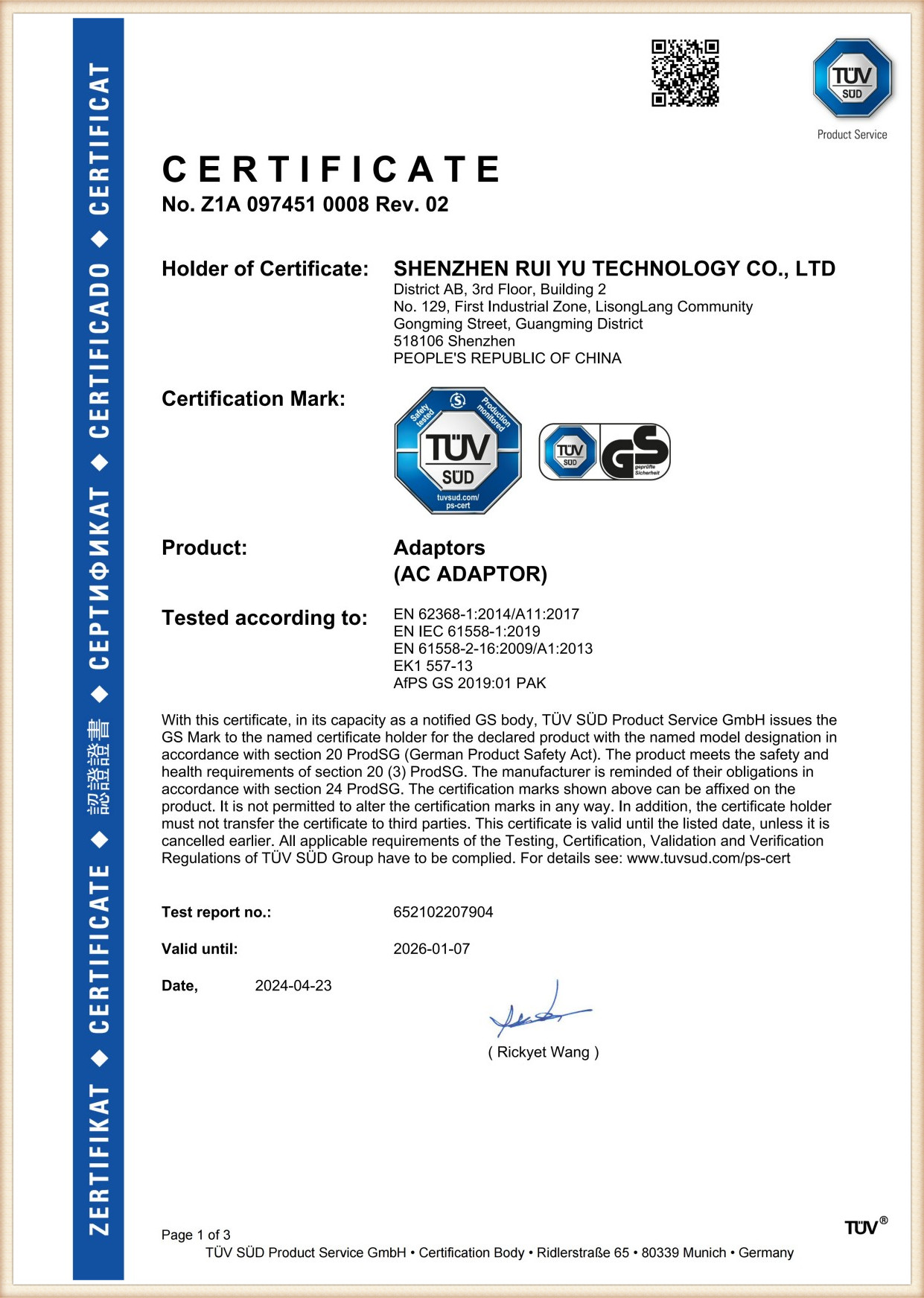
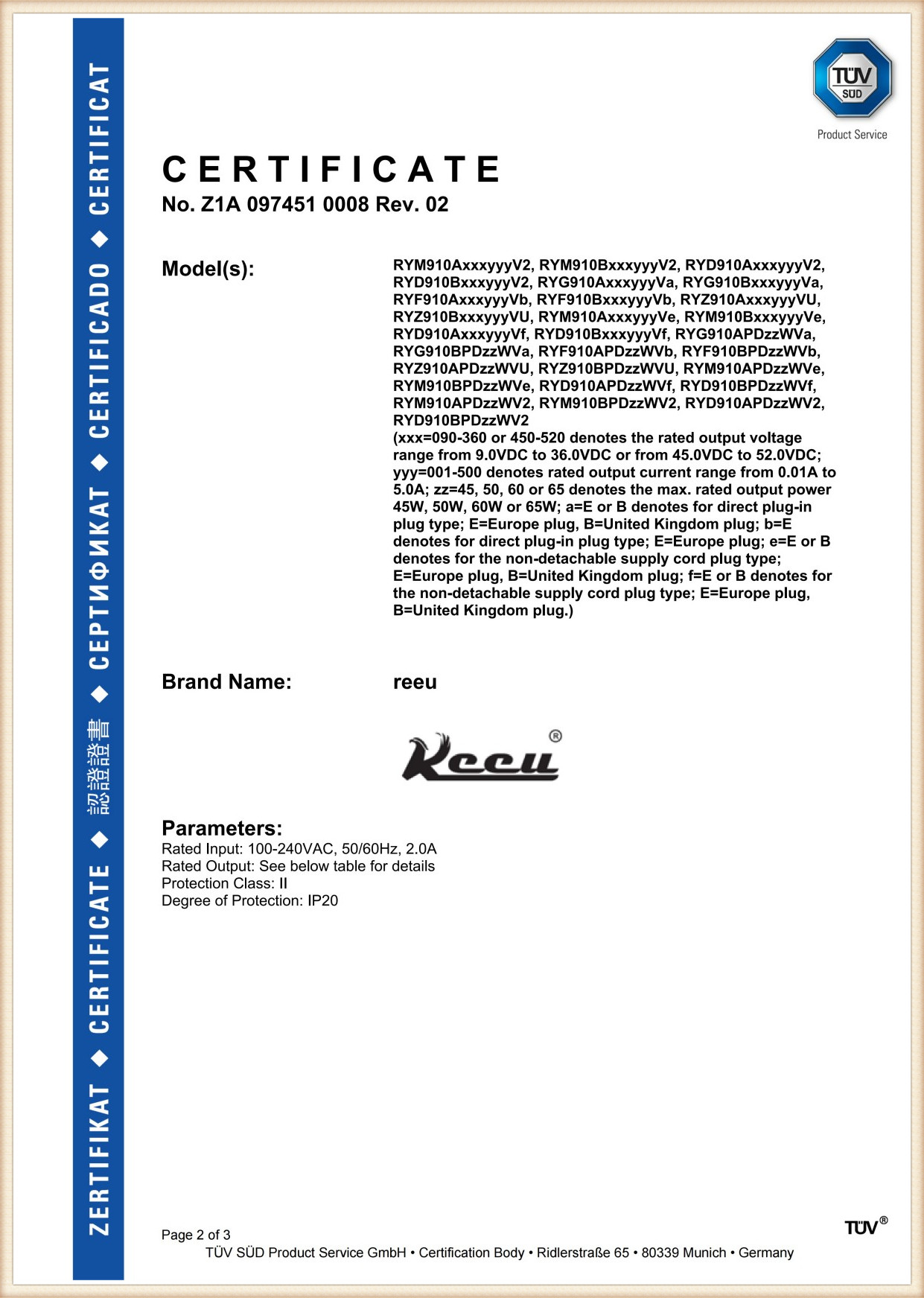
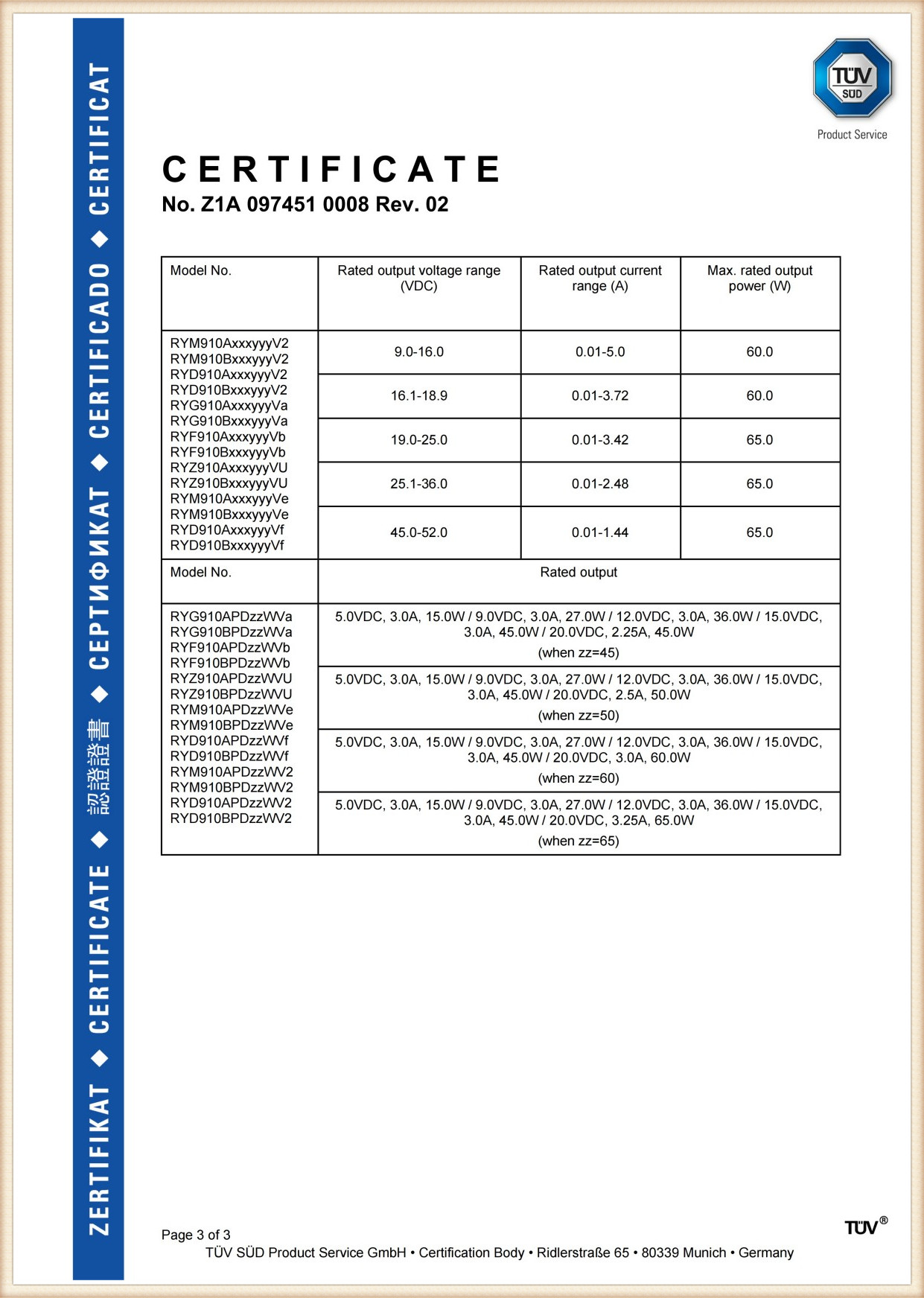
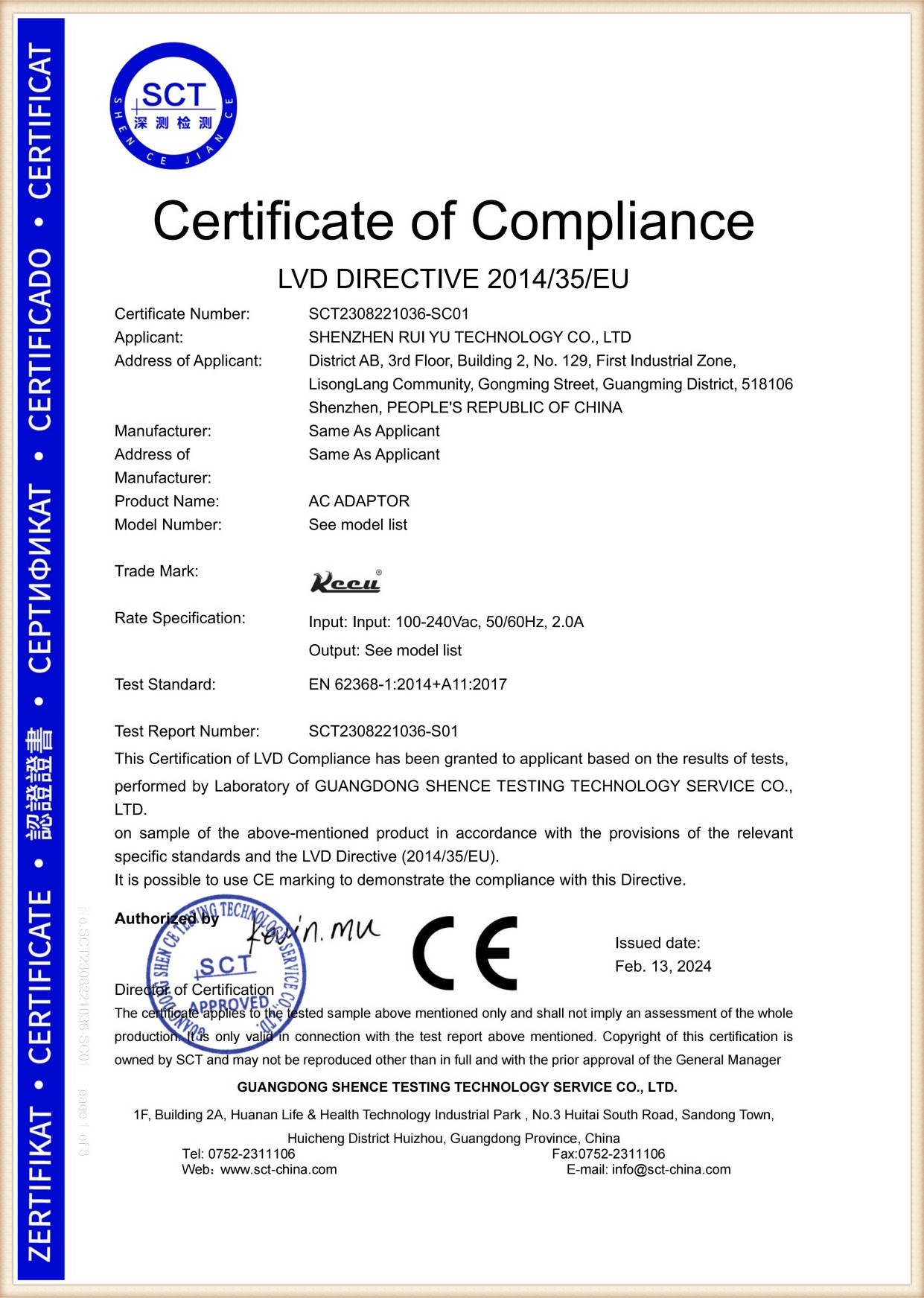
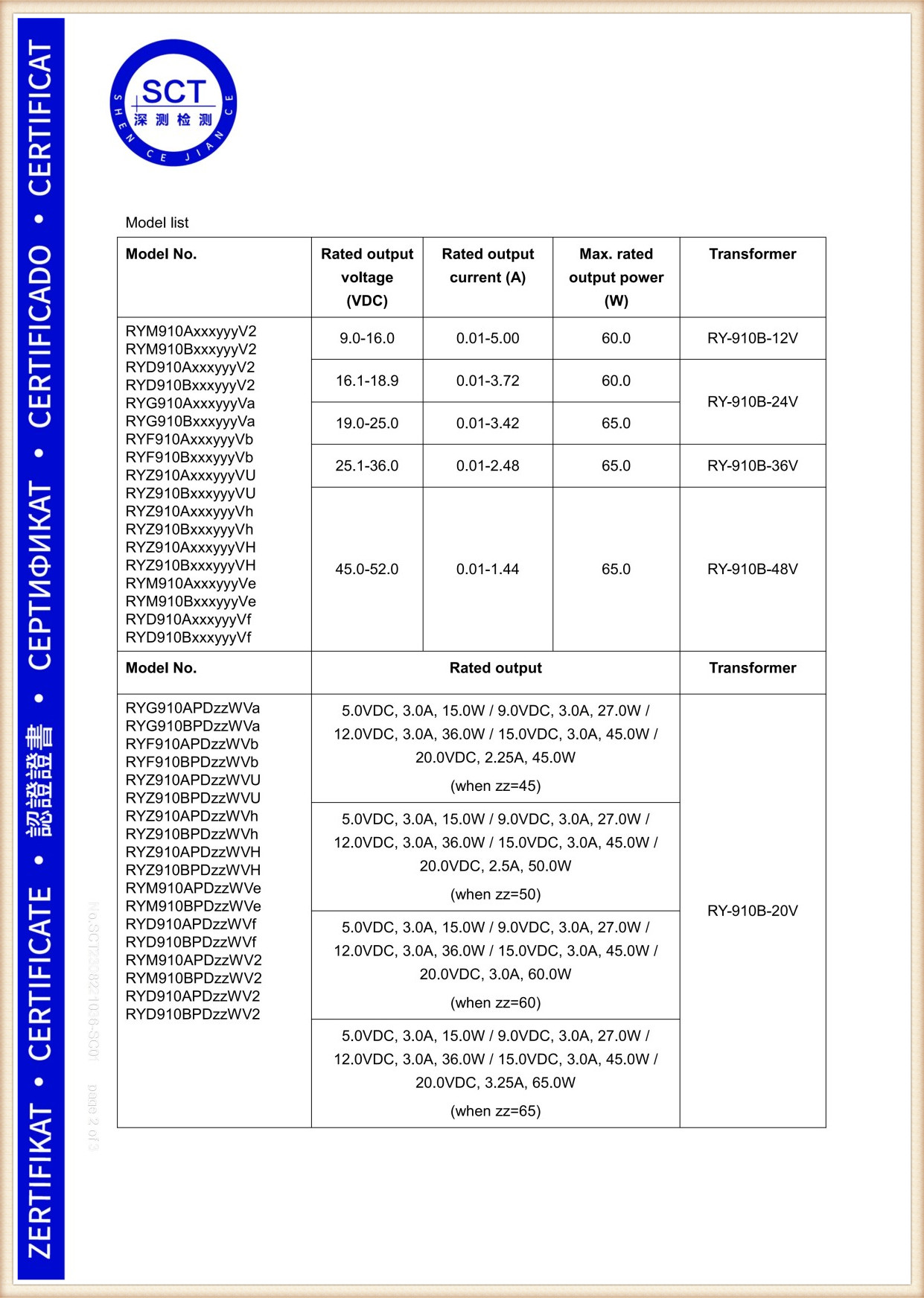
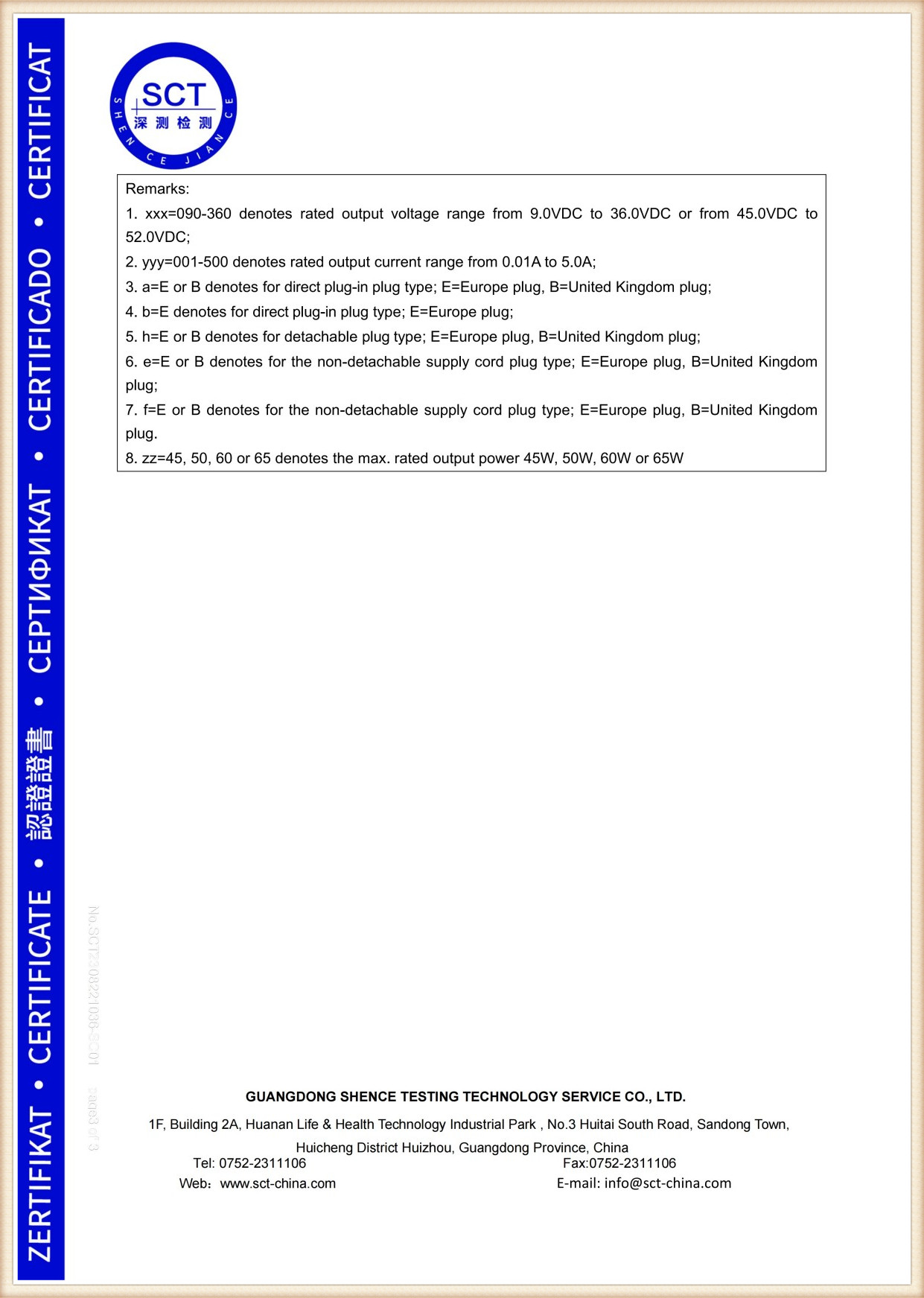
Engineered for extreme reliability, meeting comprehensive international safety regulations including UL, cUL, TUV, GS, CE, CCC, and SAA.
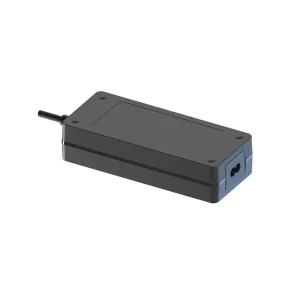
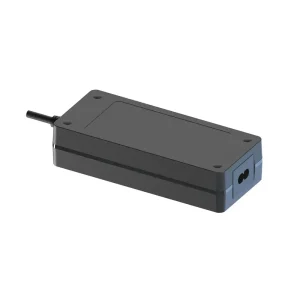
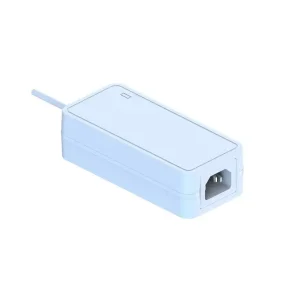
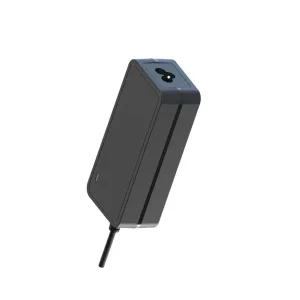
The global desktop switching power supply (SMPS) industry is undergoing a significant transformation driven by electrification, the smart-everything paradigm, and rigorous environmental regulations. Traditionally viewed as support equipment, the external power supply (EPS) has evolved into a vital component defining device stability, efficiency, and compliance. According to recent market analysis, industrial automation, telecommunications (especially 5G infrastructures), smart building systems, and advanced medical equipment are scaling up the demand for high-capacity desktop converters ranging from 18W up to 350W.
In mature markets like the USA and the European Union, requirements for low standby power consumption and high working efficiency are governed by strict frameworks. Prominent among these is the Department of Energy (DoE) Level VI in the United States and the Code of Conduct (CoC) Version 5 Tier 2 in Europe. These policies demand external power supplies operate with average active efficiency levels above 85%–89% (depending on voltage output class) and draw less than 0.075W or 0.15W under no-load conditions. Manufacturers must design circuits with advanced active power factor correction (PFC) and burst-mode control ICs to survive this hyper-competitive landscape.
Concurrently, the diversification of global logistics and supply chains has accelerated the need for universal AC voltage input capability (typically spanning 90V to 264V AC, 47Hz to 63Hz). A singular, globally compliant desktop adapter design allows multinational OEMs to ship products internationally without redesigning power architectures. Thus, local application scenarios in North America, Europe, Oceania (SAA), and Asia-Pacific require manufacturing lines with high configuration flexibility, ensuring customizable plug types, cable dimensions, and output connectors (such as standard DC jacks, USB-C Power Delivery, and multi-pin terminal blocks) are easily produced under identical base safety architectures.
Integrating wide-bandgap semiconductors permits desktop power supplies to achieve unprecedented power densities, drastically reducing case size while increasing overall efficiency to ≥92%.
Future iterations of industrial adapters will incorporate light telemetry over standard connectors to report temperature spikes, line failures, and real-time load diagnostics to host machines.
Employing LLC resonant half-bridge converters minimizes switching losses via Zero Voltage Switching (ZVS) and Zero Current Switching (ZCS), delivering ripple-free output for sensitive devices.
As standard silicon switches approach their physical limits, the industry is witnessing a structural shift in technological blueprints. Modern desktop power designs focus heavily on thermal management and EMI suppression. Without proper system-level engineering, higher switching frequencies cause elevated electromagnetic interference, which requires larger filter stages and increases manufacturing costs. The introduction of planar transformers has resolved many space limitations by replacing bulky wire-wound components with multi-layer printed circuit board (PCB) windings, improving consistency and reducing leakage inductance.
Safety regulation frameworks are also transitioning. The older safety standard IEC/EN/UL 60950-1 for information technology equipment has been comprehensively replaced by the hazard-based safety engineering standard IEC/EN/UL 62368-1. This shifts safety evaluations toward assessing energy sources and ensuring appropriate safeguards are in place. An experienced manufacturer must adapt its material sourcing—ranging from flame-retardant PC/ABS plastic housings to double-insulated cables—to comply with this modern standard. These standards prevent fire hazards, electrical shock, and mechanical instability in diverse global deployment conditions.
Factory Location: No.129 of the first industrial zone, Lisonglang Community, Gongming Town, Guangming New District, Shenzhen, Guangdong, China.
Established in August 2010, Shenzhen FuYun (RUIYU) Technology Co., LTD. has established itself as an authoritative leader in the R&D, production, sales, and post-purchase servicing of industrial and consumer power adapters, high-efficiency chargers, and advanced high-pressure core parts for hair styling and grooming devices.
With an extensive manufacturing footprint spanning a 50,000 m² state-of-the-art facility, our factory houses over 800 skilled workers and is managed by a specialized cohort of 30+ senior administrative and research leads. Our production capabilities boast 48 highly automated production lines, securing a daily production ceiling of 100,000 units. Through these massive scales, we meet the volume requirements of major international distributors while maintaining premium build consistency.
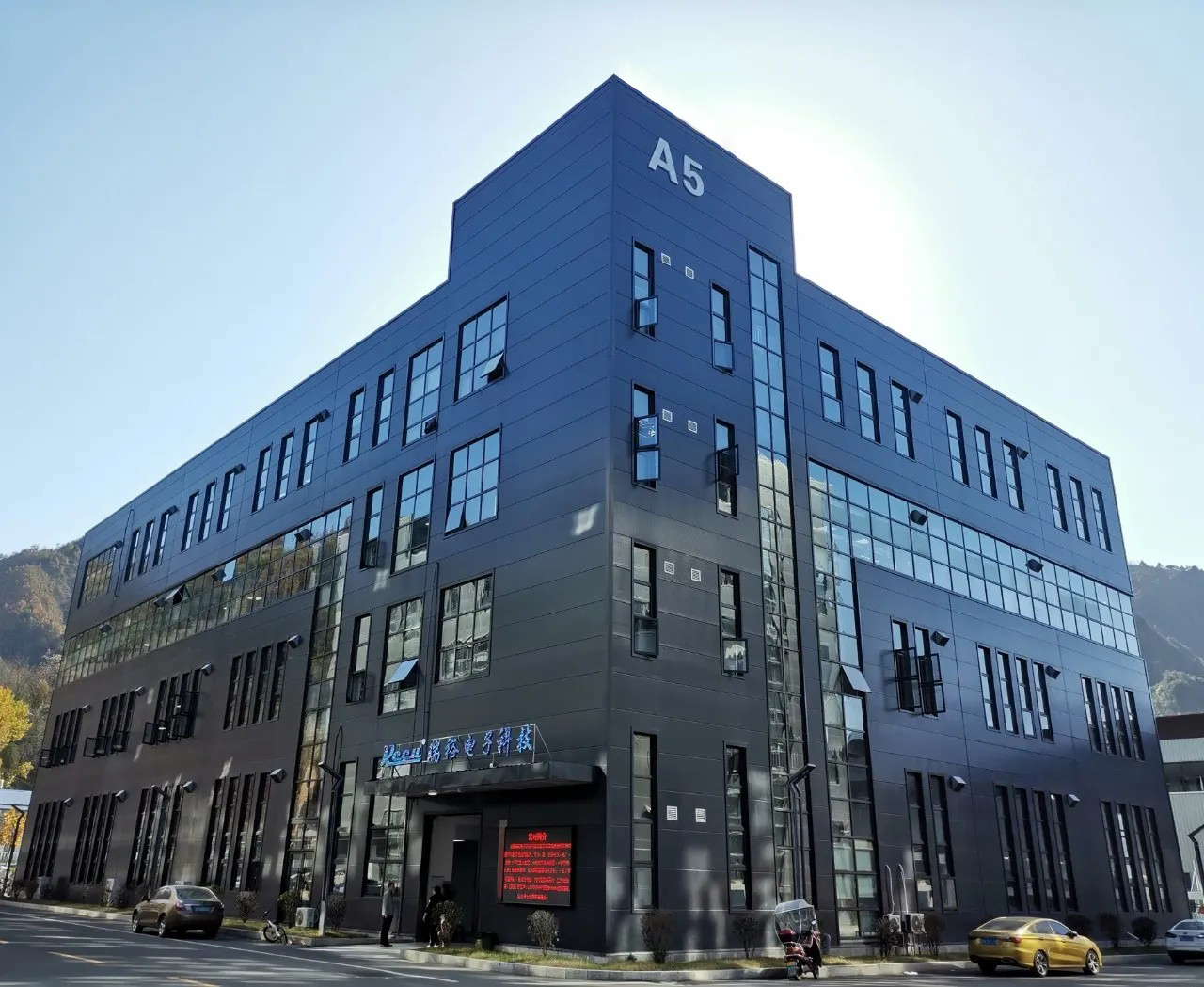
RUIYU Technology is equipped with modernized automatic insertion machinery, lead-free wave soldering lines, visual AOI inspection systems, and custom dynamic burn-in rooms. To guarantee that every single external power supply meets the safety metrics required by international OEMs, we maintain a dedicated department of 30 QA/QC inspectors checking inputs, intermediate assemblies, and finished packages.
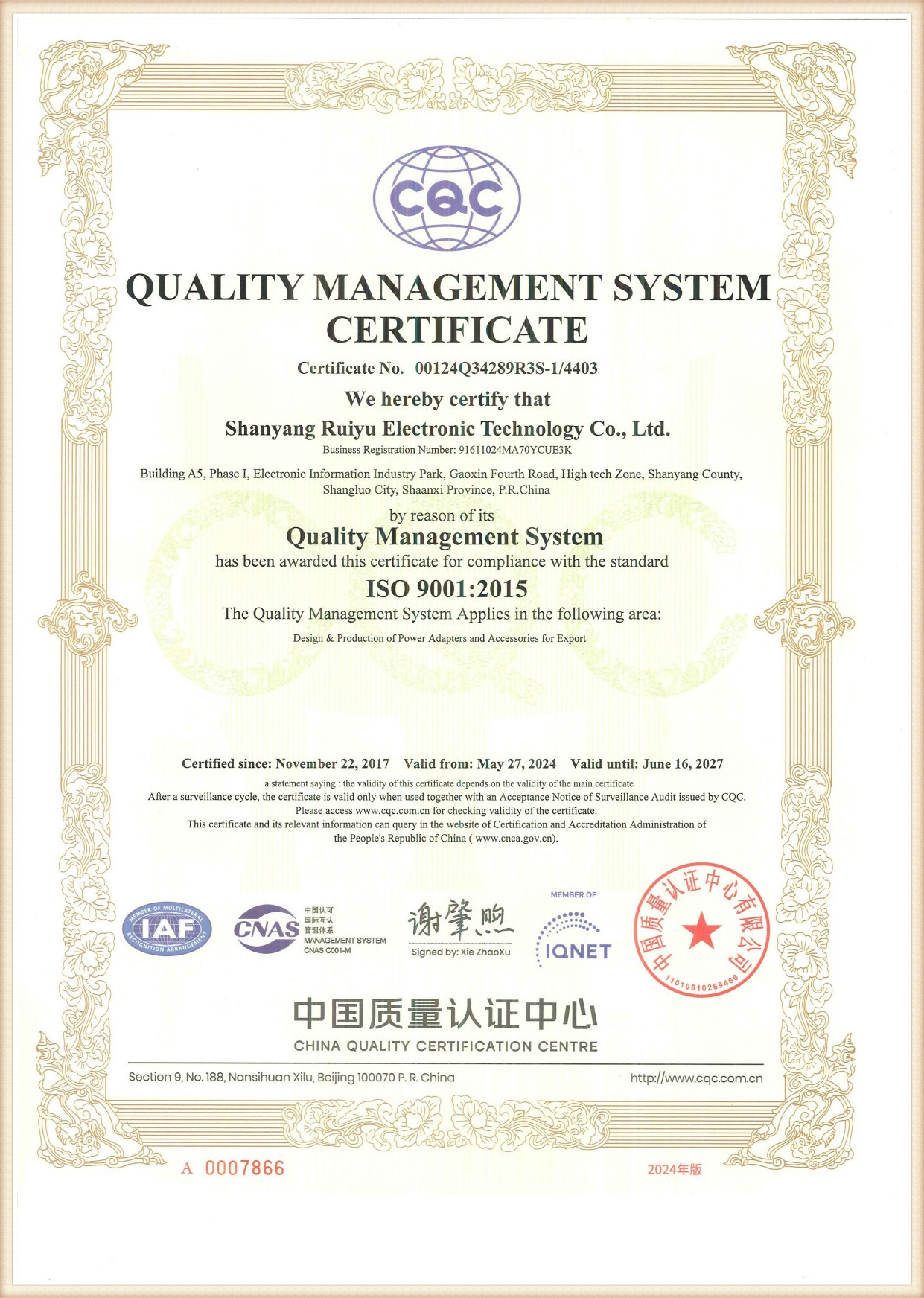
Our standard manufacturing turnaround is highly optimized. We promise a lead time of just 15 to 20 days after receipt of a confirmed order (and as low as 15 days for repeat purchase orders). By operating closely under ISO9001 structures and strict Standard Operating Procedures (SOPs), we verify that each component from the EMI filters to the secondary rectifier rectifying bridge operates well within their thermal ratings.
"High quality standards and rapid service construct the foundation of our win-win business relationships."
To cultivate robust, long-term partnerships with distributors, system integrators, and product manufacturers worldwide, Shenzhen FuYun (RUIYU) Technology enforces a comprehensive service guarantee system:
Desktop power adapters act as the primary energy pathway for numerous technical installations. Below are the macro-industry solutions where our desktop switching power supplies are deployed:
Security nodes operate 24/7/365 under variable thermal loads. Standard wall adapters often fail under sustained peak loads. Our specialized 12V and 24V desktop switching power supplies offer high reliability, complete over-temperature protection, and integrated surge protection, making them ideal for high-capacity IP cameras, NVRs, and active motion sensor grids.
Data traffic requires stable power. Network switches, fiber modems, and signal routers rely on power adapters to prevent packet drops and device resets. Outfitted with specialized C6, C8, and C14 input connectors, our power supplies isolate internal switching noise, preventing EMI leakage into data signals.
Commercial POS terminals, barcode label printers, and digital kiosks operate in high-traffic retail spaces. These environments require highly resilient power units that can handle fluctuating grid voltages (90V–264V) and constant mechanical cycling. Our EU-pin and US-plug models are widely used in retail deployments globally.
Personal care systems and medical devices require high-pressure core parts and strict leakage current controls. Shenzhen FuYun (RUIYU) manufactures power supplies with specialized safety parameters, providing reliable protection against voltage spikes and electric shock.
Essential insights for procurement directors, product engineers, and international distributors.
Q1: What are the main differences between C6, C8, and C14 AC inlet connectors on desktop power supplies?
A1: These connectors differ in polarization, grounding, and current rating. The C8 connector is a 2-pin non-polarized inlet (Class II double-insulated, without ground). The C6 (often called "cloverleaf") and C14 (standard computer type) are 3-pin grounded inlets (Class I insulation). The C14 is rated for higher currents and provides reliable grounding for systems requiring low leakage currents, while C6 is more compact for low-to-medium power configurations.
Q2: How does a desktop switching power supply achieve energy efficiencies of ≥85%?
A2: High efficiency is achieved through modern circuit designs. This includes the use of low RDS(on) MOSFET switches, active power factor correction (PFC) stages, and synchronous rectification instead of passive Schottky diodes on the output side. These configurations reduce switching and conduction losses, allowing the adapter to meet international DoE Level VI and CoC Tier 2 regulations.
Q3: Why is the transition to safety standard IEC/EN/UL 62368-1 important for overseas markets?
A3: IEC/EN/UL 62368-1 is a hazard-based safety standard that replaced the older 60950-1 and 60065 standards. It classifies energy sources and defines the safeguards required for different user types. If you export products to the USA, EU, or Australia, customs and local regulators require your external adapters to carry active 62368-1 certification marks to prevent import issues.
Q4: Can RUIYU customize the cable length, output connector, and shell styling for OEM projects?
A4: Yes, we provide full OEM and ODM services. We can customize DC cables (such as UL2468, UL1185, or round cables), output connectors (5.5*2.1mm, 5.5*2.5mm, USB Type-C, or custom terminals), housing logos, and colorways (black or white) to match your product's requirements.
Q5: What quality control processes are implemented before product shipping?
A5: We follow strict ISO9001 guidelines and SOPs. Our QA/QC inspectors run each adapter through 100% automated test equipment (ATE) cycles. This includes leakage current testing, insulation dielectric tests, transient response tests, and a 4-hour full-load burn-in run to eliminate early component failures before packaging.
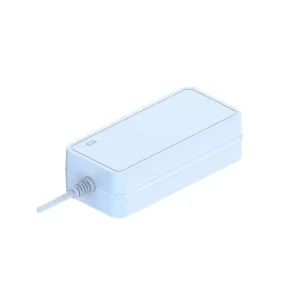
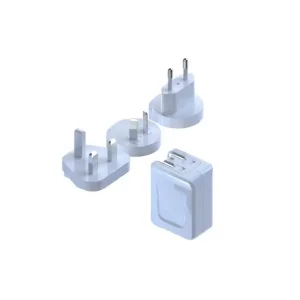
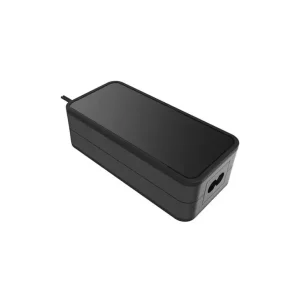
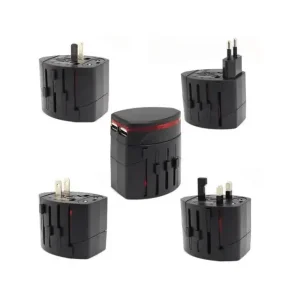
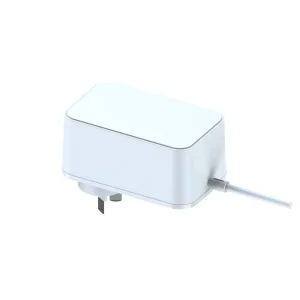
Explore our range of wall-mount and high-wattage desktop power solutions, engineered to deliver stable DC voltage under continuous operational loads.
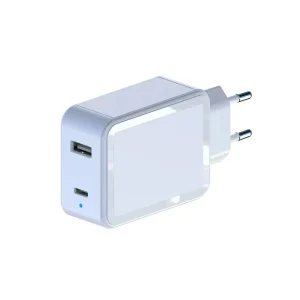
 Tech Adapter