Engineered to withstand rigorous transient environments. Our certified components guarantee optimal electrical safety and rapid power conversion across marine, commercial, and personal fleet applications.
Understating in-vehicle topology: How next-generation buck-boost converters and gallium nitride switch topologies redefine automotive thermal budgets.
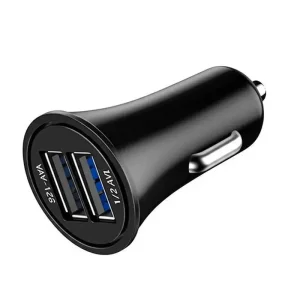
Modern Dual USB-C car chargers leverage dynamic IC controllers to sense device demands, instantly negotiating between single-port 100W PD 3.1 profiles and dual-port balanced loads (such as 65W + 35W) without power cycle interruptions.
By transitioning from classic silicon MOSFETs to High-Electron-Mobility Gallium Nitride (GaN) transistors, our factory shrinks charger footprints by 40% while driving efficiency up to 95%, keeping thermals in tight spaces below 55°C.
Advanced integrated circuits actively protect downstream hardware from automotive voltage dumps. Incorporating transient voltage suppressors (TVS), overtemperature hysteresis shut-down, and galvanic current limiters.
The global demand for high-efficiency automotive power distribution is surging. Traditionally, simple linear regulators or basic buck converters were sufficient to drive low-wattage USB-A structures. However, today’s mobile workforce requires charging profiles capable of powering ultrabooks, tablets, and flagship smartphones simultaneously. Achieving this within standard 12V (passenger car) and 24V (commercial vehicle) architectures introduces complex electrical engineering problems.
A true enterprise-grade Dual USB C Car Charger must feature synchronous rectification buck-boost controllers. This topology ensures that regardless of vehicle battery fluctuations—whether cranking, idling, or subject to load-dump transients—the output voltage profile remains clean, showing minimal ripple voltage (typically less than 80mV p-p at maximum load). RUIYU’s design engineers tackle this by integrating intelligent sensing ICs capable of PPS (Programmable Power Supply) negotiations, adjusting output voltages in precise 20mV increments to match the load's instantaneous battery impedance.
Advanced automation, rigorous reliability infrastructure, and massive manufacturing throughput at our Shenzhen headquarters.
Established in August 2010, Shenzhen FuYun (RUIYU) Technology Co., LTD. is a vertically integrated enterprise combining advanced R&D, automated production, domestic and global sales of power adapters, chargers, hairdressing instrument high-pressure core parts, and responsive after-sales service.
Located at No.129 of the first industrial zone, Lisonglang Community, Gongming Town, Guangming New District, Shenzhen, Guangdong, China, we operate at the heart of the global electronics ecosystem. Our facilities host state-of-the-art automatic SMT assembly plants, wave soldering tunnels, and high-density aging chambers.

Tailored power distribution configurations engineered for enterprise deployments, transportation networks, and OEM/ODM retail brands.
Designed to sustain continuous operation in harsh environment conditions. Dynamic overcurrent lockouts protect fragile onboard telemetry devices while guaranteeing rapid charging cycles for driver handsets.
Unlock custom aesthetics. Our injection-molded casings, aluminum alloy bezels, and laser-etched branding processes are coupled with full regulatory safety certifications to facilitate immediate global product launches.
Direct integration models designed for vehicle dashboard panel consoles and seatback mounting plates. Fully optimized for high electromagnetic compatibility (EMC) to mitigate dashboard instrumentation noise.
To ensure all output adaptions maintain absolute stability in stressful applications, we employ a dedicated quality assurance framework led by 30 QA/QC staff checking components through every assembly stage.
No adapter leaves the factory untested. Every charger passes a full-load burn-in cycle, ensuring thermal tolerance and electronic component integrity before final packaging.
Our standard manufacturing lead time is 15 to 20 days following official order placement. We leverage Shenzhen's unparalleled deep-water port proximity to guarantee dynamic global shipping options.
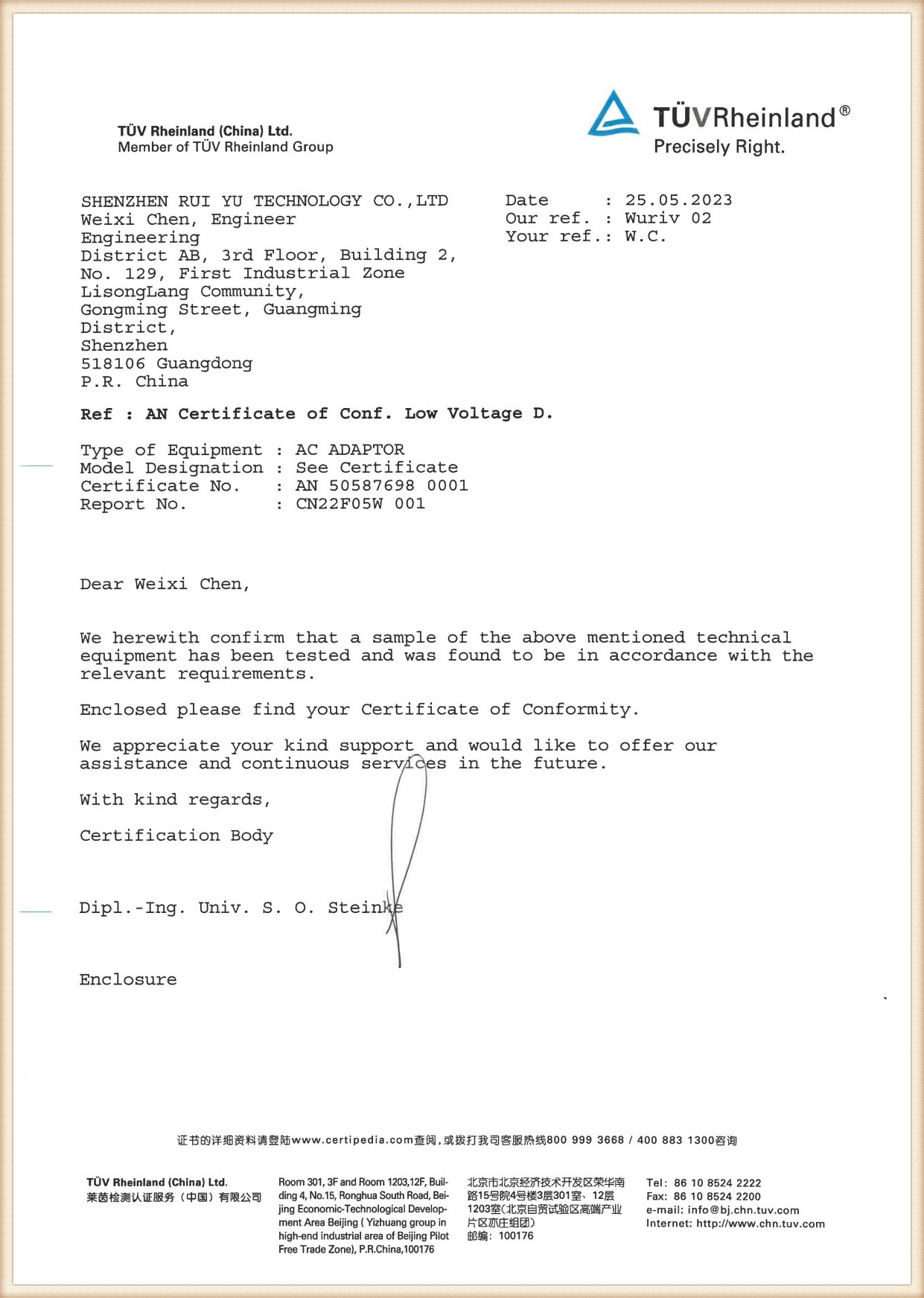
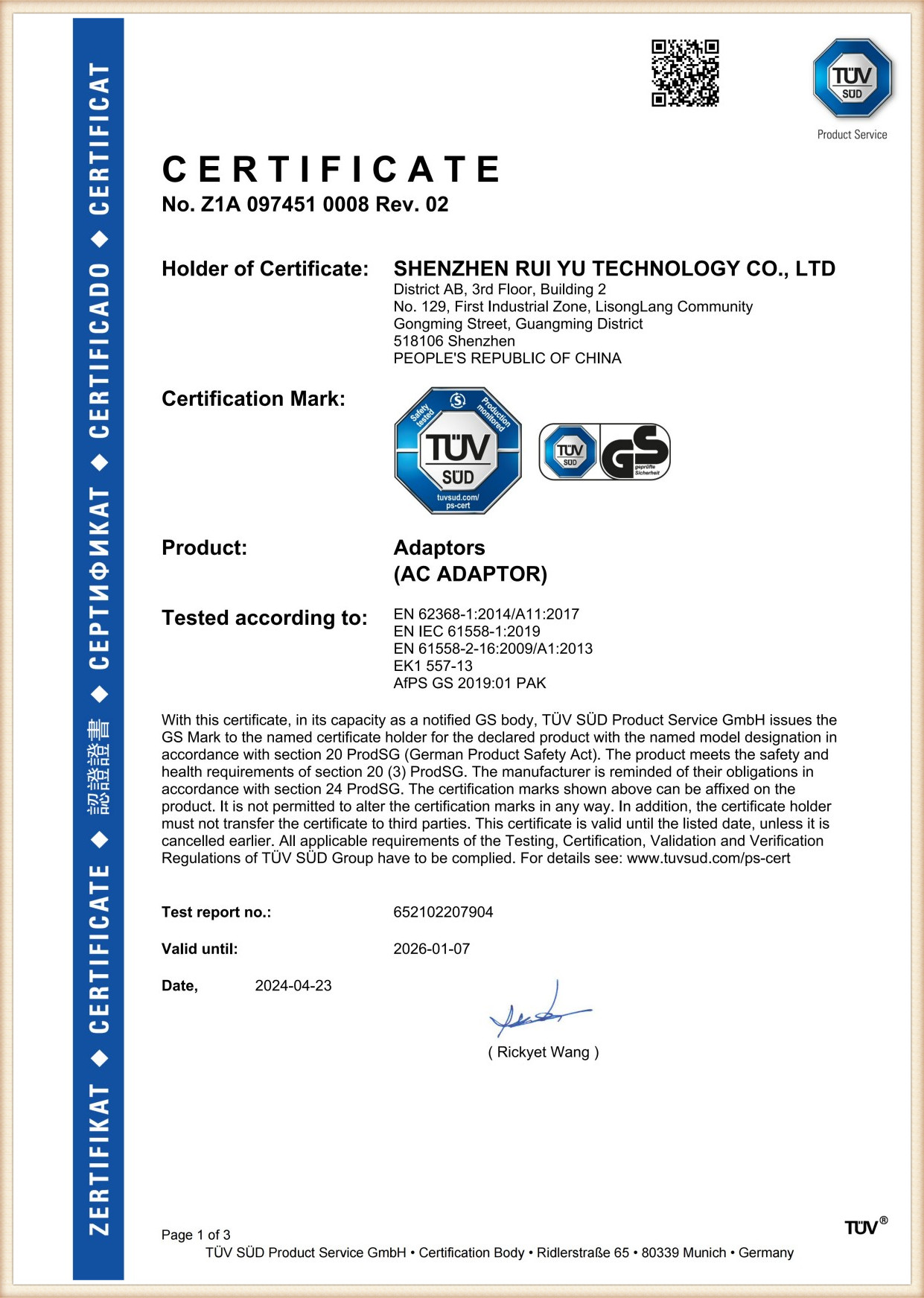
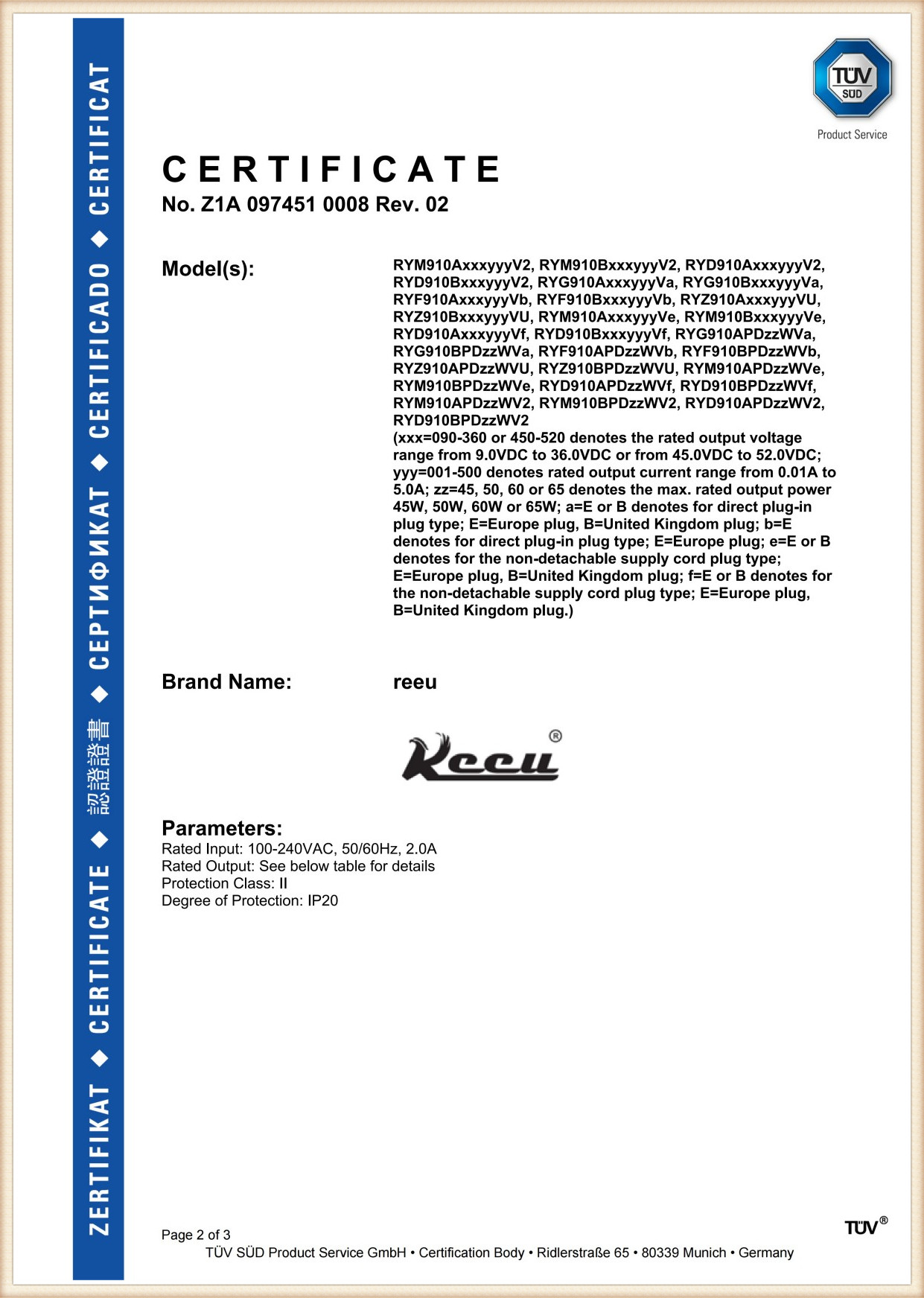
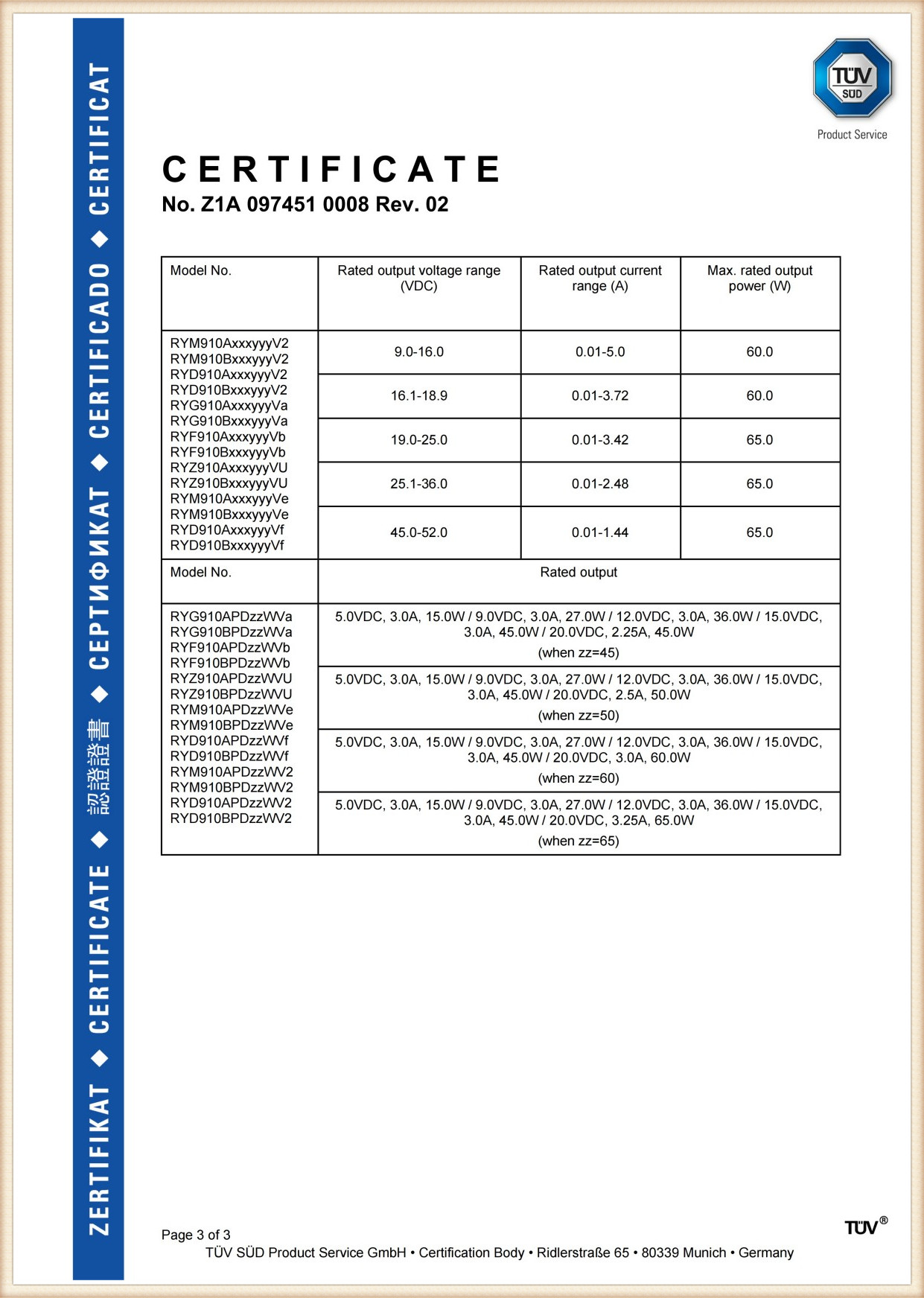
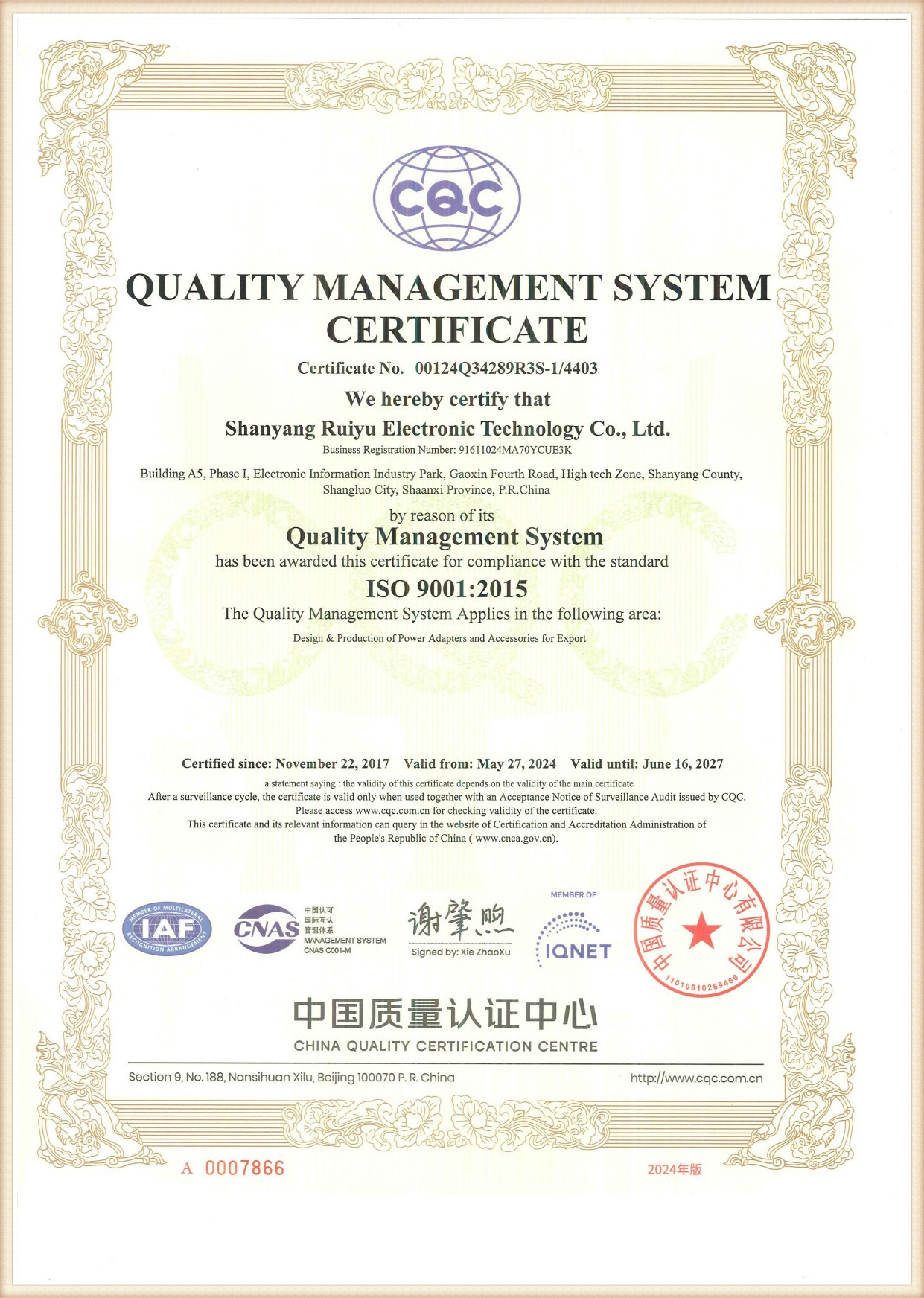
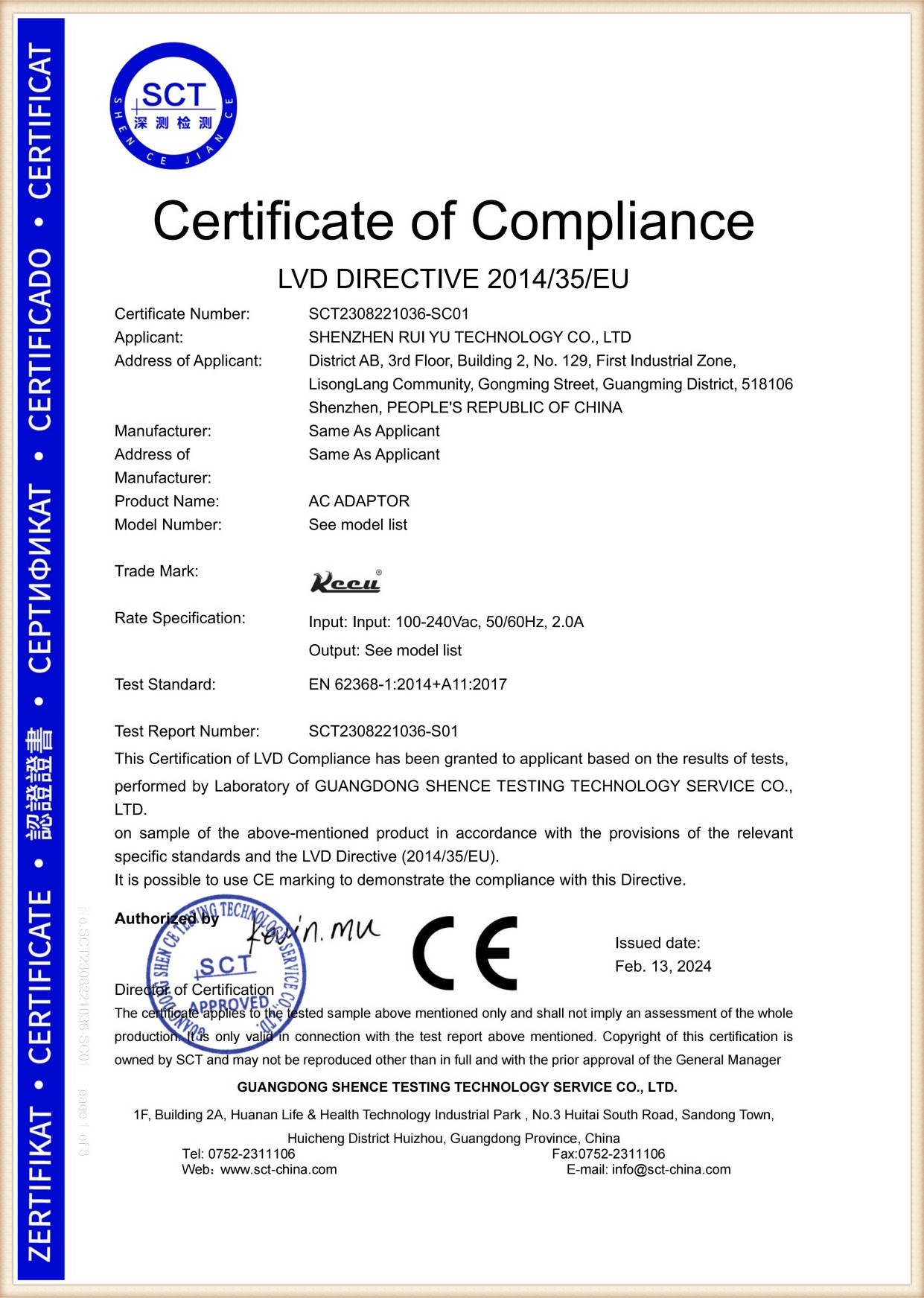
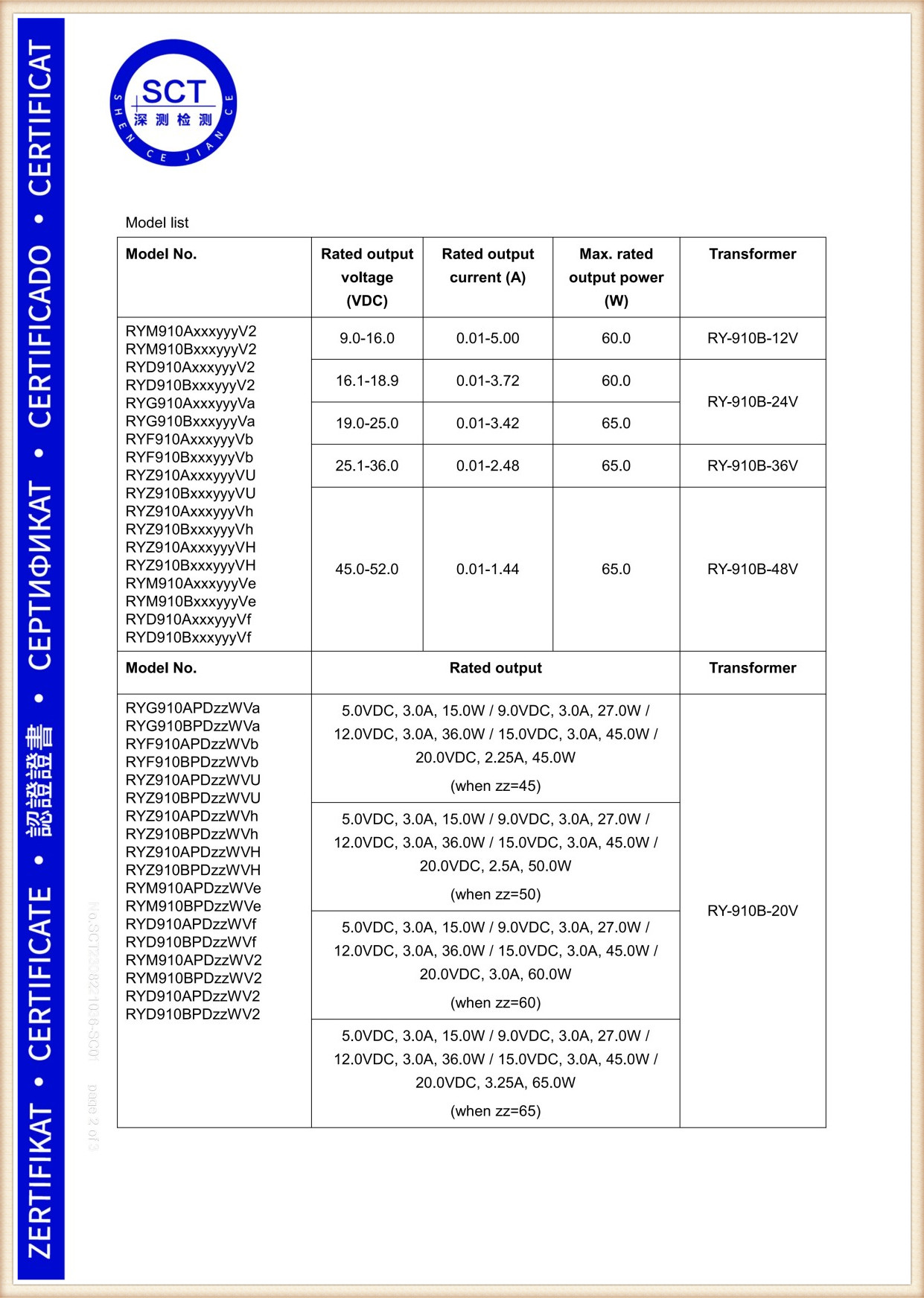
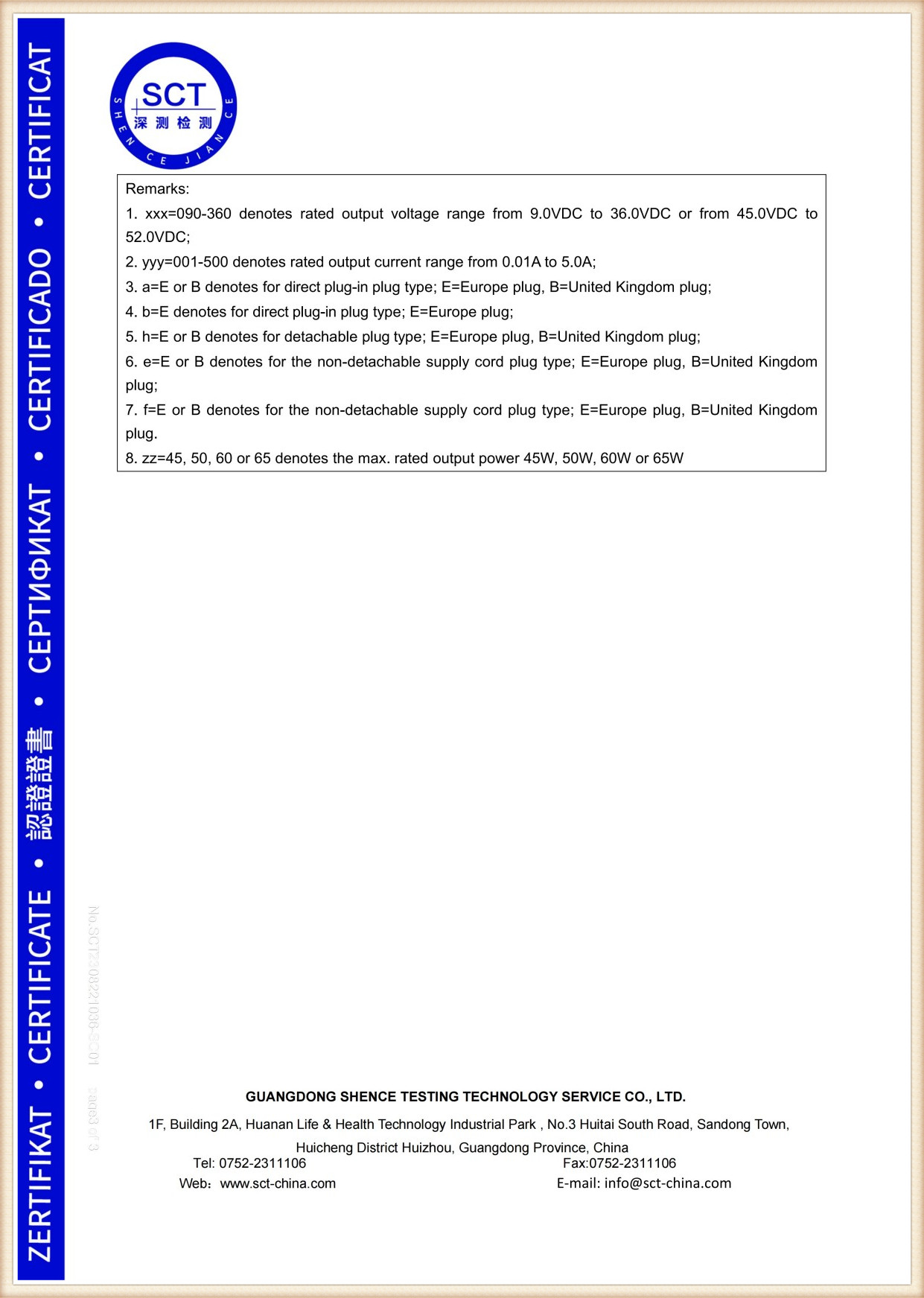
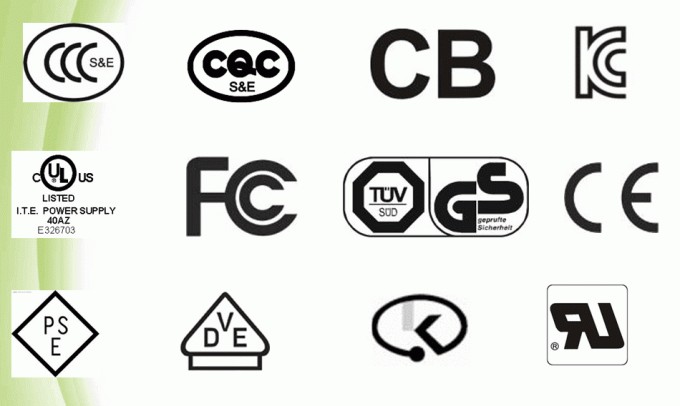
Operating a global brand means complying with regional electromagnetic compatibility (EMC) guidelines. Over the last decade, we have established absolute compliance footprints to facilitate direct imports into primary international markets.
Our OEM / ODM packages are tailored for importers, bulk buyers, and procurement specialists. To support integration testing and verification cycles, we provide:
Answers to crucial structural, regulatory, and mechanical questions about integrating Dual USB-C chargers in commercial pipelines.
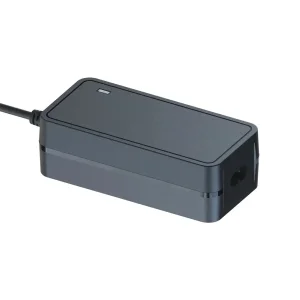
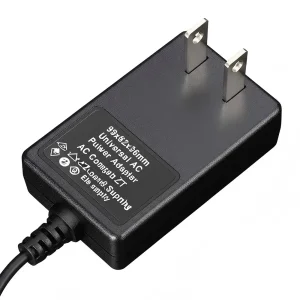
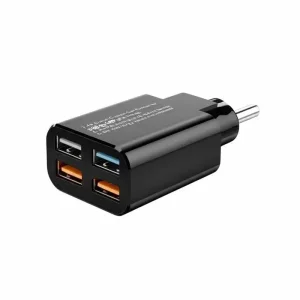
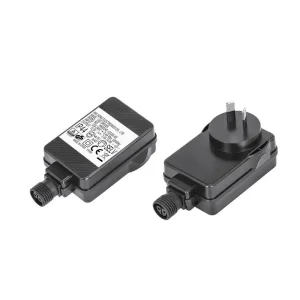
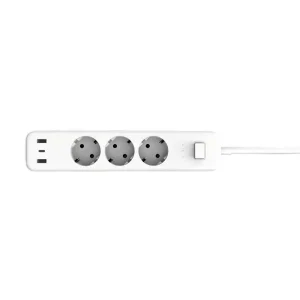
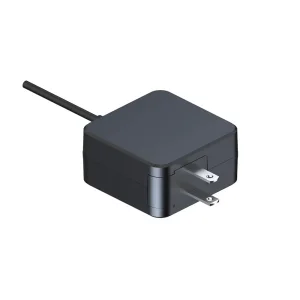
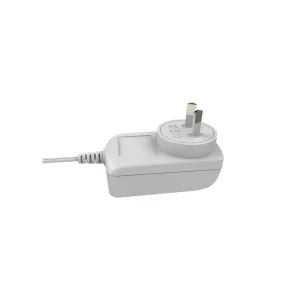
Broaden your inventory with global certified desktop adapters, high-efficiency travel kits, smart power strips, and specialized automotive charging modules.
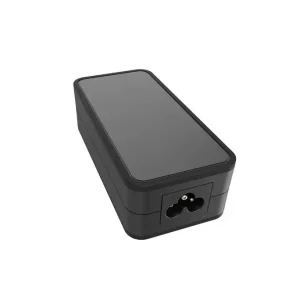
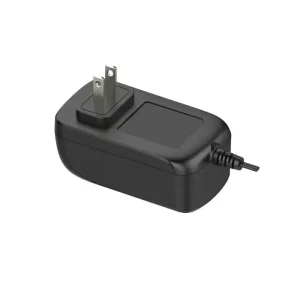
 Tech Adapter