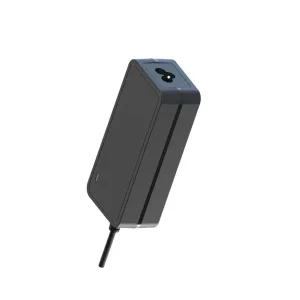
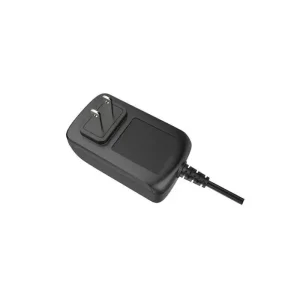
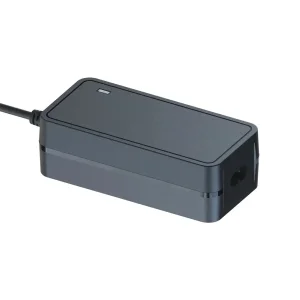
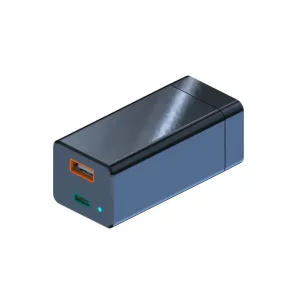
Explore our certified catalog of high-efficiency wall mount, desktop, and open-frame conversion modules designed for modern industrial systems.
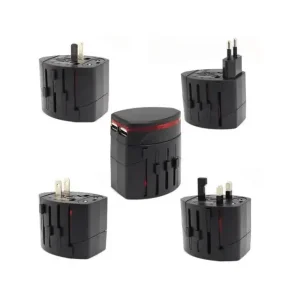
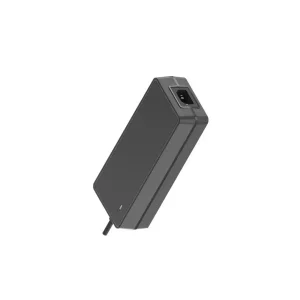
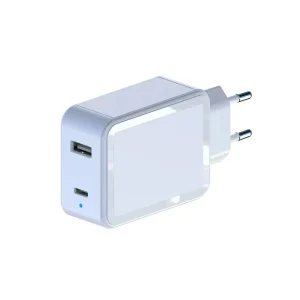
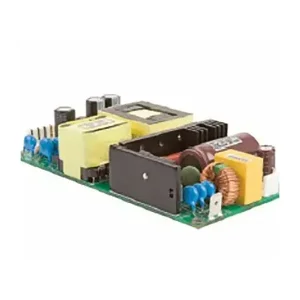
Why galvanic isolation is the foundational pillar for system safety, noise immunity, and reliable ground-loop mitigation in high-performance electronics.
In modern industrial automation, telecommunications, medical instrumentation, and electric vehicle (EV) ecosystems, power integrity is paramount. High-frequency transients, ground potential differences, and electrical noise pose constant threats to sensitive control units like microcontrollers, ADCs, and digital signal processors. Isolated DC-DC converters solve this vulnerability by establishing physical separation—galvanic isolation—between the input supply and output load circuitries.
By leveraging integrated high-frequency transformer configurations, magnetic coupling, and optoelectronic feedback circuits, isolated topologies break ground loops and prevent high fault voltages from migrating to secondary control layers. This isolation barrier is designed to withstand voltages ranging from 1,500 VDC to well over 6,000 VDC depending on application demands (e.g., patient-protection medical standards versus rugged industrial automation environments).
Whether you are designing distributed power architectures for telecommunication base stations, railway signaling equipment, or industrial control networks, partnering with a veteran manufacturer ensures your converters deliver optimized power density, robust thermal management, and strict compliance with global safety standards.
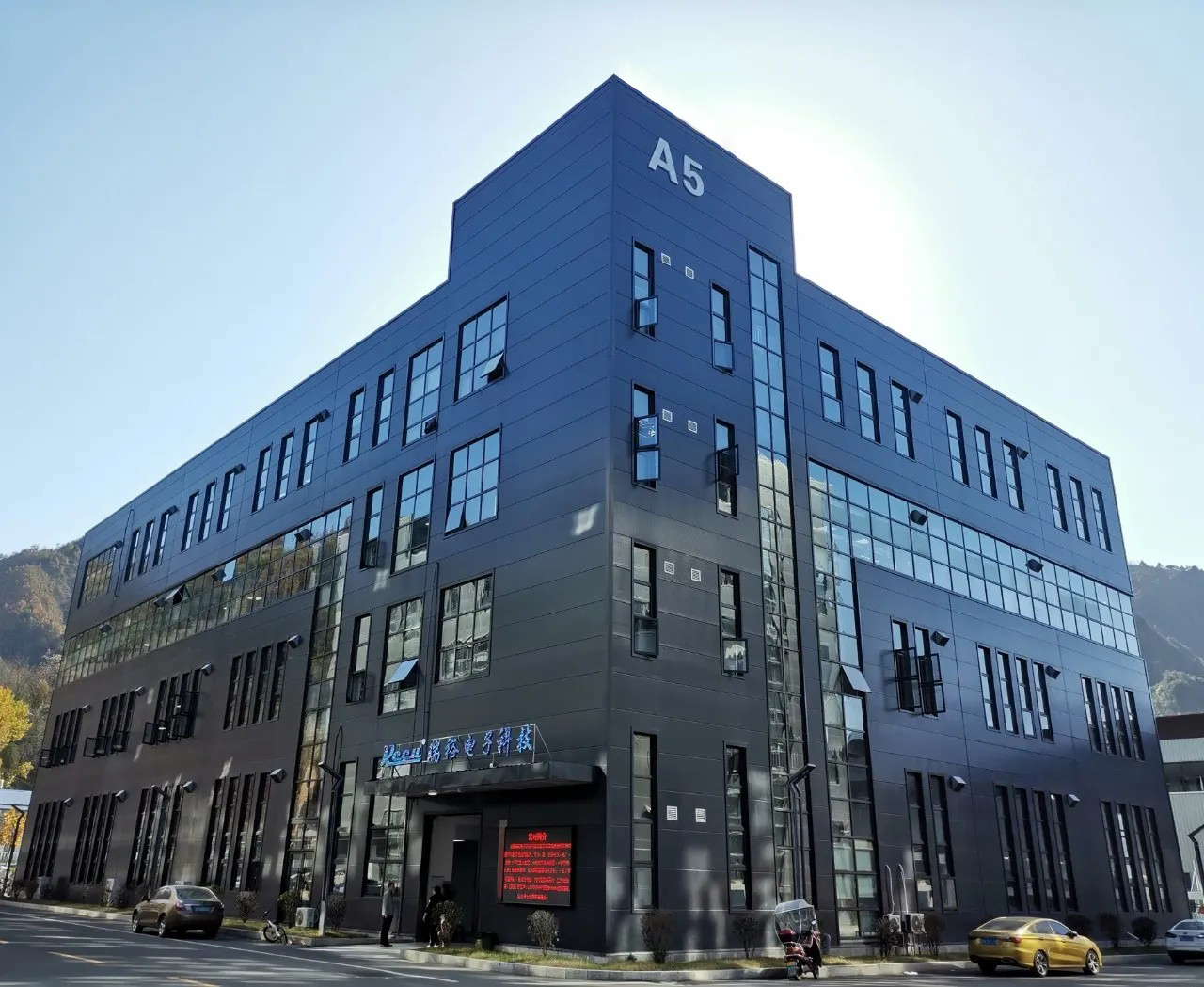
A premier engineering and high-volume manufacturing center located in China's Silicon Valley.
Established in August 2010, Shenzhen FuYun (RUIYU) Technology Co., LTD. is located at No. 129 of the first industrial zone, Lisonglang Community, Gongming Town, Guangming New District, Shenzhen, Guangdong, China. We have grown to become an integrated enterprise specializing in the research, development, production, and sales of high-reliability power adapters, chargers, hair beauty instrument high-pressure core parts, and customized power supplies.
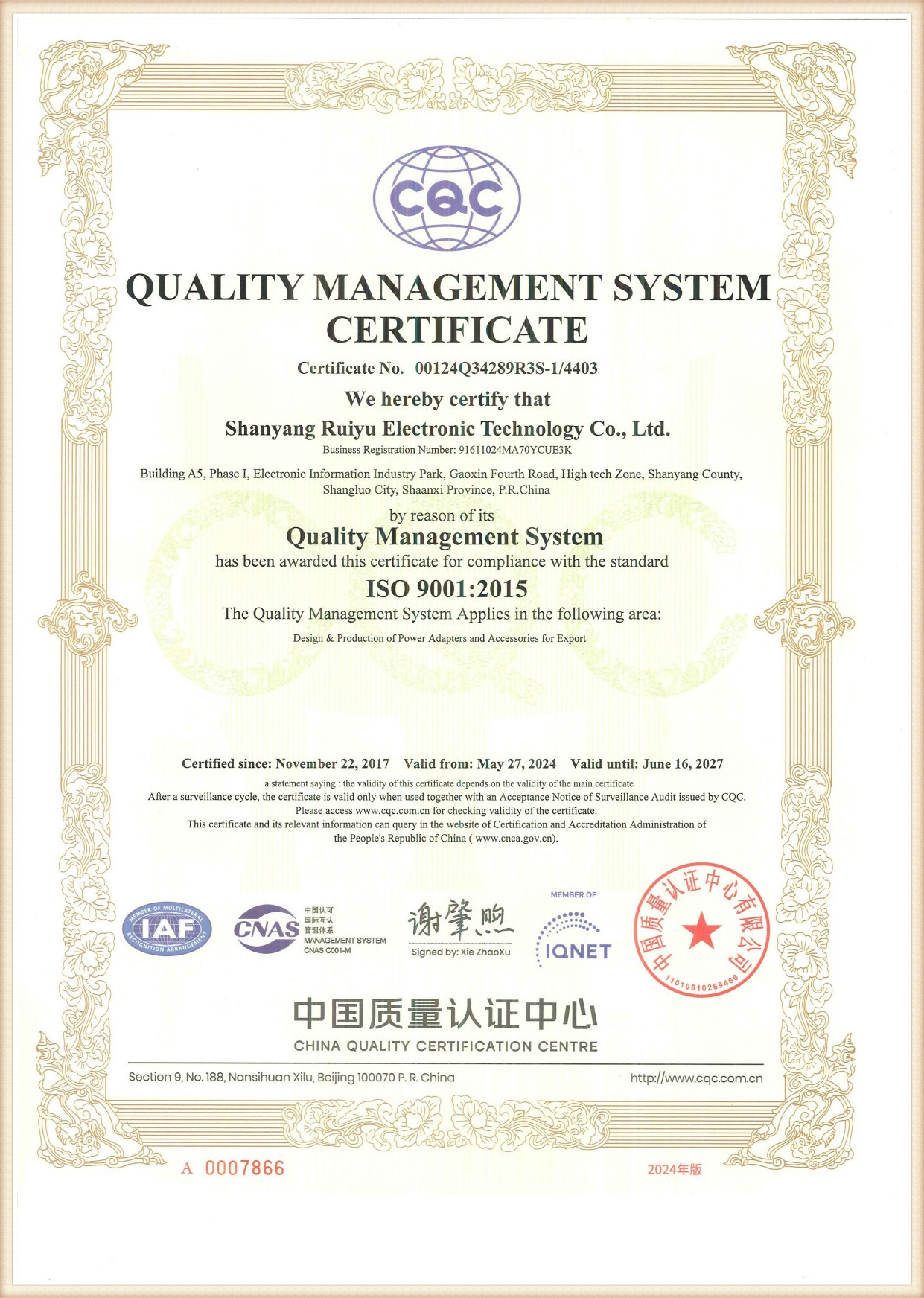
Over the past decade, we have consolidated our position in key markets, capturing a 60% market share in the United States and the European Union, while expanding rapidly in mainland China, Japan, and South Korea. Our operations are governed by ISO 9001 quality management guidelines, ensuring that our products adhere strictly to safety, efficiency, and environmental specifications.
Understanding how isolated power architectures adapt to diverse environment requirements across industries.
Patient-connected systems require strict dielectric barrier ratings to eliminate leakage current paths. Isolated DC-DC modules with high creepage distances provide the critical 2xMOPP (Means of Patient Protection) safety margins mandated by IEC 60601-1, shielding patients and operators from high voltage failures.
Automated manufacturing environments rely on clean signals for Programmable Logic Controllers (PLCs) and field sensors. High-voltage switching noise from localized heavy machinery can disrupt communications. Galvanc isolation of control networks breaks the conductive noise path, ensuring continuous operation.
Outdoor cellular base stations are highly vulnerable to lightning-induced surges and static discharges. Using high-efficiency isolated DC-DC converters prevents power anomalies at the main power distribution line from cascading to tender baseband processing units, minimizing downtime risks.
A deep dive into advanced materials, topology shifts, and optimization trends shaping the next generation of isolated power converter modules.
Traditional silicon-based components are approaching physical switching limits. The adoption of Gallium Nitride (GaN) and Silicon Carbide (SiC) switches enables isolated converters to operate at higher switching frequencies (above 1 MHz). This results in a massive reduction of passive components, leading to unparalleled power densities.
To reduce converter height for ultra-thin telecommunication and server boards, traditional wire-wound magnetic cores are being replaced with multi-layer printed circuit board (PCB) planar transformers. This technology offers highly repeatable parasitics, superior thermal dissipation, and ultra-flat profiles.
By implementing digital control algorithms paired with active clamp flyback and LLC resonant converter topologies, engineers can achieve zero-voltage switching (ZVS) across varying loads. This eliminates switching losses, pushing electrical conversion efficiency metrics past 94%.
Leveraging geographical clusters, vertical integration, and automation to maintain price competitiveness and consistent supply lines.
Shenzhen and the wider Pearl River Delta represent the world's most mature electronics manufacturing ecosystem. Our factory benefits directly from this geographic clustering. Raw materials, magnetic cores, passive components, semiconductors, and specialized testing facilities are located within a 50-kilometer radius. This logistical advantage drastically reduces procurement lead times, allowing us to respond to sudden demand swings with high adaptability.
Furthermore, RUIYU Technology's vertical integration strategy mitigates the risks of component shortages. By housing modern tooling workshops, SMT placement lines, high-frequency transformer winding units, and automated testing rigs under one roof, we eliminate third-party delays. Automated Optical Inspection (AOI), in-circuit testing (ICT), and dynamic burn-in chambers run continuously to guarantee that our daily output of over 100,000 units is achieved without compromising reliability standards.
This localized synergy translates directly to customer benefits: highly competitive pricing structures, short 15-day production lead times, and robust quality guarantees that western operations cannot replicate on the same scale.
How we address local engineering support requirements, certification audits, and regional market entry challenges.
Navigating layout constraints, thermal management issues, or electrical emissions profiles can be challenging. Our sales engineering team guarantees a detailed response to technical inquiries within 24 hours. We offer direct communication channels with our core design team to accelerate your design cycles.
To reduce your financial risk and verify design-to-application compatibility, we offer 2 to 5 pieces of free validation samples. Engineers can run thorough bench tests, in-system qualifications, and preliminary electromagnetic compliance evaluations prior to placing a volume order.
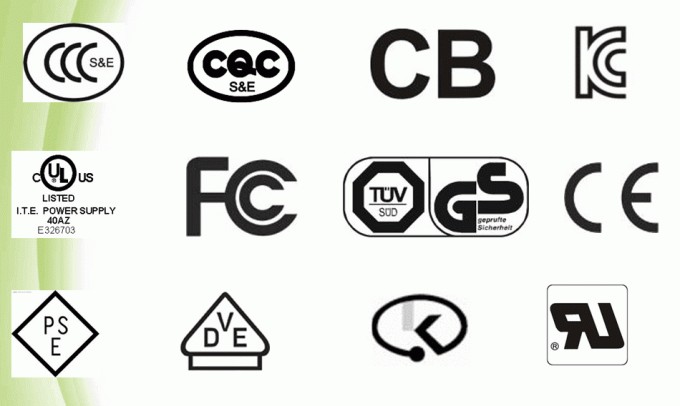
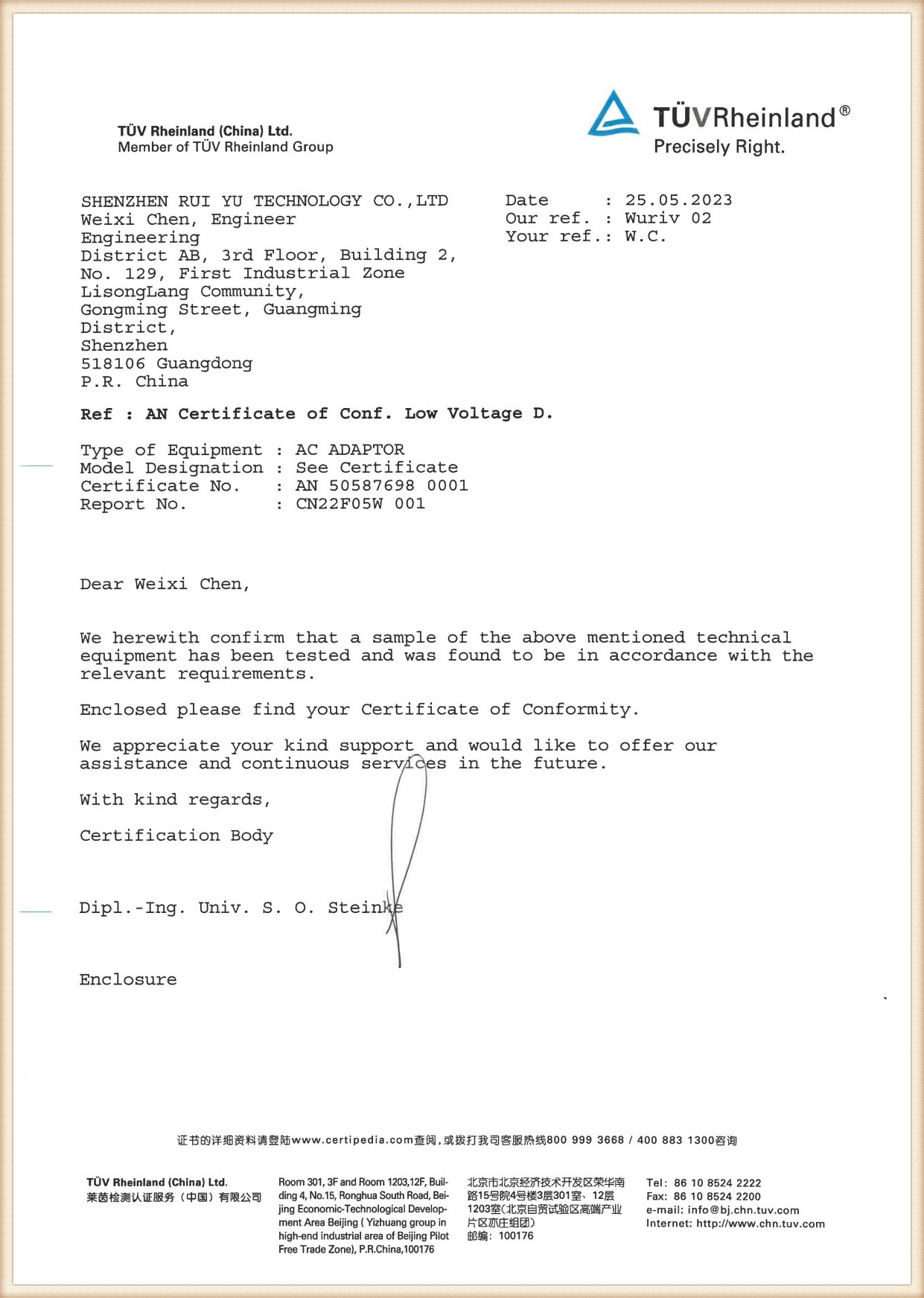
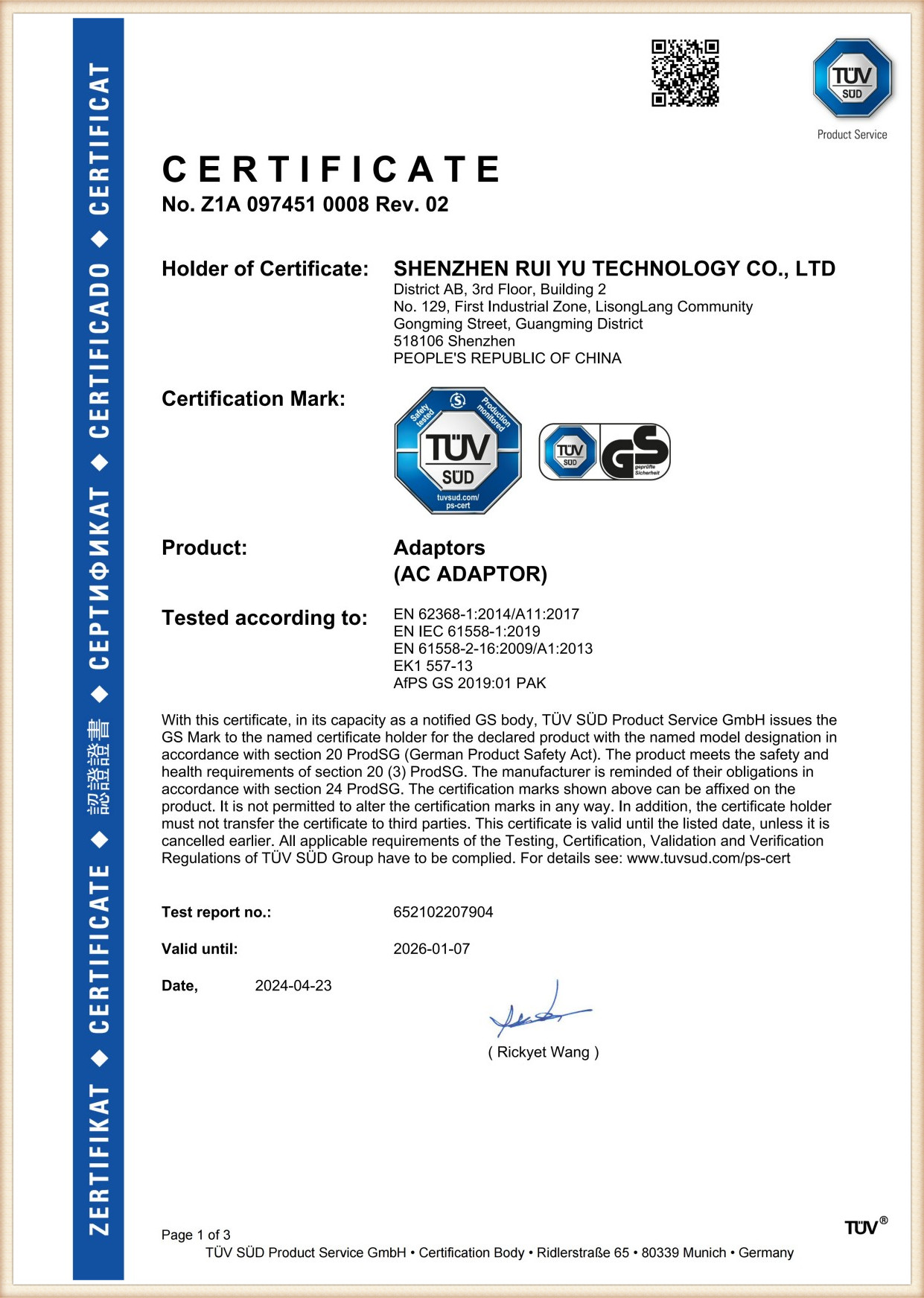
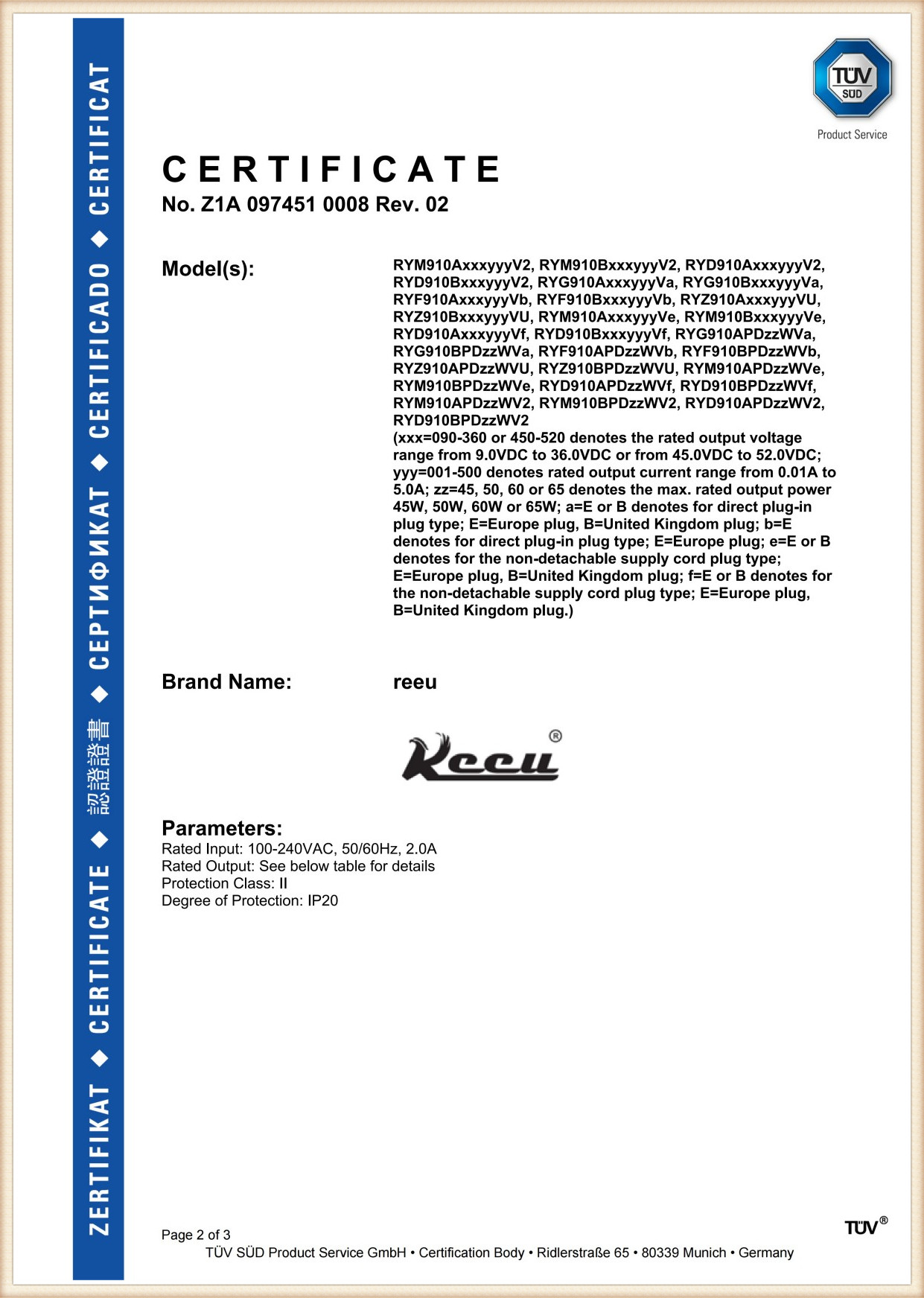
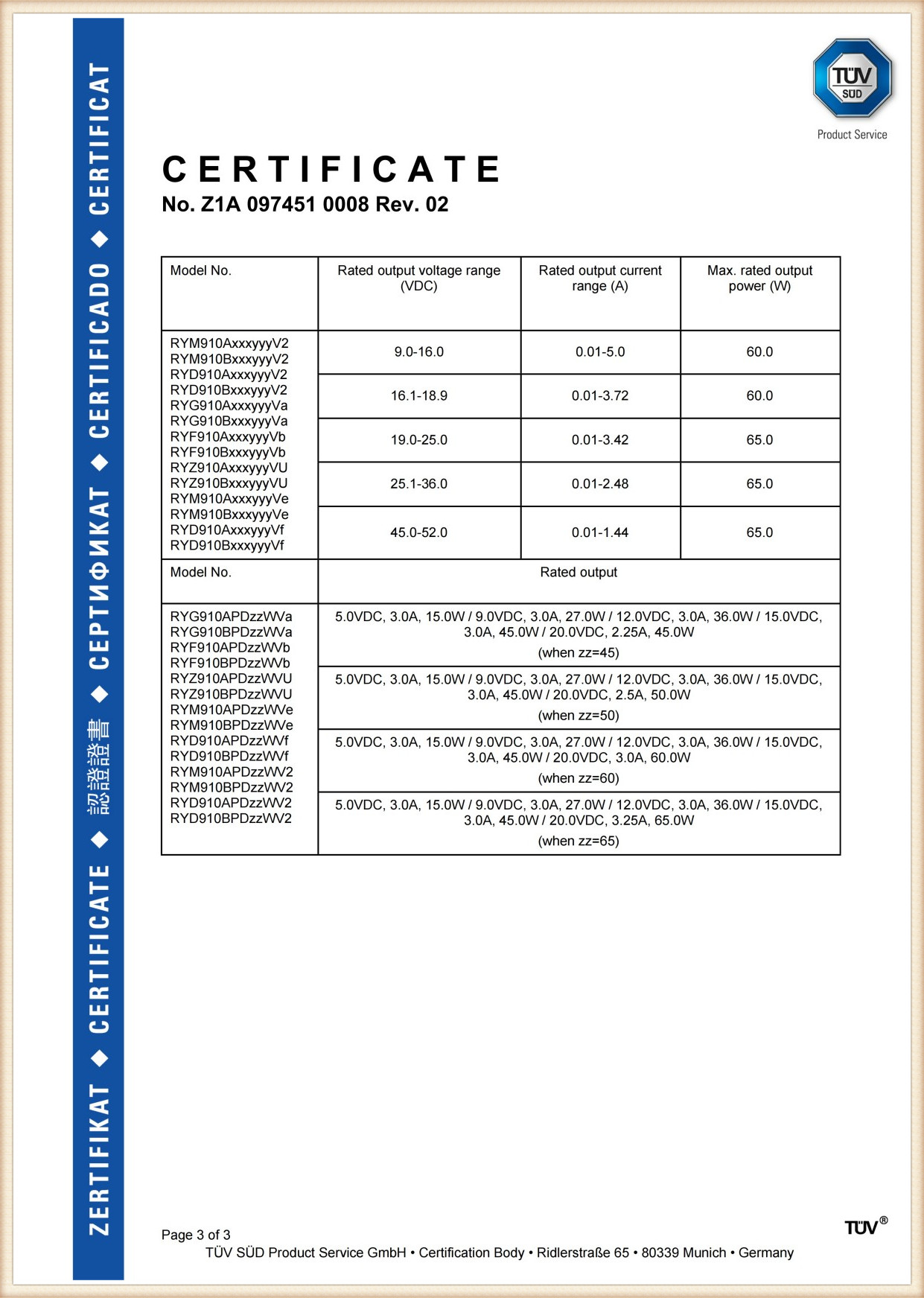
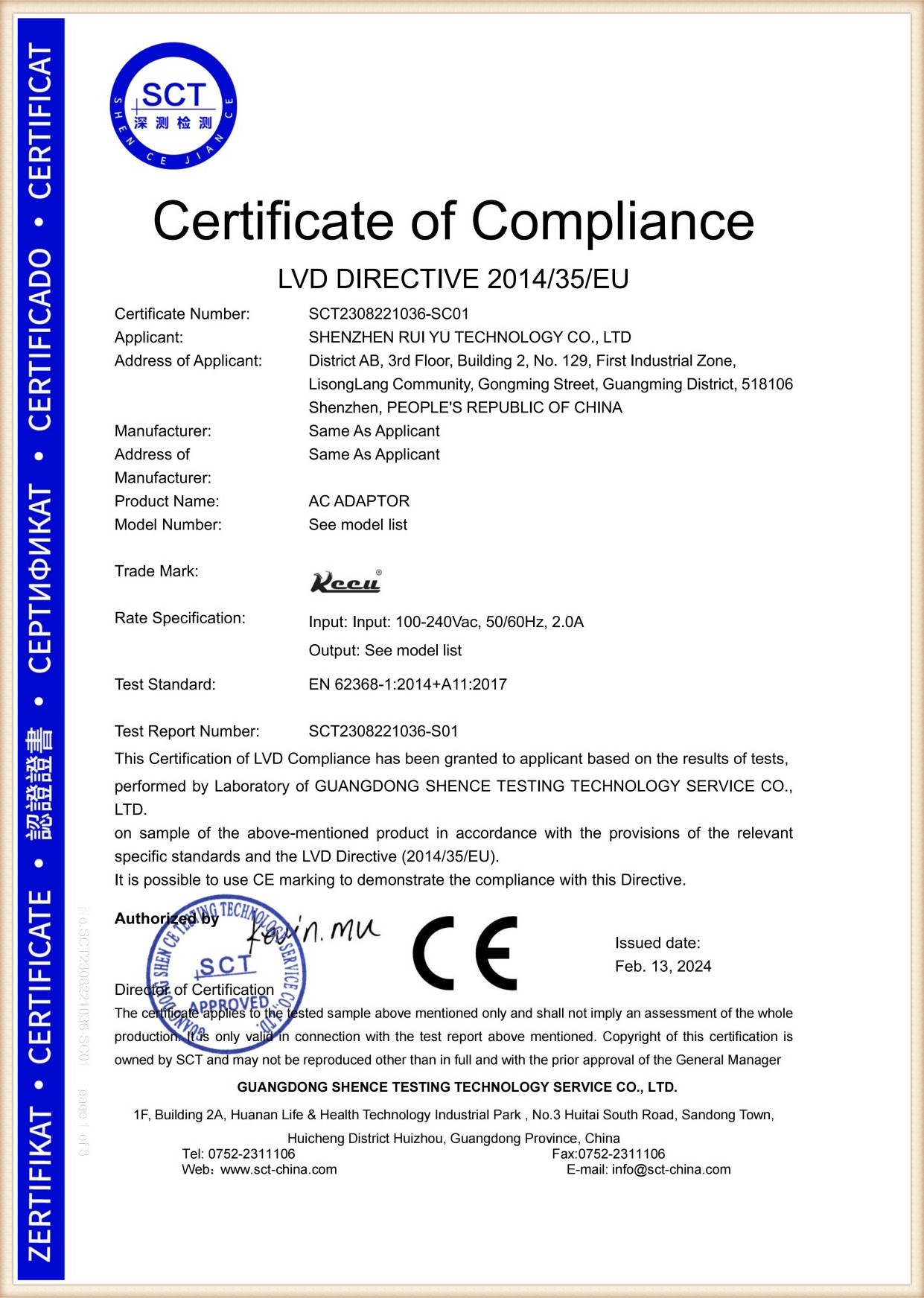
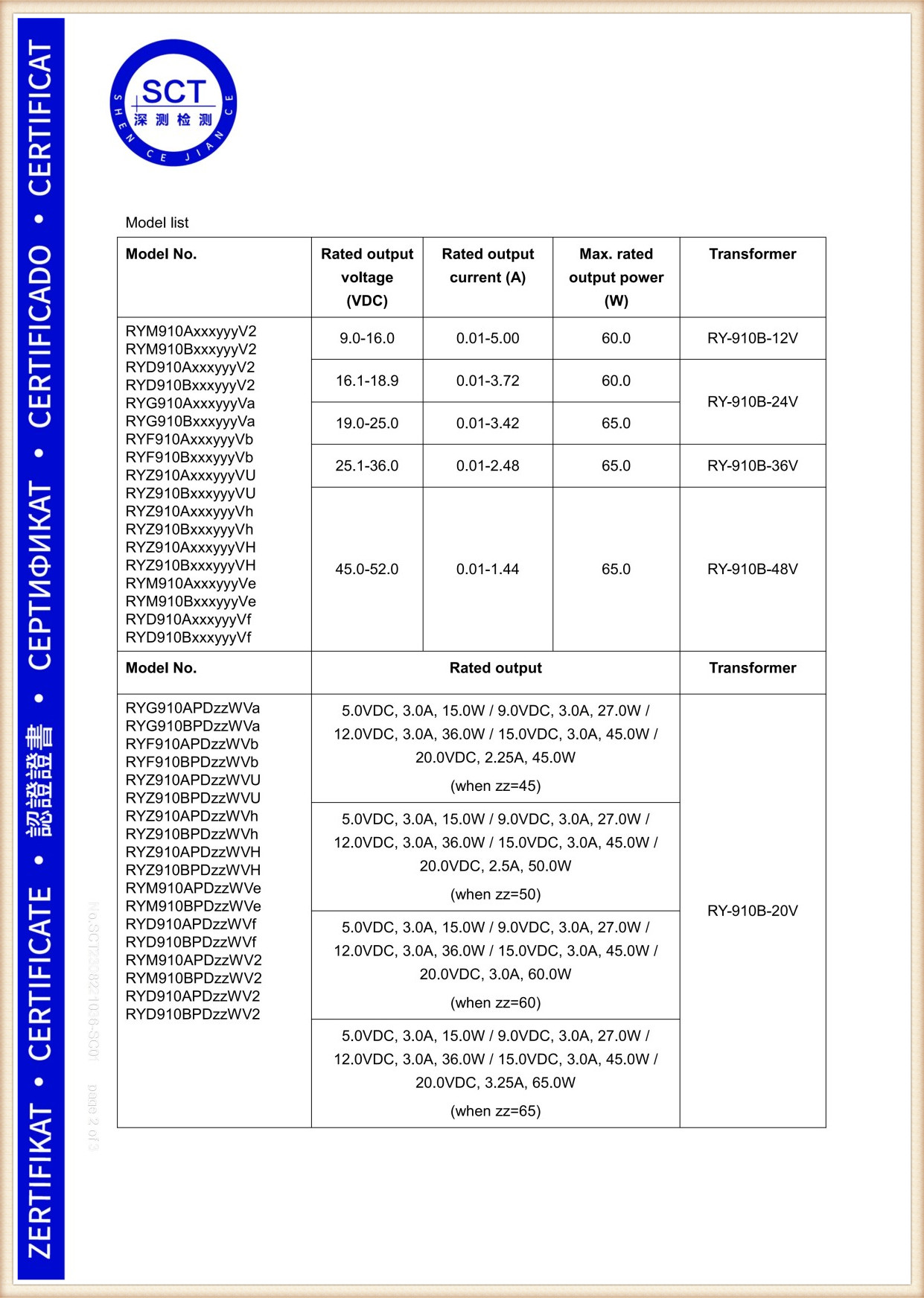
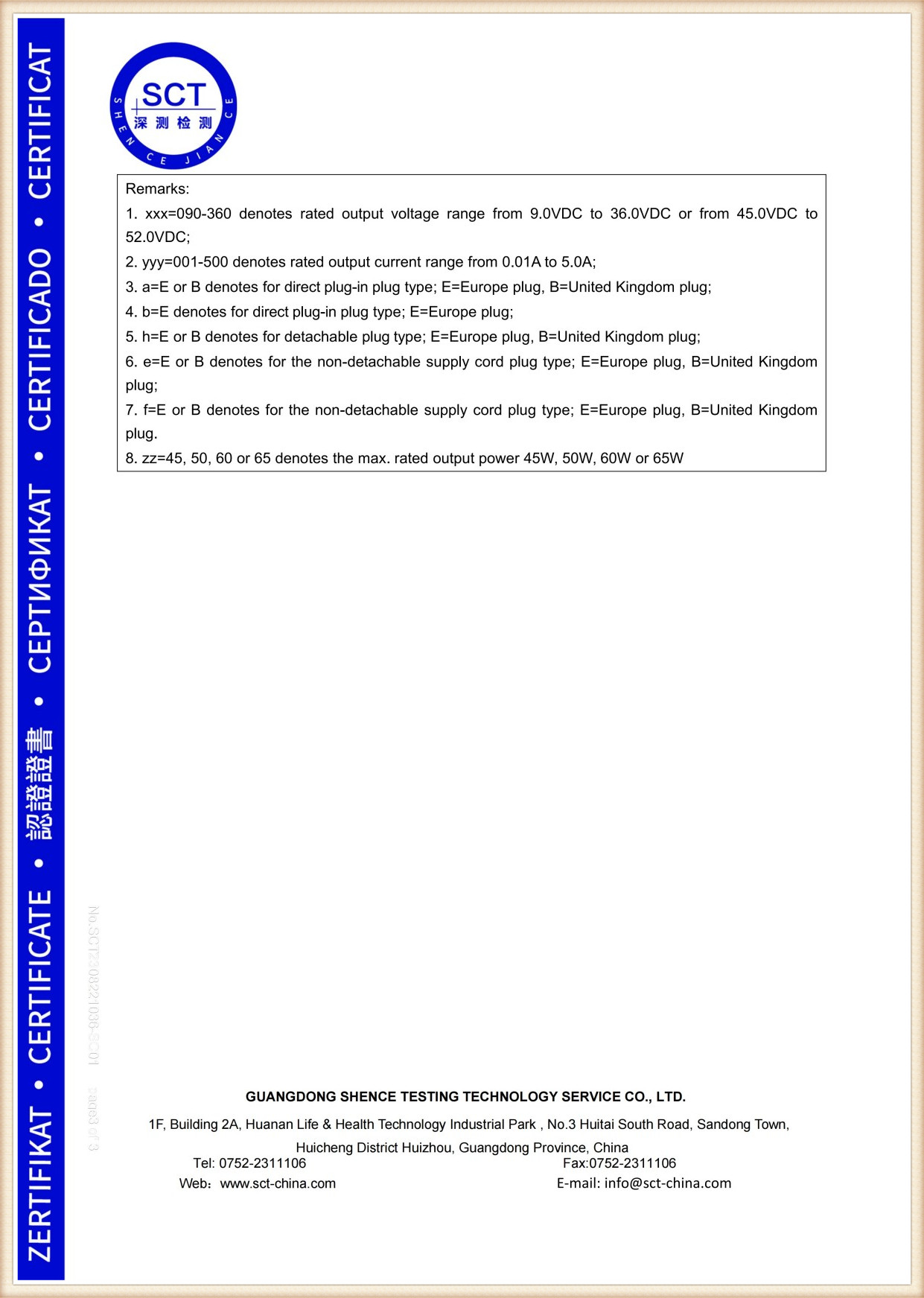
We supply products carrying international certifications, including UL, CE, SAA, KC, JP, and CCC. If your project demands custom, market-specific certifications, our compliance team works directly with third-party testing laboratories to execute localized compliance testing, ensuring seamless customs entry.
Get professional, engineering-focused answers to the most common queries regarding isolated DC-DC converters and AC adapters.
Isolated DC-DC converters rely on an internal magnetic transformer to isolate the input voltage from the output terminals, blocking any DC currents or high-voltage noise from crossing the barrier. Non-isolated converters share a common electrical path or ground reference. Isolated converters provide critical safety protection, eliminate ground loops, and offer superior noise immunity, making them essential for medical, telecom, and industrial automation environments.
The required isolation rating depends on the system application and regulatory standards. For basic functional isolation (breaking ground loops), a rating of 1,000VDC to 1,500VDC is typical. For safety-critical situations where humans interface with low-voltage controls adjacent to mains voltages, reinforced isolation ratings between 3,000VAC and 4,200VAC are required to meet standards such as UL 62368-1 or IEC 60601-1 (medical).
Our engineering team utilizes multi-stage input/output LC filters, optimized PCB layout structures that minimize high-di/dt current loops, internal shielding layers in the transformer, and selective snubber circuit placement to absorb high-frequency spikes. Every adapter is tested to ensure compliance with FCC Part 15 and EN 55032 Class B limits.
Standard production lead times are between 15 and 20 days once order parameters and purchasing documents are finalized. For complex custom OEM/ODM designs requiring enclosure tooling modifications or new PCB layouts, the design and sample verification cycle can take an additional 3 to 4 weeks depending on customer requirements.
High temperatures lead to thermal stress, which degrades efficiency and component lifespan. Our converters utilize high-efficiency circuits and thermal potting materials to dissipate heat. In enclosed settings with ambient temperatures above 50°C, thermal derating curves must be applied, or active cooling (airflow) must be introduced to keep the junction temperatures of components within safe limits.
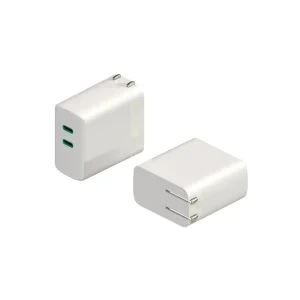
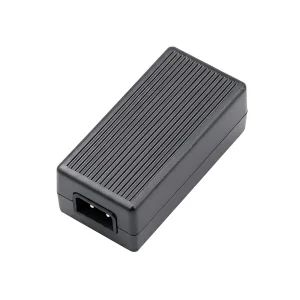
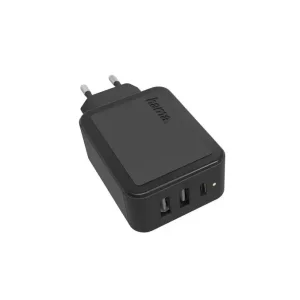
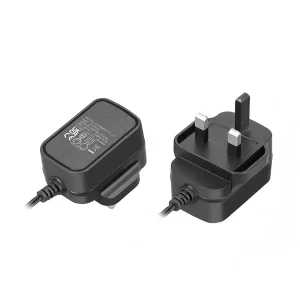
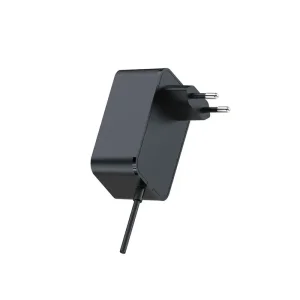
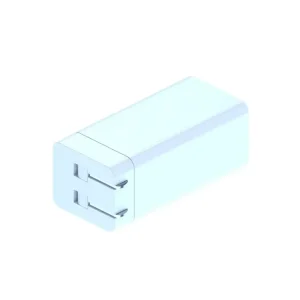
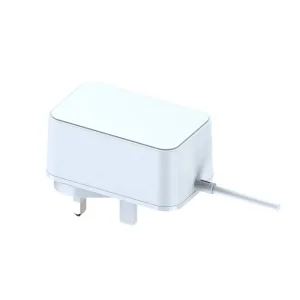
Verify our diverse array of protective wall adapters, ultra-quiet switching blocks, and certified power supplies.
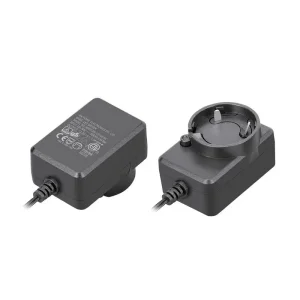
 Tech Adapter