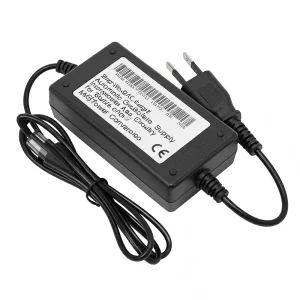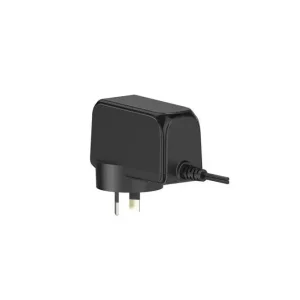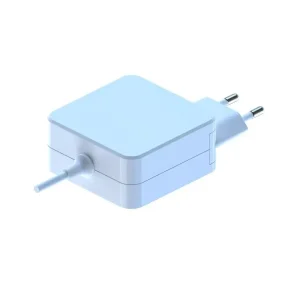
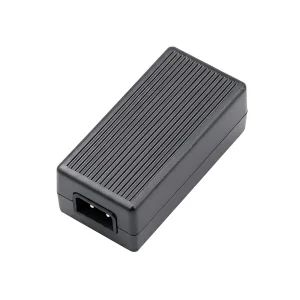
Wholesale Universal AC DC Adapter Supplier & Factory

Global Industrial-Grade Power Conversion Engineering: Leading Edge Technology, Multi-Region Compliance, and Zero-Defect Supply Chain Operations.

Industry Whitepaper: The Evolution of Global AC DC Adapter Technologies

Next-Gen GaN Integration

The transition from traditional Silicon switching topologies to Wide Bandgap (WBG) semiconductors, particularly Gallium Nitride (GaN), has redefined the energy density limits of modern power adapters. This technology allows for up to 95% operating efficiency, significantly minimizing thermal losses.

Dynamic Smart Negotiation

Modern electronic ecosystems demand intelligent output profile adjustments. Using advanced microcontrollers, our adapters dynamically negotiate output voltages from 5V to 24V using USB-PD 3.1 and proprietary charging protocols to match target workloads.

Multi-tier Compliance

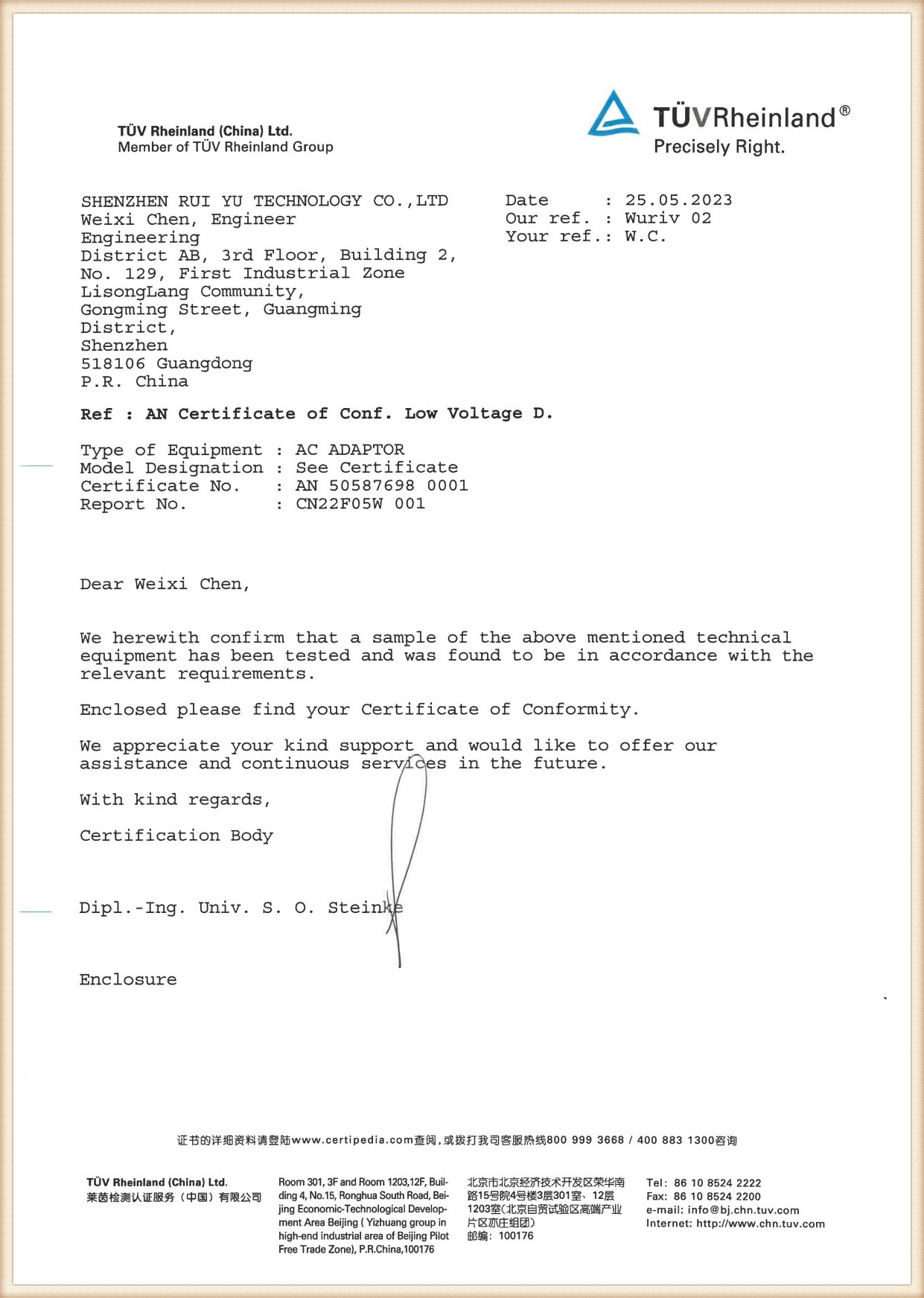
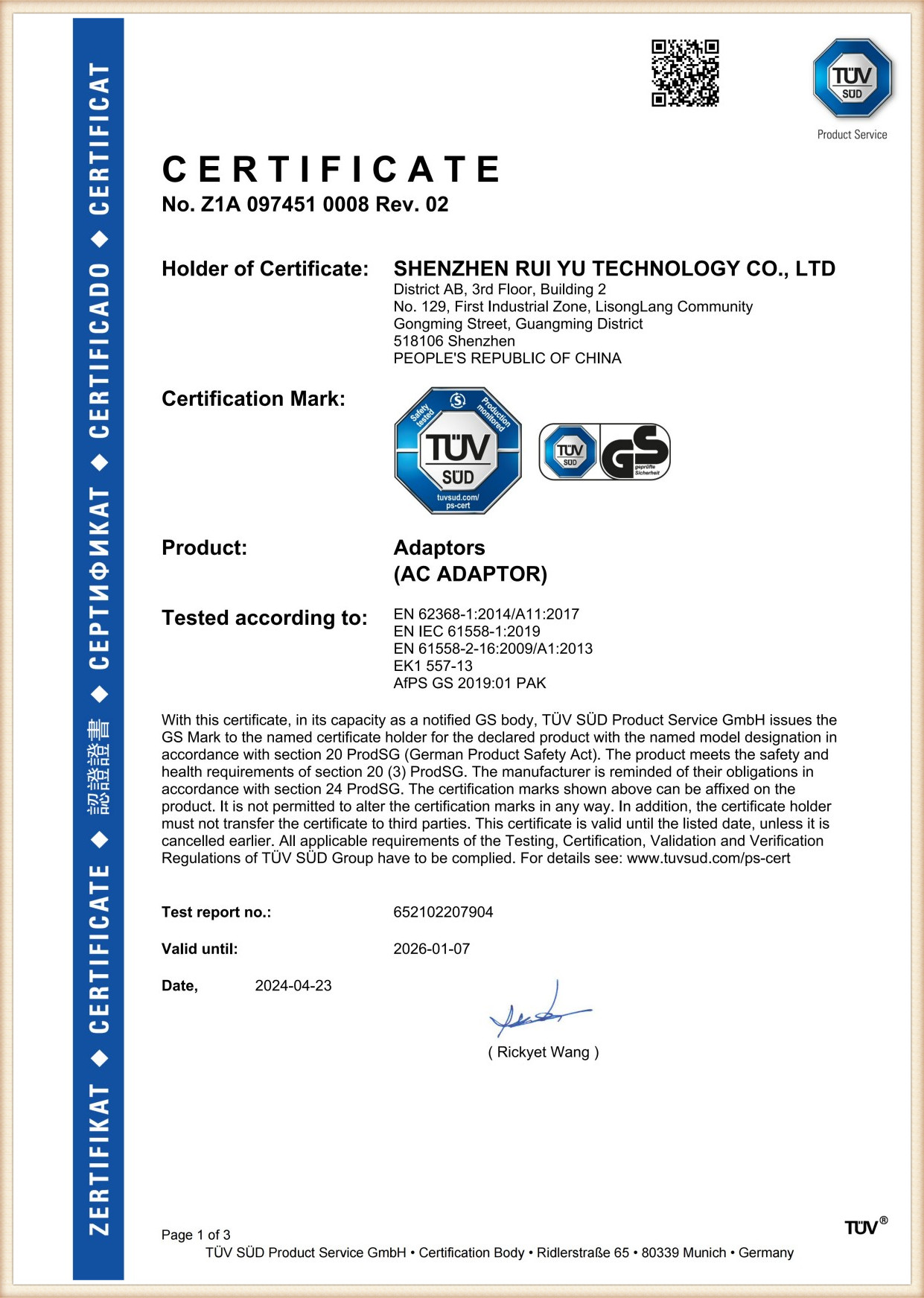
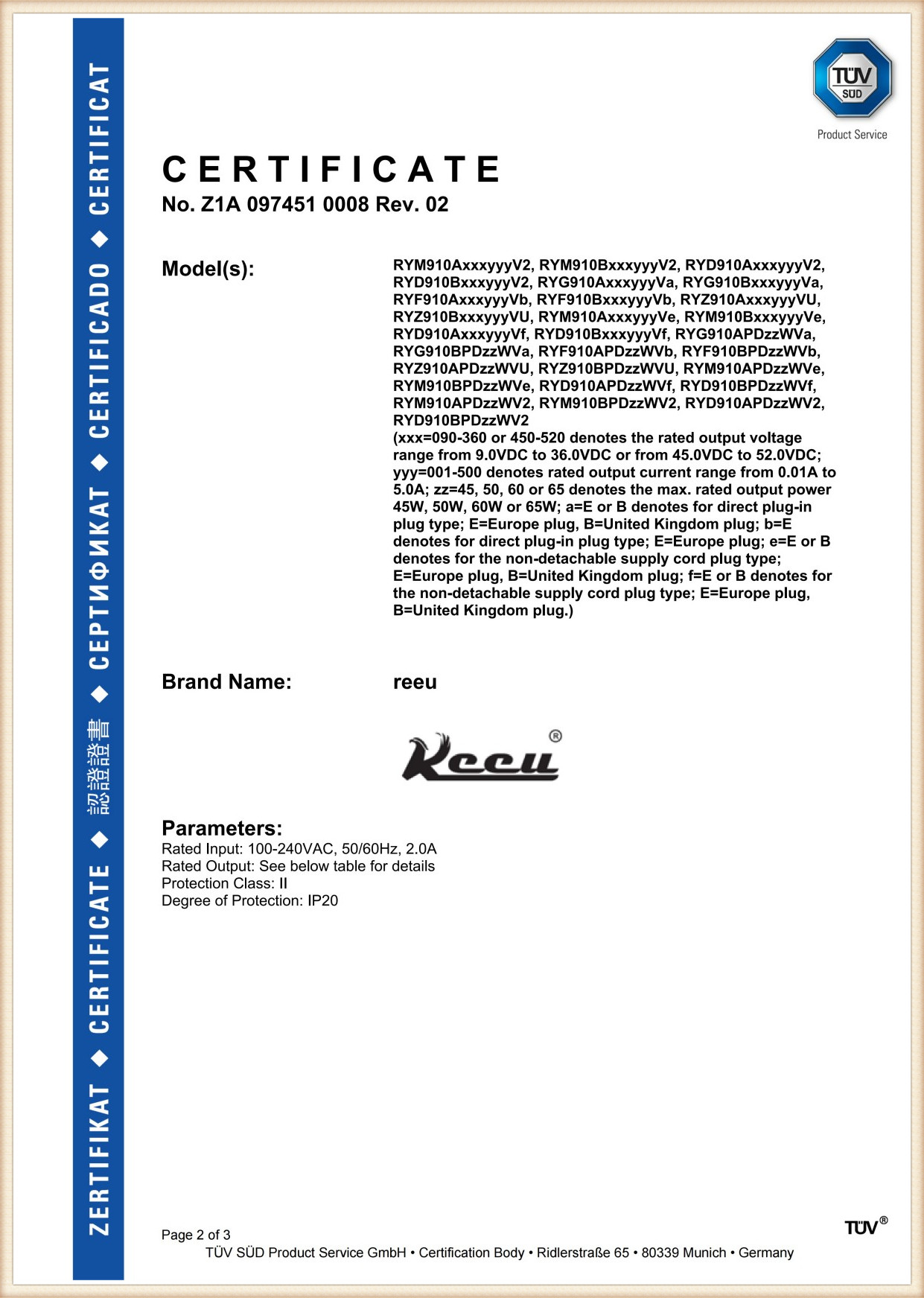
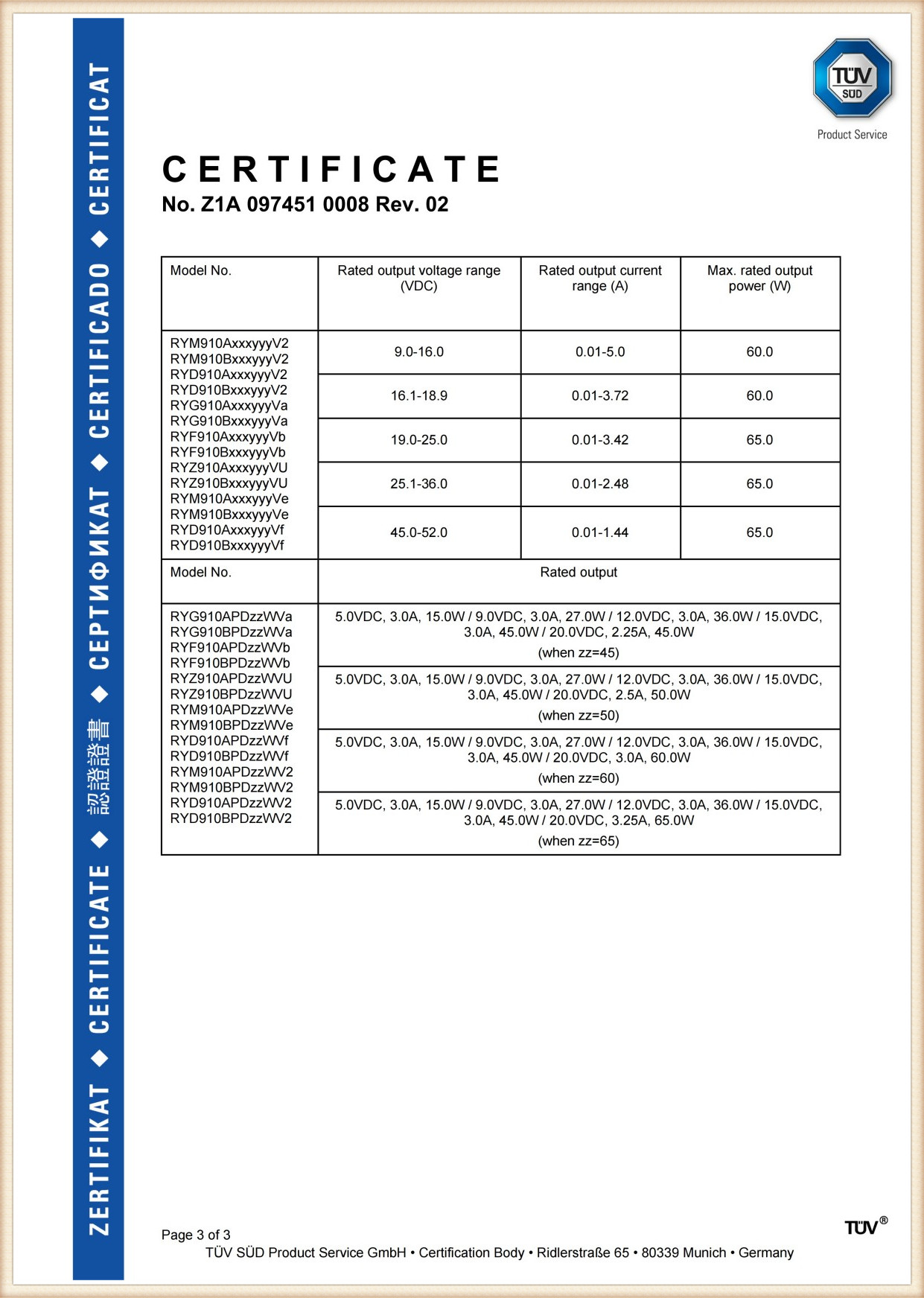
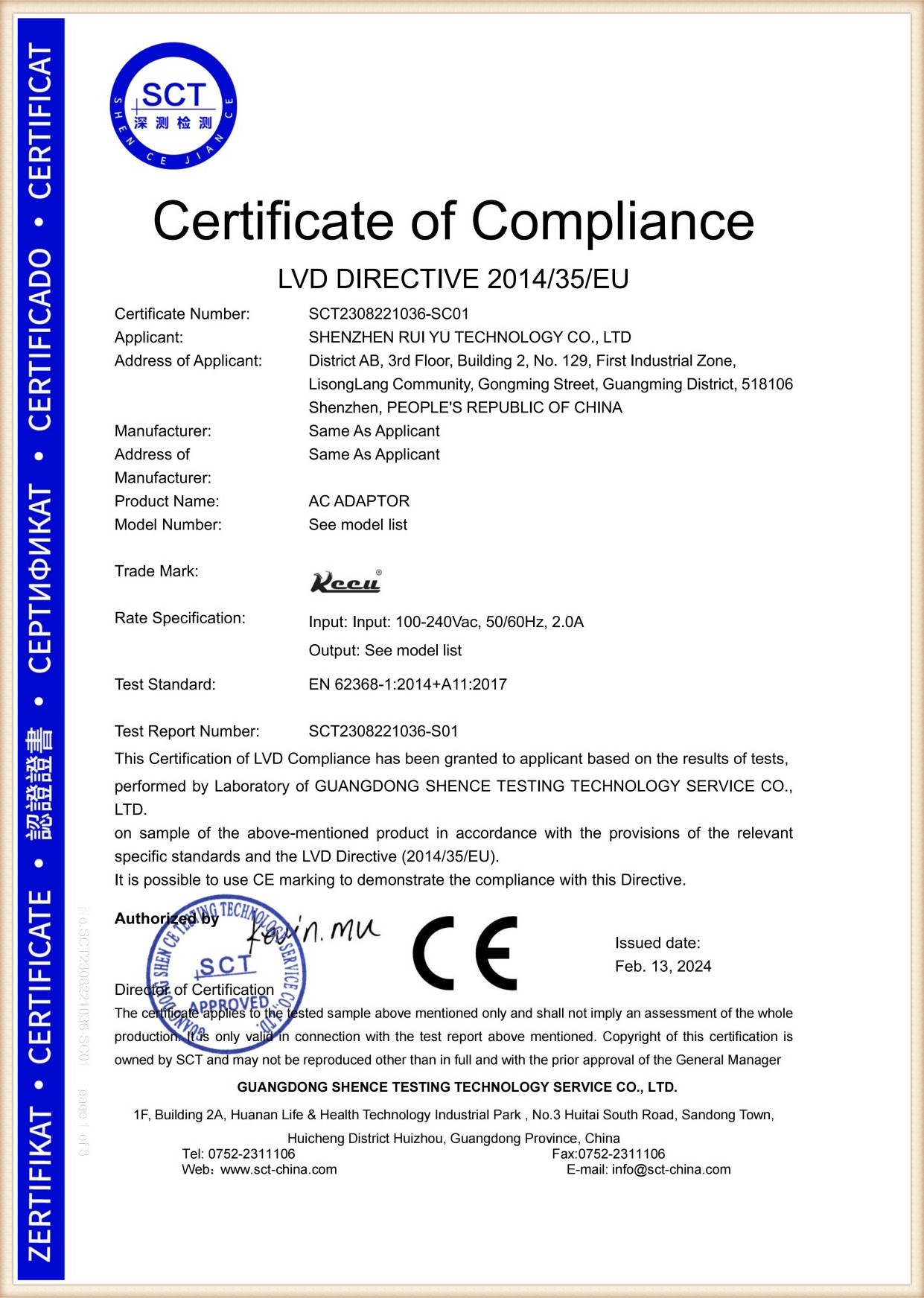
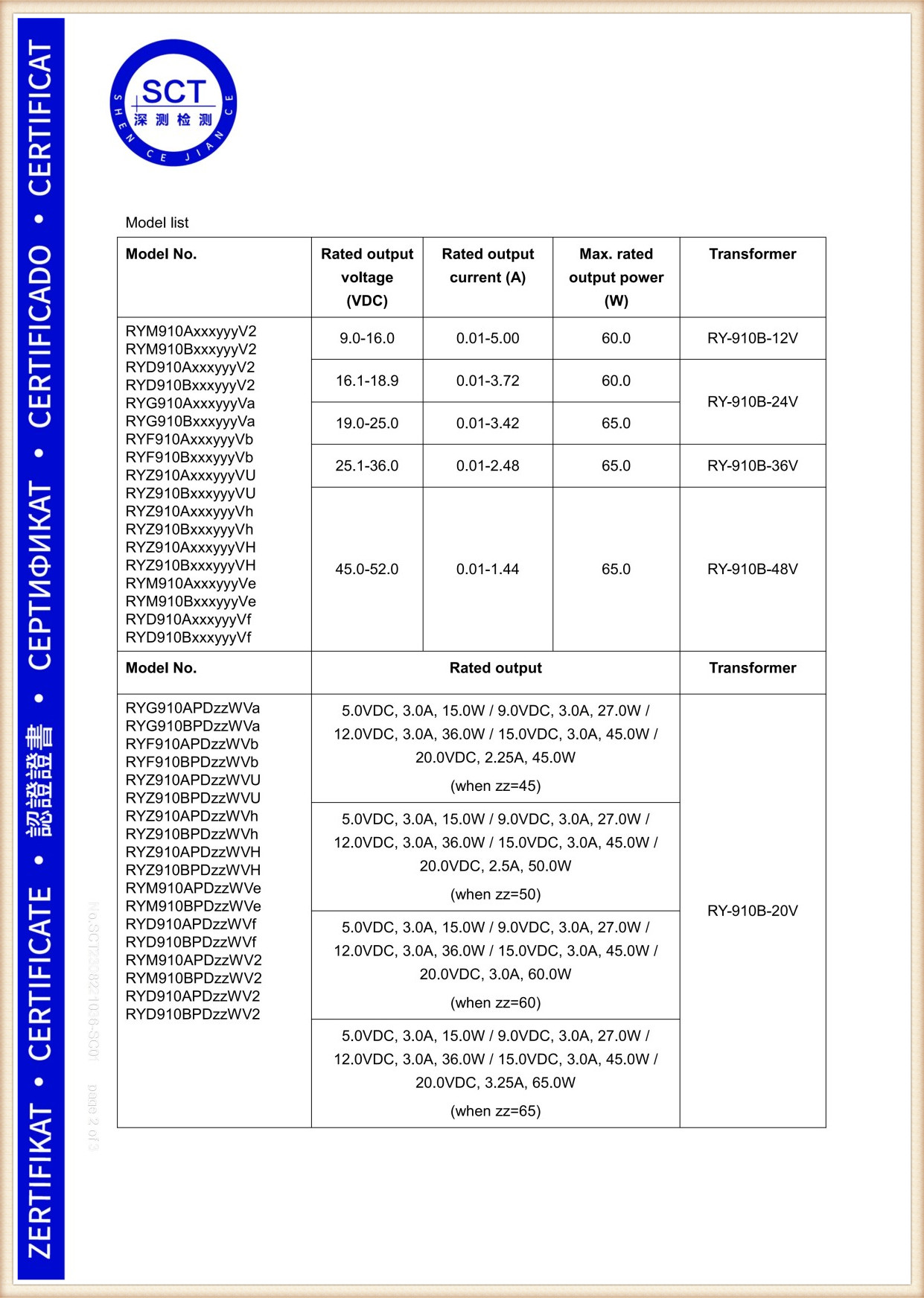
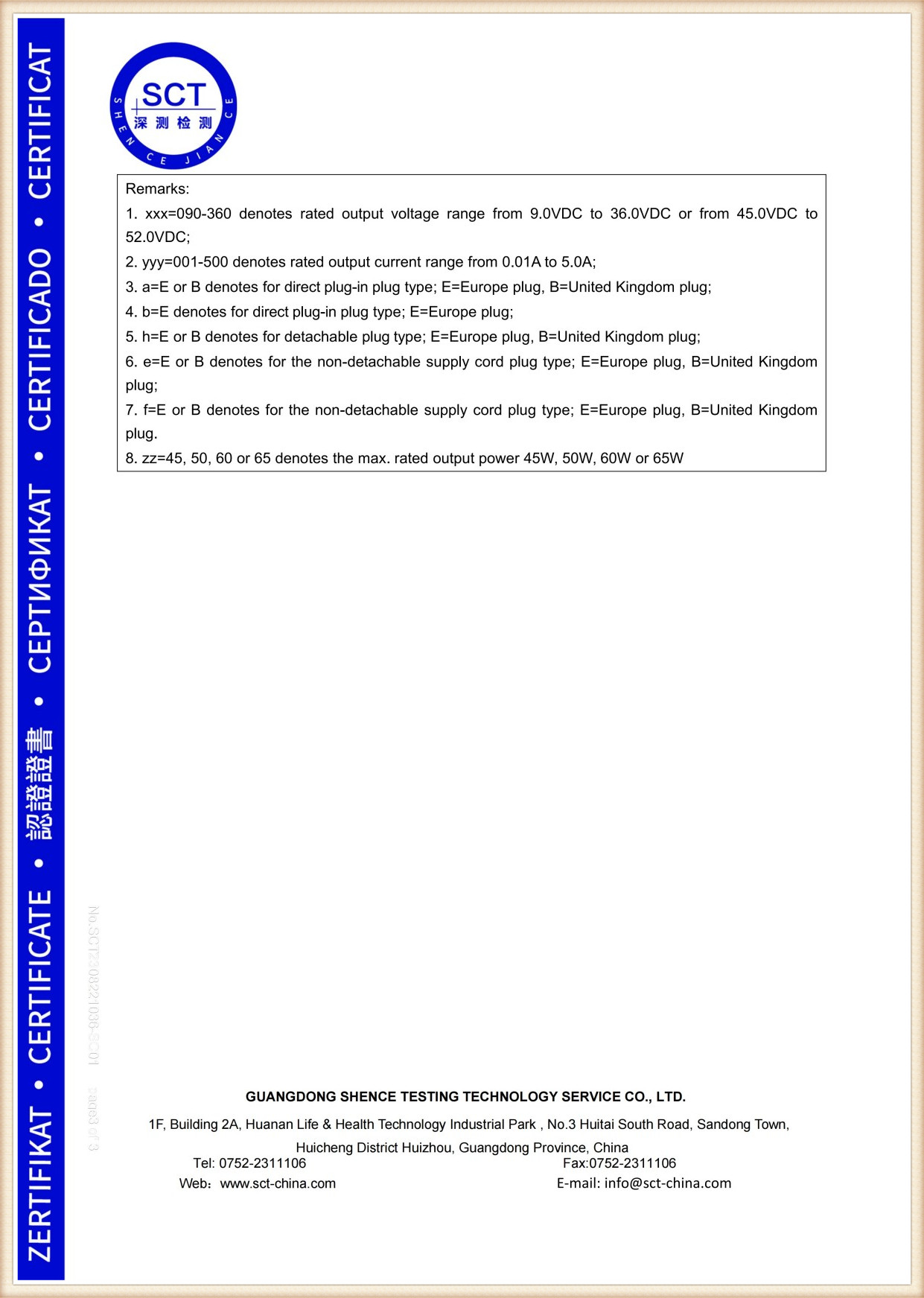
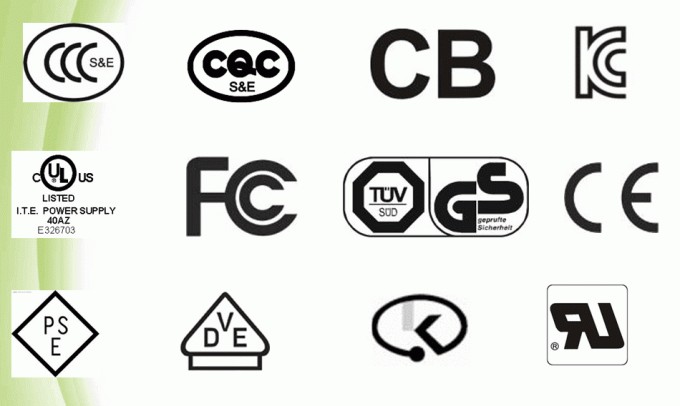
Navigating the global regulatory landscape requires a baseline architecture compliant with major safety standards. Our platforms are designed to systematically meet and exceed CE, ETL, UL, CCC, PSE, KC, and SAA requirements right out of the box.

The global enterprise demand for reliable, high-performance power supply systems has entered a phase of strict regulatory scrutiny and rapid technological consolidation. As systems scale and internal component spaces contract, the power adapter is no longer viewed merely as an accessory but as a critical infrastructure hub. System downtime caused by voltage ripples, thermal breakdown, or electromagnetic interference can cost enterprises thousands of dollars per minute. Ensuring optimal efficiency and high MTBF (Mean Time Between Failures) has become the core focal point of modern design engineering teams.

Global Enterprise Procurement Requirements

Procurement officers and sourcing executives must systematically evaluate the Total Cost of Ownership (TCO) when choosing a strategic partner for high-capacity power solutions. Sourcing relies heavily on product consistency, lead time predictability, and regulatory security.

  • 1 Strict Regulatory Alignments: Verification of international compliance schemes including Energy Star Level VI and ErP CoC Tier 2 for eco-design.
  • 2 Raw Material Sourcing Control: Ensuring flame-retardant enclosures (such as PC+ABS rated UL94 V-0) and certified magnetic cores.
  • 3 Advanced Quality Assurance: Full traceability logs per batch utilizing Automated Test Equipment (ATE) to guarantee line-item accountability.
Shenzhen FuYun manufacturing operations floor

Shenzhen FuYun (RUIYU) Manufacturing Capacity

Established in August 2010 at Guangming New District, Shenzhen, RUIYU Technology operates as a leading integrated manufacturer specializing in high-performance switching adapters, medical adapters, chargers, and beauty equipment components.

50,000㎡
Production Space
800+
Skilled Operators
48
Active Assembly Lines
100,000
Daily Output Capacity

Deep Engineering & Component-Level Reliability

Precision Circuit Design

Utilizing Active Clamp Flyback (ACF) and Synchronous Rectification topologies, our circuits reduce standard energy losses, achieving a thermal baseline that significantly increases operational lifespan in confined environments.

EMI/EMC Suppressing Layouts

Designed with multi-stage input filtering (Pi Filters, Common Mode Chokes), our PCBA layouts block conducted emission spikes and manage electromagnetic noise to comply with FCC Part 15 and EN 55032 Class B limits.

Advanced Thermal Management

High-conductivity encapsulation compounds combined with optimized heat-sink placements distribute heat evenly. This prevents localized hotspots and ensures components operate within safe thermal limits.
Testing and verification machines inside RUIYU laboratory

Stringent SOP & QC Architecture

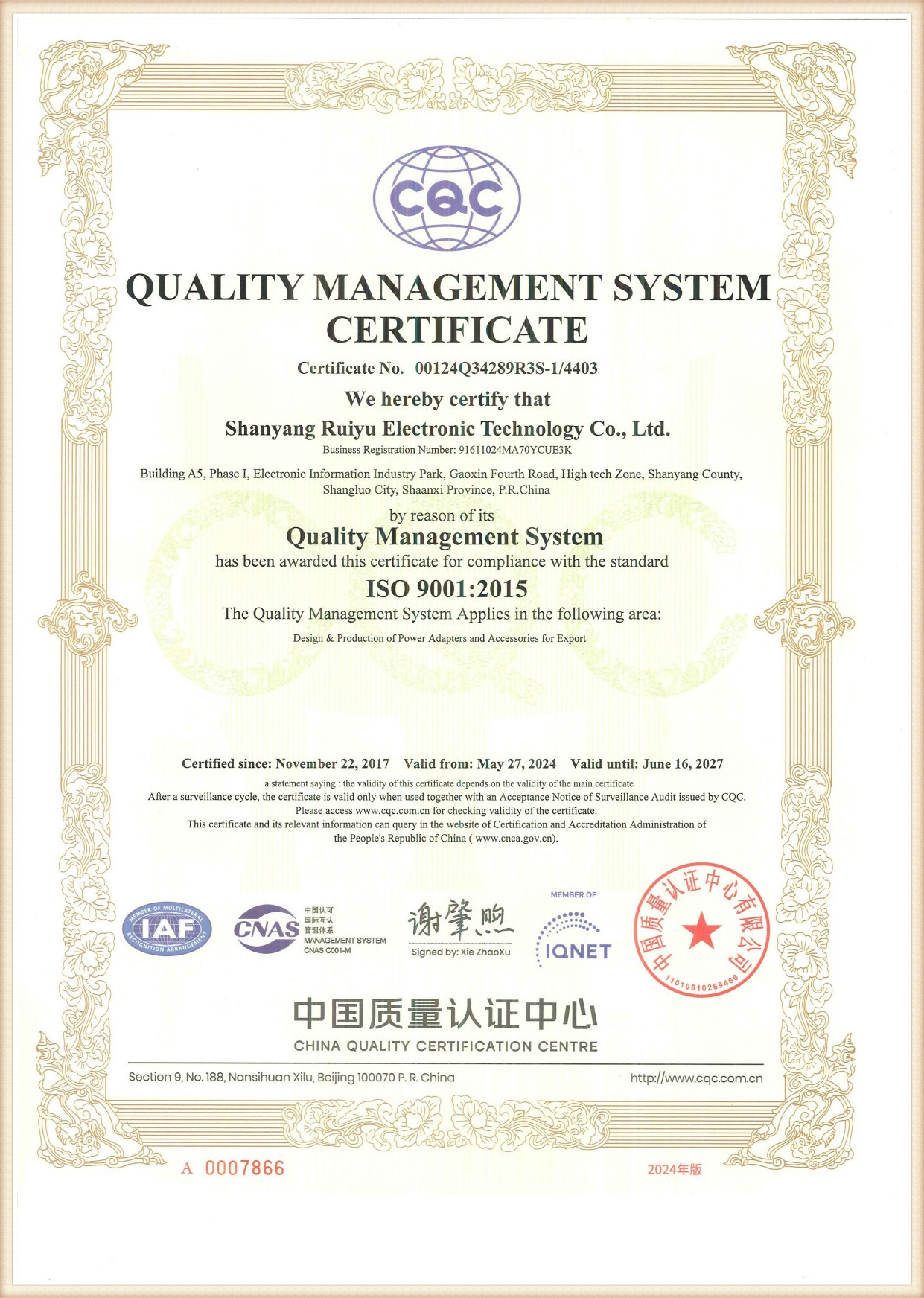
Our quality system guarantees that each production run undergoes strict, documented inspection. Supported by 30 dedicated QA/QC specialists, we follow strict testing SOPs from raw material input to final product shipping.

All products undergo full system tests before packaging, including: 100% full-load burn-in testing, high-voltage insulation tests, input-output leakage current monitoring, and digital ripple inspections.

This systematic methodology helps ensure a field failure rate of less than 0.1%, providing high reliability for critical telecommunication, medical, and industrial electronics.

Global Infrastructure Support & Risk Mitigation

Enterprise Partnership Commitment

RUIYU Technology focuses on collaborative growth with our distribution and OEM partners. To achieve this, we have developed a structured, customer-first service program:
  • A 24-Hour Active Response Window: Direct channel to our expert sales engineers for technical support.
  • B Prototype Support Program: Sourcing support offering 2-5 free engineering samples for performance verification.
  • C Shortened Lead Times: Production turnaround times of just 15 to 20 days.
  • D Supply Protection: 0.1% buffer stock provided with bulk shipments to protect against transport or installation damage.
Quality inspection of high frequency transformers

SOP Certified Assembly Lines & Product Gallery

Assembly process step
Precision alignment checks
Wave soldering system checks
Automated packaging and boxing line
Completed product batch warehouse storage
Visual checks on ready shipments
Automated PCBA testing machines
Final functional burn-in testing racks

Technical Q&A: Universal AC DC Adapter Procurement

What are the primary differences between standard ITE power supplies and medical-grade AC DC adapters?
Medical-grade adapters must adhere to the rigorous IEC 60601-1 safety standard, which focuses on Means of Patient Protection (MOPP) and Means of Operator Protection (MOOP). The key technical differences lie in strict limits on leakage current (often < 100µA for medical, compared to < 250µA for ITE), increased creepage distances, and double insulation layers. Standard ITE adapters are designed under IEC 62368-1 for information technology and consumer devices, where human contact profiles are less critical.
How does wide-voltage inputs (100V-240V AC) affect efficiency across regional grids?
Universal switching power supplies utilize active component switching to adjust duty cycles to regional input voltages. Typically, efficiency drops slightly at lower input voltages (110V AC, common in the US) compared to higher input voltages (230V AC, common in Europe). This occurs because higher current is required to maintain output wattage at lower input voltages, resulting in increased thermal generation in the primary switching MOSFET. Our advanced designs use synchronous rectification to mitigate this drop.
Why is an MTBF of 50,000 hours critical for industrial and telecom B2B operations?
Mean Time Between Failures (MTBF) measures equipment reliability over its operational lifetime. An MTBF rating of 50,000 hours guarantees that the components—such as high-grade Japanese capacitors and silicon switches—can withstand years of continuous use. This reliability is vital for minimizing maintenance calls and system downtime in industrial applications.
What are the benefits of using PC+ABS engineering plastics for adapter enclosures?
A compound of Polycarbonate (PC) and Acrylonitrile Butadiene Styrene (ABS) offers excellent impact resistance, structural rigidity, and heat deflection performance. Sourcing UL94 V-0 flame-retardant PC+ABS materials ensures that the adapter enclosure will self-extinguish within ten seconds in the event of an internal thermal runaway, preventing fire hazards in industrial or residential environments.