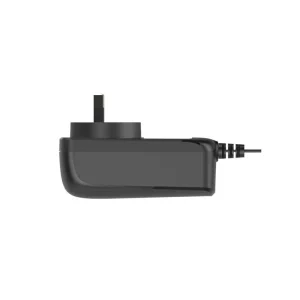
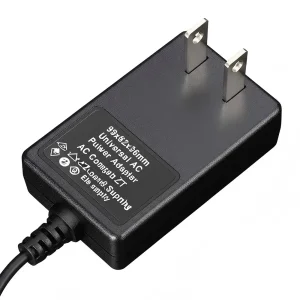
Medical AC Adapter Suppliers & Factories in the Brazil Market

High-reliability medical-grade external power solutions meeting ANVISA and INMETRO requirements. 2xMOPP isolation designs certified to IEC 60601-1 standards.

Primary Medical Adapter Standards for the Brazilian Market

Explore our range of ultra-safe, high-isolation switching power adapters designed specifically for hospital, clinical, and home healthcare devices operating in South America's largest medical sector.
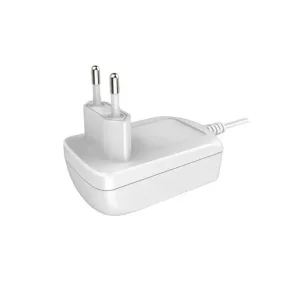
Navigating the Brazilian Medical Device Power Landscape

A Technical Guide on Compliance, Power Integrity, and Regulatory Demands for AC-DC Converters in South America.

1. Executive Summary: The Critical Nature of Medical Power Supplies in Brazil

The medical device market in Brazil is undergoing a profound technological transformation. As the largest healthcare economy in Latin America, Brazil boasts a sophisticated network of private and public hospitals (SUS - Sistema Único de Saúde) demanding high-precision diagnostics and home healthcare systems. Within this framework, the reliability of the external AC-DC adapter is not merely a specification but a crucial safety element. A failure in the power converter can halt life-sustaining therapeutic systems or distort microvolt-level signals in patient monitoring displays.

This technical whitepaper details the engineering parameters, regulatory requirements (including the complex ANVISA registration procedures and INMETRO system testing), and geographical operational hurdles that manufacturers and distributors of medical-grade electronic equipment must resolve when deploying systems in Brazil.

Technical Standard Highlight: NBR 14136 Compatibility

Brazil utilizes a distinct plug type under standard NBR 14136, featuring hexagonal configurations with 4mm and 4.8mm pins depending on the current rating (10A vs 20A). Medical installations require strict adhesion to these dimensions to prevent socket damage or grounding interruptions.

2. ANVISA & INMETRO Regulatory Frameworks

Unlike consumer power adapters, medical-grade AC-DC converters must comply with strict safety certifications before entering clinical environments. In Brazil, the primary regulatory body is the Agência Nacional de Vigilância Sanitária (ANVISA), which aligns its medical safety assessments with INMETRO (Instituto Nacional de Metrologia, Qualidade e Tecnologia).

  • IEC 60601-1 (Edition 3.1 & 3.2): International safety standard translated locally as ABNT NBR IEC 60601-1. It dictates the electrical isolation, thermal protection, and mechanical integrity requirements.
  • 2xMOPP (Means of Patient Protection): All medical equipment coming into direct physical contact with patients requires two independent barriers of insulation. This equates to a minimum isolation voltage testing of 4,000 VAC and creepage distances exceeding 8mm.
  • INMETRO Ordinance 384/2020: Outlines the mandatory certification process for electro-medical devices in Brazil. Power supply units integrated within or connected to medical systems must undergo testing in INMETRO-accredited laboratories.

3. Industrial and Local Grid Challenges in Brazil

One of the most complex challenges for global medical equipment manufacturers is the grid volatility of Brazil. The country features a fragmented supply voltage system. While states like São Paulo and Rio de Janeiro alternate between 127V and 220V depending on local distributions, other states are entirely standardized at 220V. This requires all medical adapters to support a wide-input range of 90VAC to 264VAC without performance degradation.

Furthermore, seasonal lightning storms and weak distribution infrastructure in remote areas of Brazil's northern and northeastern states produce substantial voltage spikes and sags. Medical power adapters must integrate robust surge protection circuits, utilizing transient voltage suppressors (TVS) and metal oxide varistors (MOV) designed to withstand sudden surges without compromising the safety barriers.

Standard Specifications for Brazil Medical AC-DC Adaptors

Feature / Parameter Required Specification (Medical Grade) Benefit to Brazilian Healthcare Operators
Input Voltage Range 90 - 264 VAC (50/60 Hz) Universal operation across 127V and 220V regional grids.
Dielectric Isolation 4,000 VAC (Input to Output) - 2xMOPP Maximum patient safety from electrocution or leakage currents.
Leakage Current <100 µA (Typical <10 µA) Ensures compatibility with sensitive cardiac or monitoring equipment.
Plug Standard NBR 14136 Three-Pin Grounded Plug Direct compliance with local Brazilian electrical code.
Certification Protocol IEC 60601-1 (Edition 3.2) & INMETRO Simplified ANVISA registration process for medical OEMs.

4. Application Scenarios in Modern Healthcare

The deployment of high-grade switching power supplies in Brazilian clinics and homecare centers covers several vital systems:

  • Continuous Positive Airway Pressure (CPAP) & Ventilators: Used in critical homecare setups across São Paulo, demanding continuous operational stability without acoustic noise or high temperatures.
  • Clinical Diagnostics & Ultrasonography: Low ripple voltage outputs prevent electromagnetic interference (EMI) on ultrasound display screens and diagnostic sensors.
  • Infusion Pumps & Patient Monitors: Desktop AC-DC adapters provide reliable power to clinical monitoring rigs where uninterrupted performance directly affects patient care outcomes.

Shenzhen FuYun (RUIYU) Technology Co., LTD.

A trusted global supplier of certified medical power solutions since 2010.

Shenzhen FuYun Factory Floor

Global Presence, Local Support

Established in August 2010, Shenzhen FuYun (RUIYU) Technology Co., Ltd. is located in the Guangming New District of Shenzhen, China. Operating from a state-of-the-art facility, the enterprise specializes in the R&D, manufacturing, and distribution of switching power adapters, chargers, and custom power solutions.

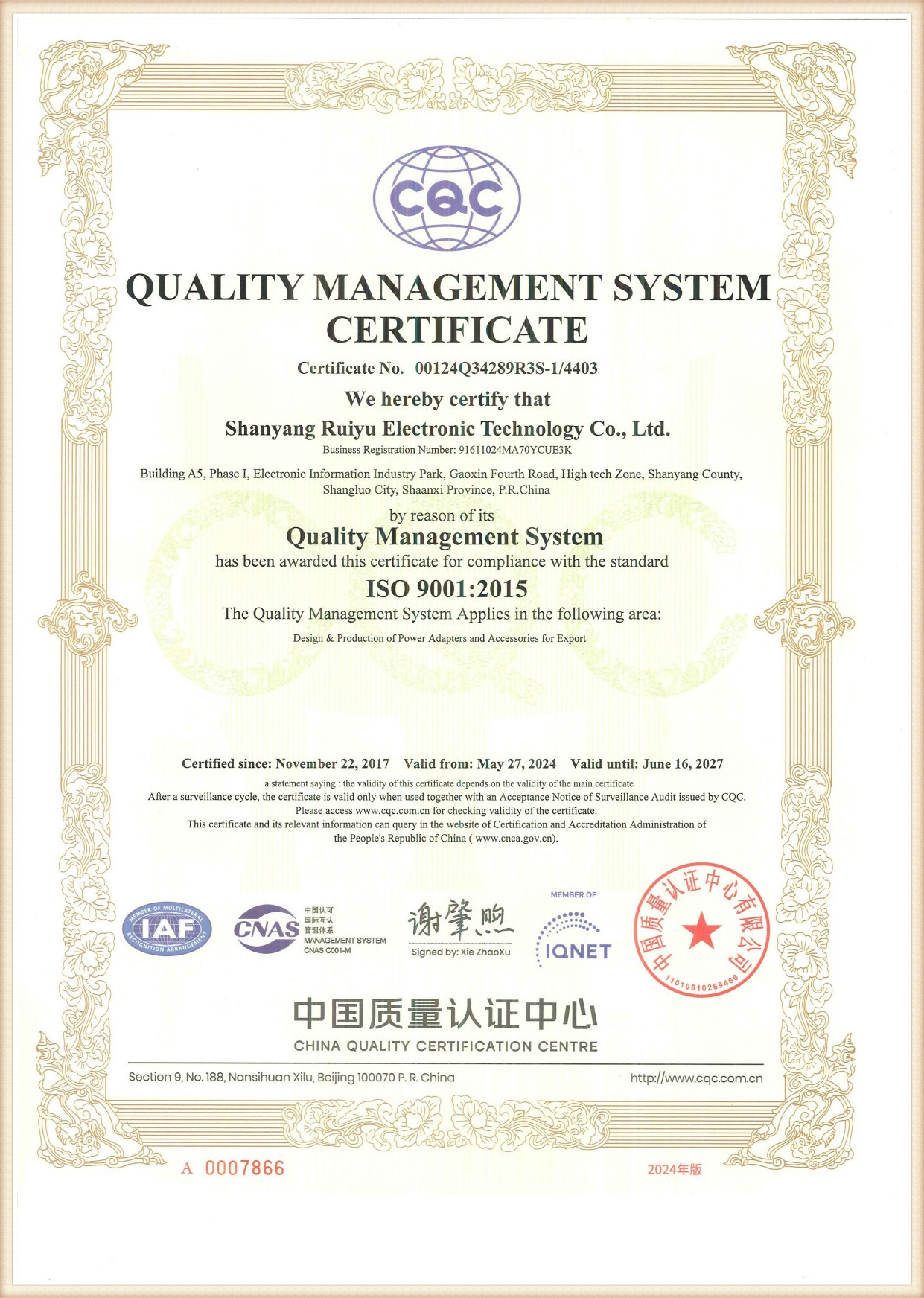
With a massive international footprint, FuYun maintains robust sales networks across the USA, European Union, Japan, South Korea, and is rapidly expanding partnerships with medical device manufacturers and distributors within Brazil. The facility operates under strict ISO 9001 guidelines, ensuring every manufactured unit complies with safety regulations.

10+
Years Industry Experience
50k m²
Facility Space
800+
Skilled Operators
100k
Daily Capacity (pcs)

Quality Assurance and Compliance Testing

Our manufacturing plant runs 48 advanced production lines equipped with automated wave soldering, optical detection (AOI), automated test equipment (ATE), and designated burn-in chambers. To guarantee safety and performance:
  • 30 Dedicated QA/QC Specialists: Oversee all production stages, from raw component sourcing (IQC) to final inspections before dispatch.
  • Traceability Protocol: Every medical AC adapter receives a unique tracking number linked to raw material records, manufacturing parameters, and individual test reports.
  • Comprehensive Safety Checks: 100% of manufactured adapters undergo hi-pot testing, isolation evaluation, and active burn-in testing to minimize early failures in client devices.

5. Supply Chain and Business Support Commitments

Building partnerships with Brazilian medical distributors and equipment manufacturers requires reliable logistics support and customized service. We provide:

  • Rapid Technical Communication: Direct support from engineering and sales teams within 24 hours to address technical specifications and certification questions.
  • Complimentary Samples: 2 to 5 free adapter samples for verification and electrical testing under local Brazilian grid conditions.
  • Quick Production Lead Times: Large orders are fulfilled within 15 days following purchase order confirmation.
  • OEM/ODM Capabilities: Customizing output cables, connector ends, casing colors, and local labeling to match ANVISA requirements.
  • Spare Parts Coverage: 0.1% of every order quantity is provided at no extra cost as backup inventory.

Extended Product Portfolio for Brazil Healthcare Channels

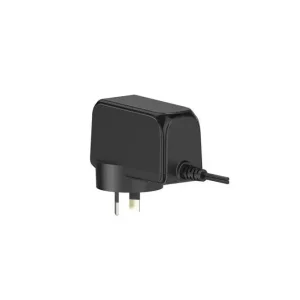
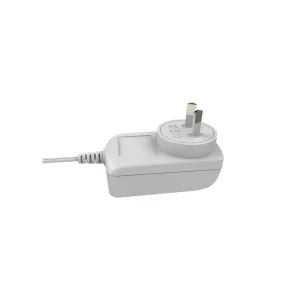
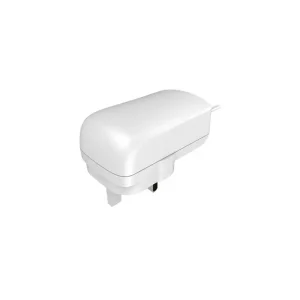
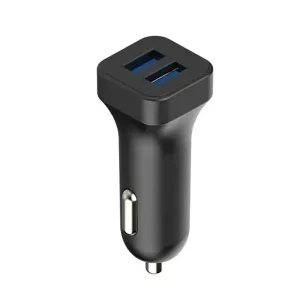
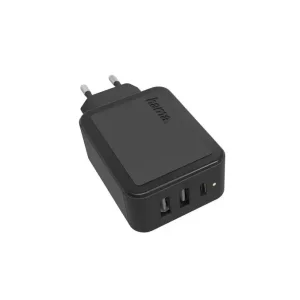
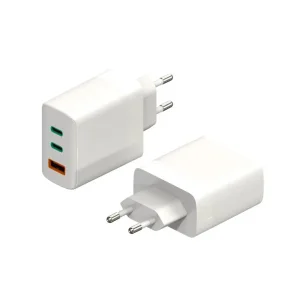
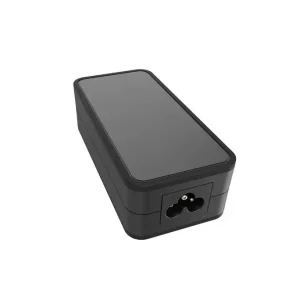
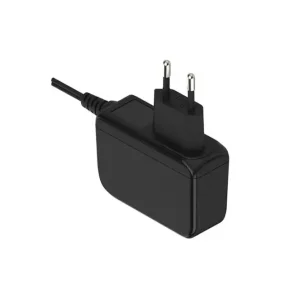
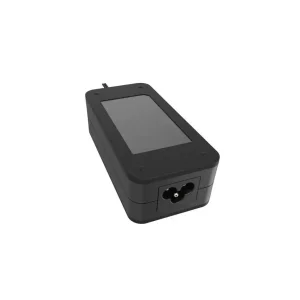
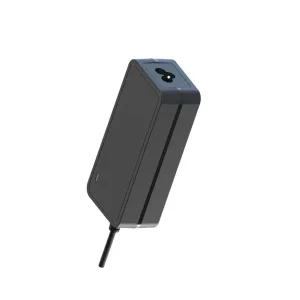
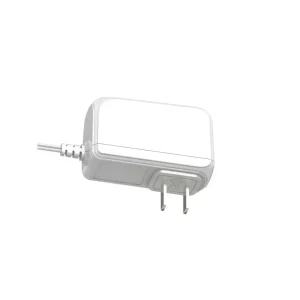
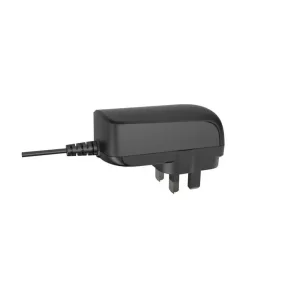
Choose from our comprehensive range of high-efficiency AC-DC power supplies, wall adapters, and vehicle charging units certified for medical, diagnostic, and commercial networks.
Frequently Asked Questions & Technical Support

Critical answers for medical device developers, procurement managers, and engineers sourcing power supplies for Brazil.

How does NBR 14136 plug compliance affect medical device certification in Brazil?
All medical equipment imported into or sold within Brazil must comply with the local standard NBR 14136 for plugs and sockets. Using non-compliant plugs can lead to delays during INMETRO and ANVISA audits. We offer medical power adapters featuring molded NBR 14136 compliance to streamline the registration of clinical systems.
Why is a 90-264 VAC wide input essential for Brazilian medical networks?
The power grid in Brazil utilizes dual standard voltages (127V and 220V) depending on regional state networks. Substantial voltage drops also occur frequently in remote clinical areas. Our 90-264 VAC wide-input design guarantees stable DC output voltage for patient safety, regardless of local grid fluctuations.
What is the difference between 2xMOPP and 2xMOOP safety barriers?
Under the IEC 60601-1 standard, MOPP (Means of Patient Protection) mandates stricter safety criteria compared to MOOP (Means of Operator Protection). A 2xMOPP design requires a minimum isolation of 4,000 VAC and 8mm creepage distance. This isolation level prevents electrical hazards from reaching patients connected to monitoring systems.
Can you provide technical documentation and co-filing assistance for ANVISA submissions?
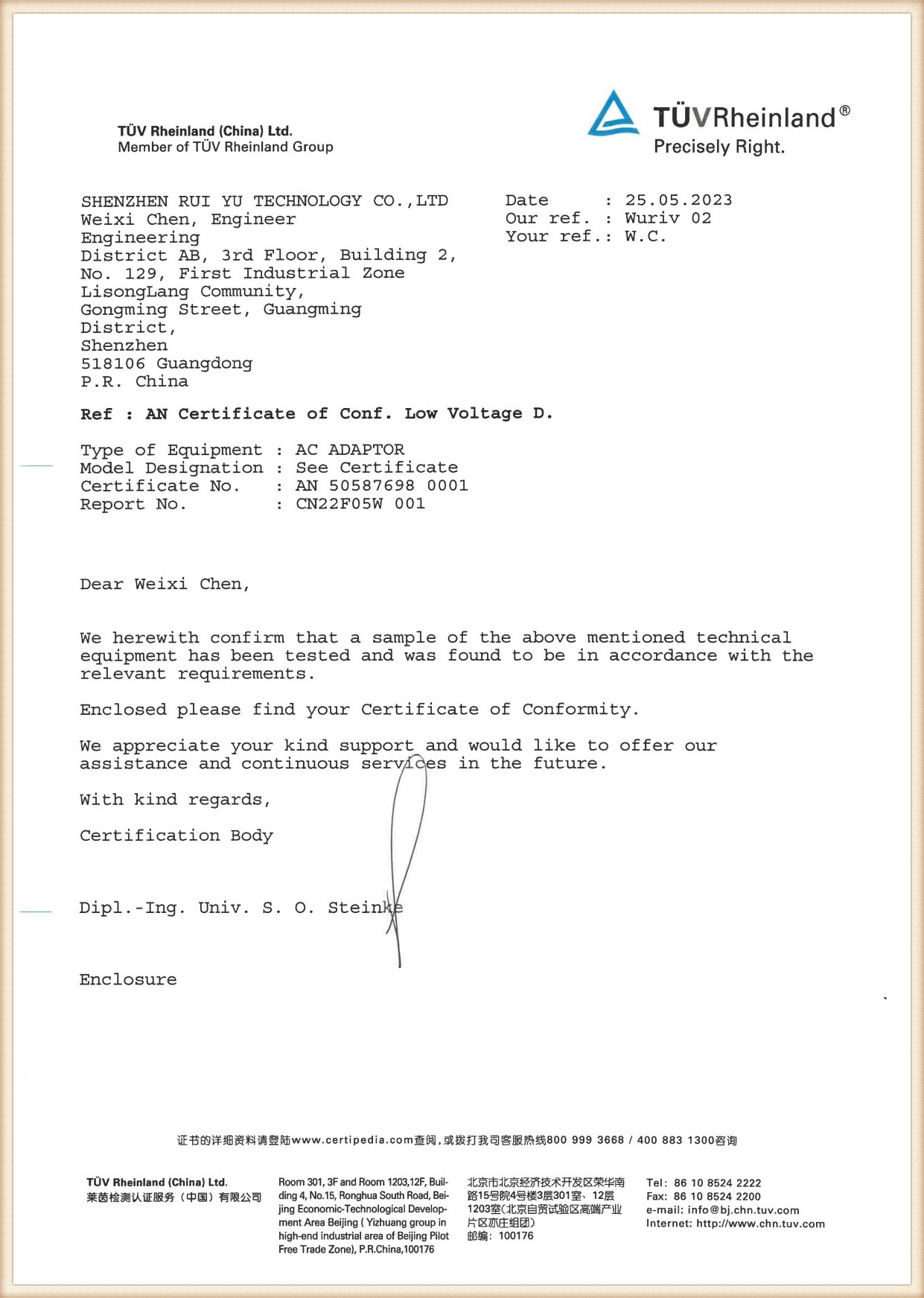
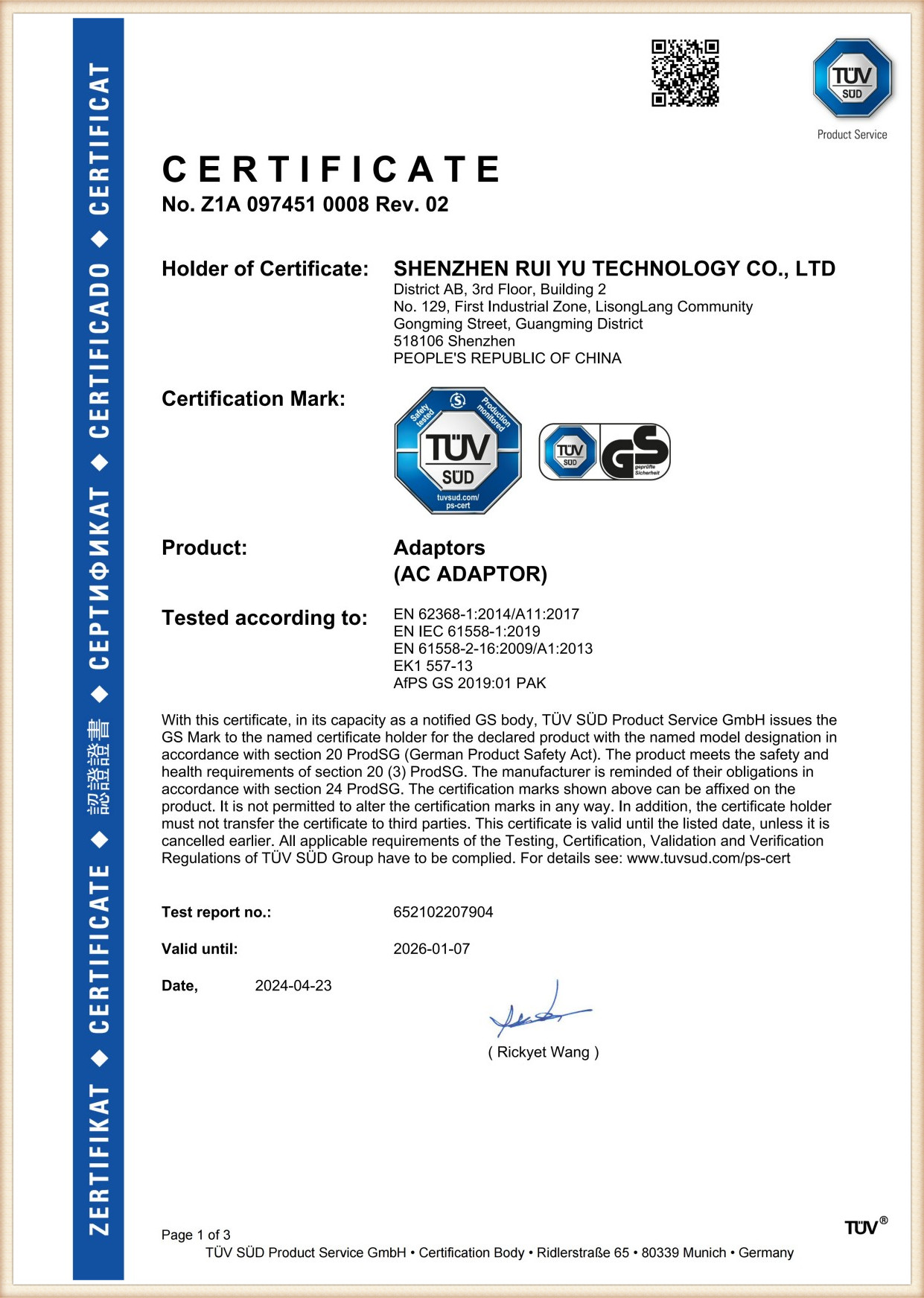
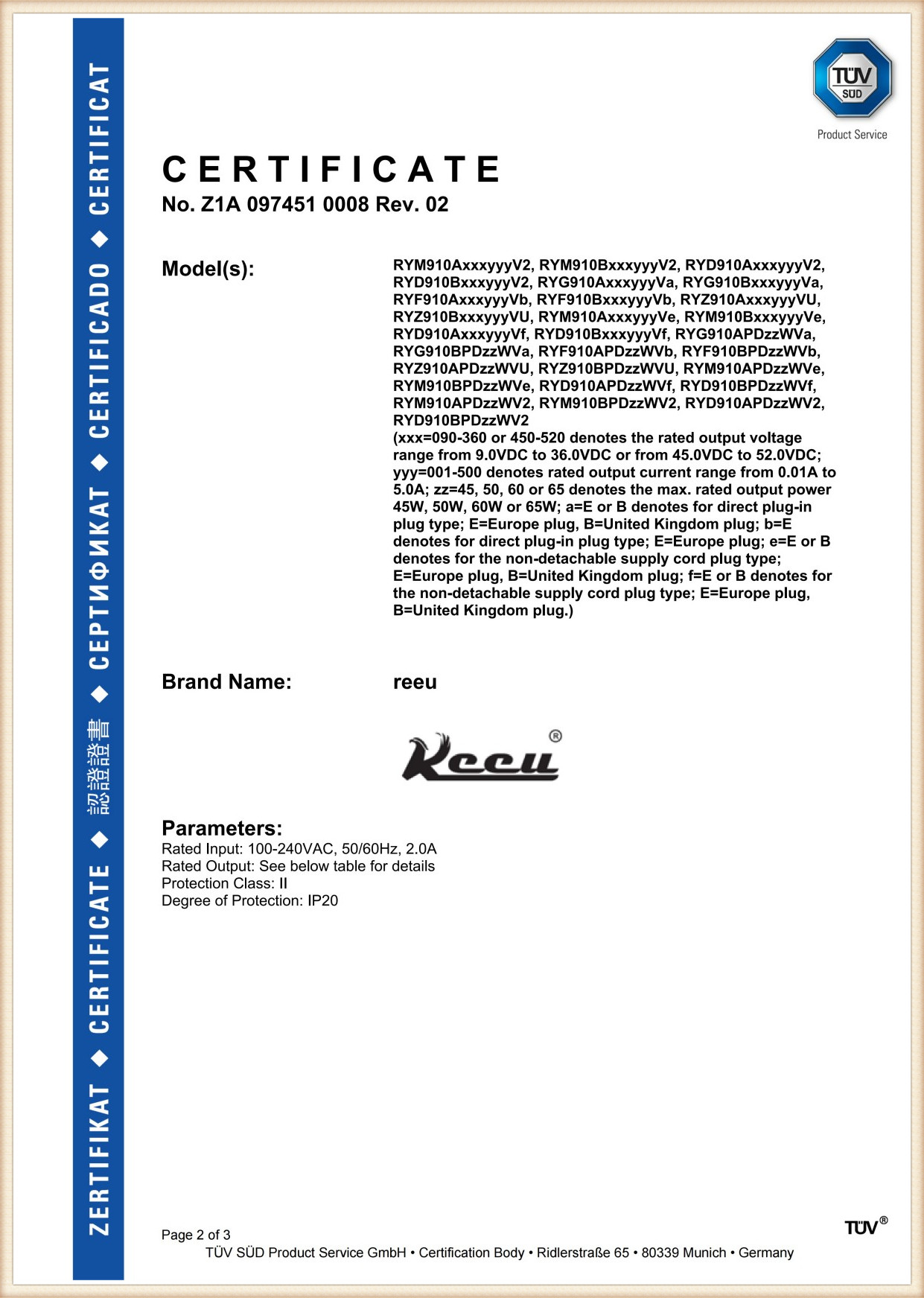
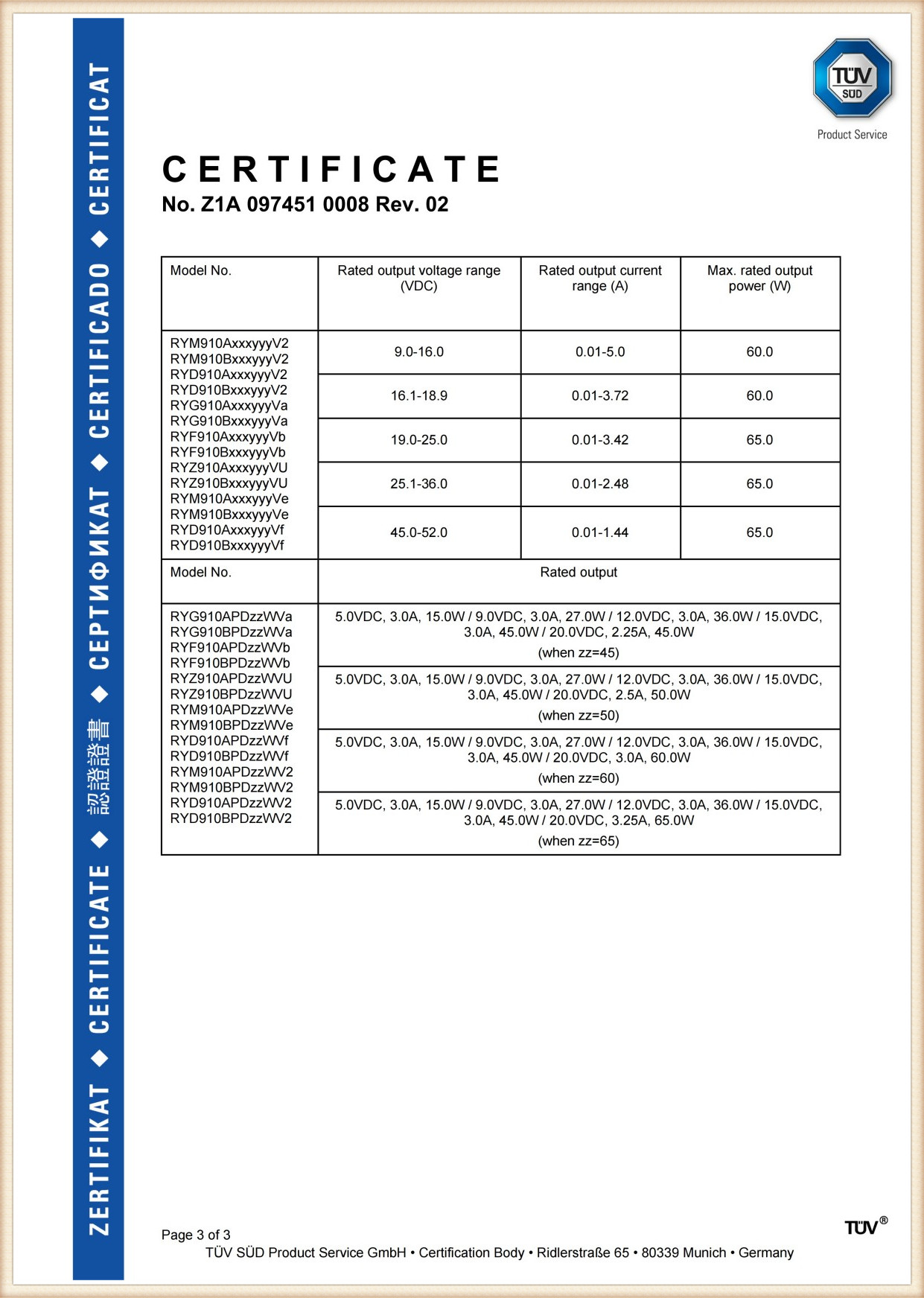
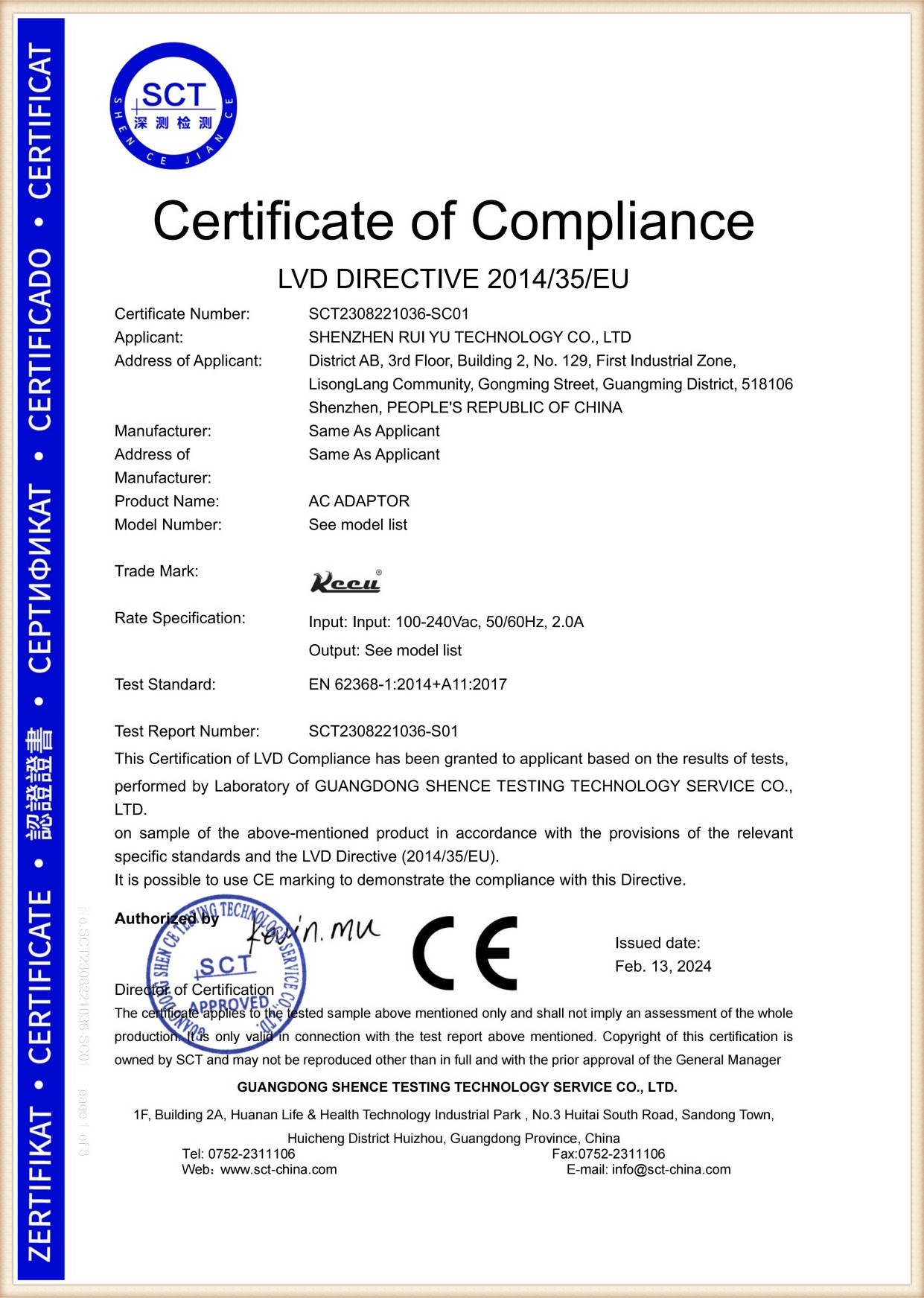
Yes. We supply comprehensive safety reports, including CB certificates, IEC 60601-1 testing data, and factory audit sheets. Our compliance team assists you during registration processes with INMETRO-accredited bodies (e.g., SGS, TÜV, UL) in Brazil to secure final ANVISA clearance.
What is the typical production timeline for large medical orders?
Standard OEM/ODM orders are completed and prepared for shipment within 15 to 20 days. Standard samples for qualification testing are dispatched within 3 to 5 business days, ensuring efficient validation cycles.

Begin Your Engineering Evaluation Process

Contact our technical support department to request custom configurations, NBR 14136 cables, or free samples for medical device validation.

Send Inquiry Now