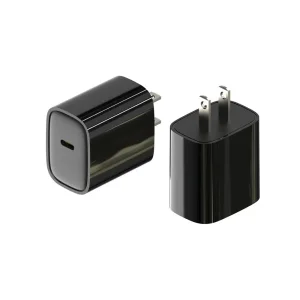
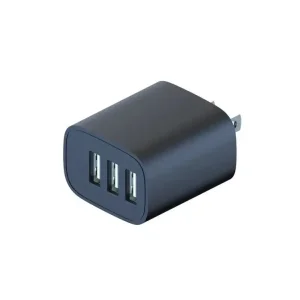
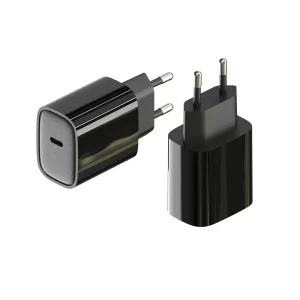
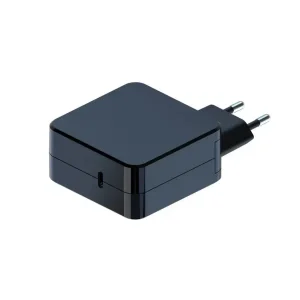
New Zealand's commercial and industrial electronics sectors are witnessing an unprecedented shift. As the nation intensifies its transition toward localized automation, IoT deployments, and smart grid infrastructures, the demand for high-reliability Universal USB AC Adapters has soared. New Zealand's unique geographical position presents distinct supply chain challenges, making the procurement of electrical equipment a critical decision for local enterprises. With local energy initiatives emphasizing energy efficiency, businesses require power adapters that satisfy stringent eco-design regulations while demonstrating robust longevity under varying operating conditions.
From commercial smart offices in Auckland to rugged industrial telemetry systems in Canterbury, power adapters serve as the primary interface between vulnerable microelectronics and the main power grid. Due to the high peak voltage fluctuations common in remote distribution networks, standard consumer-grade chargers frequently fail, causing costly hardware downtime. Consequently, Kiwi electrical engineers and procurement officers now mandate commercial-grade USB AC adapters that exhibit enhanced immunity to surge voltages, exceptional thermal performance, and a high Mean Time Between Failures (MTBF) profile.
Strict adherence to WorkSafe & RCM guidelines.
PC 94 V-0 flame-retardant enclosures with zero toxic discharge.
Every unit undergoes exhaustive thermal and electrical stress testing.
High efficiency ratings (up to 83%+) minimizing waste heat.
The modern technical roadmap for power adapters in New Zealand is dominated by the transition to Gallium Nitride (GaN) materials and high-efficiency silicon controller architectures. Traditional silicon switchers, while cost-effective, struggle with high heat generation and physical volume constraints. Our latest R&D focus integrates next-generation topologies that increase power density, permitting higher wattage outputs (such as 20W to 120W) in increasingly compact form factors. This evolution reduces shipping weights, minimizes raw material consumption, and ensures that devices run significantly cooler, extending the operating life of nearby components in enclosed industrial terminals.
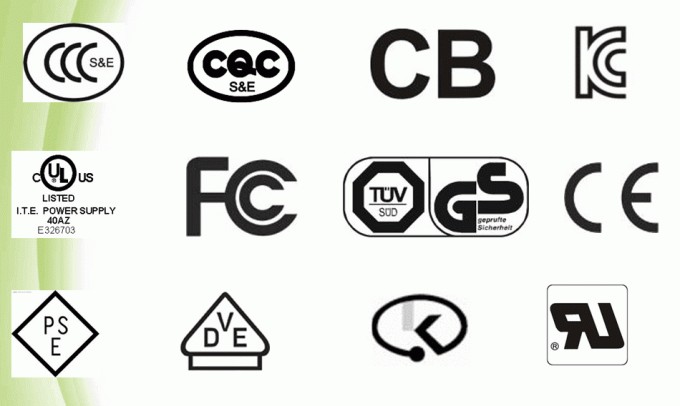
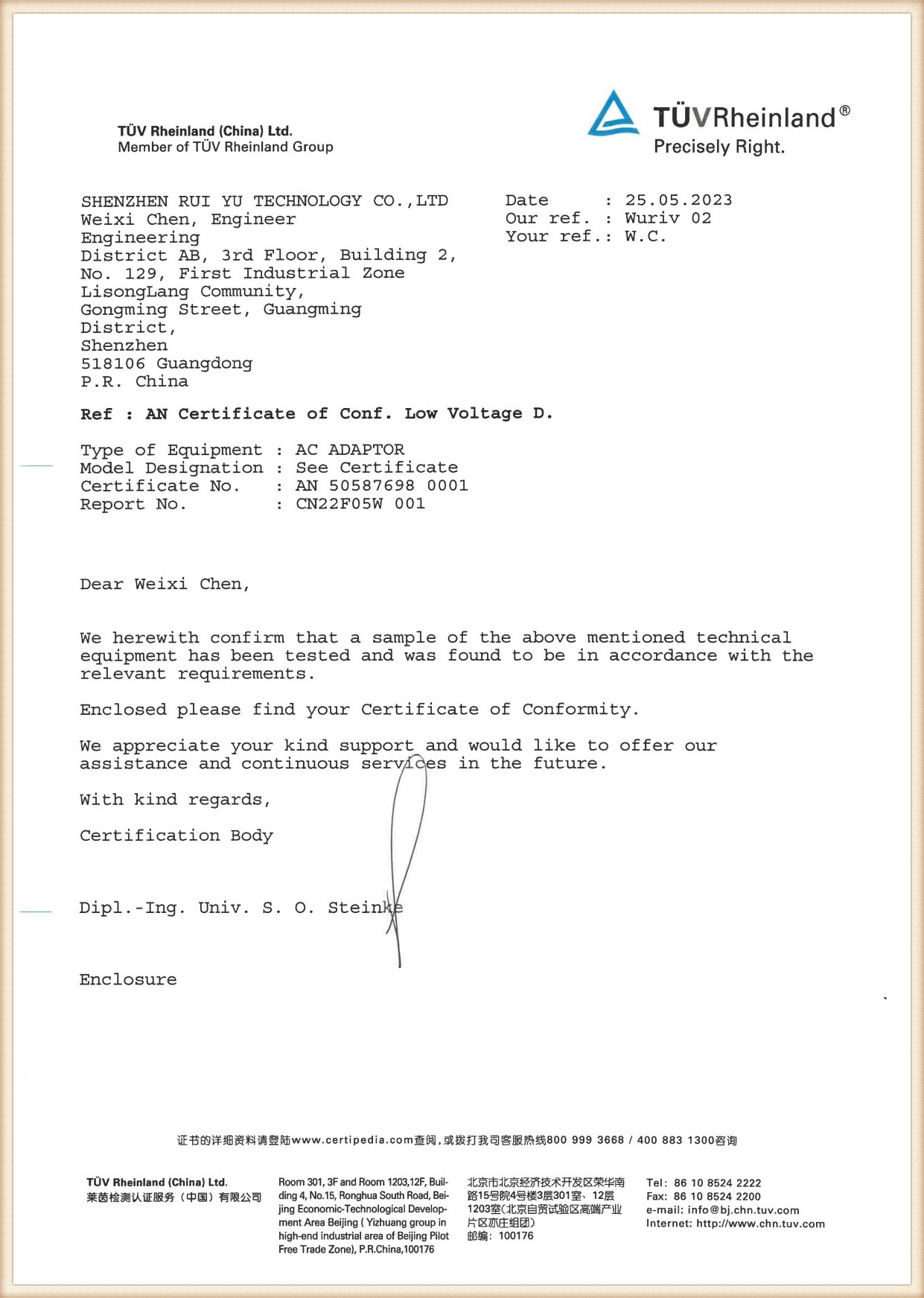
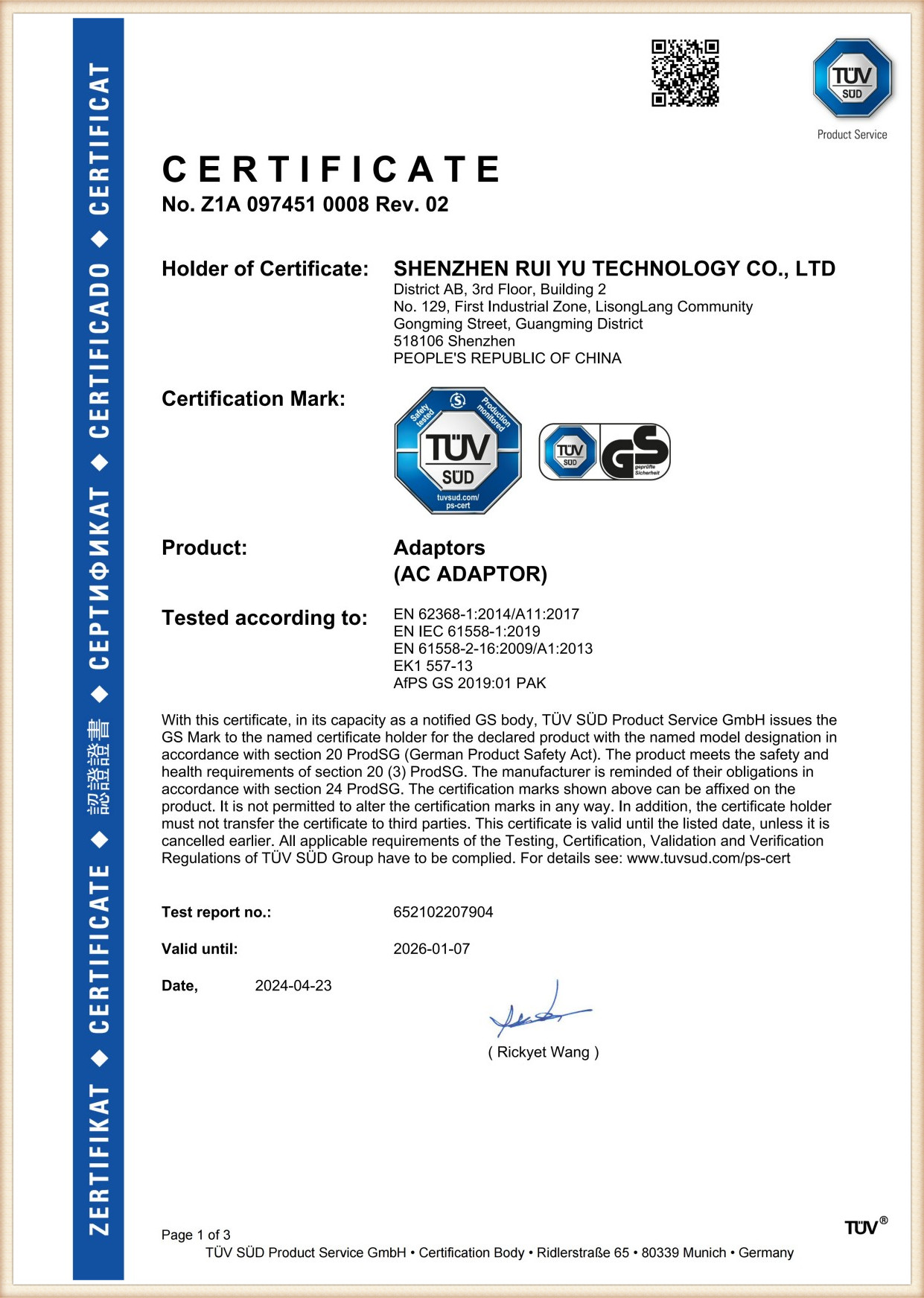
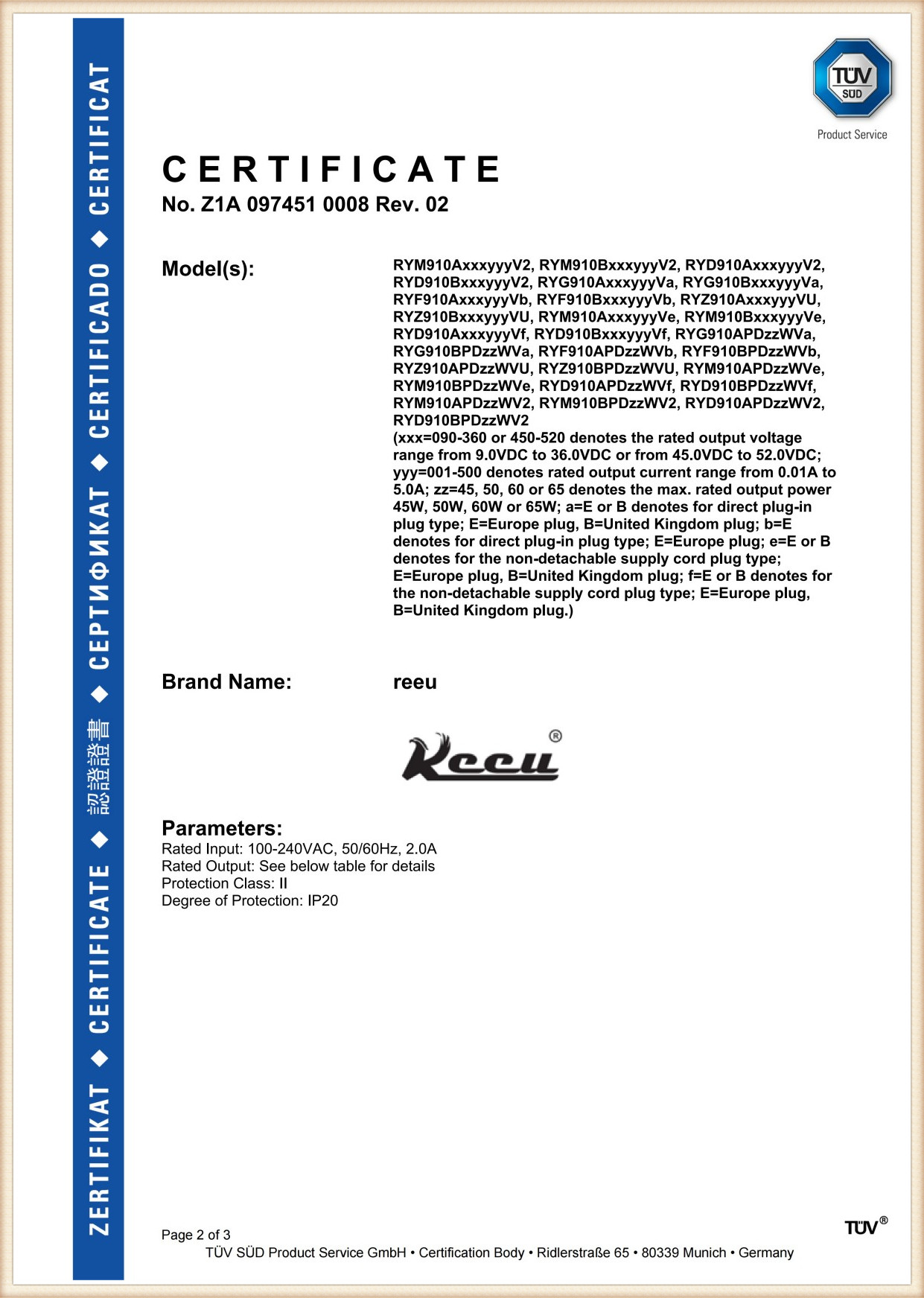
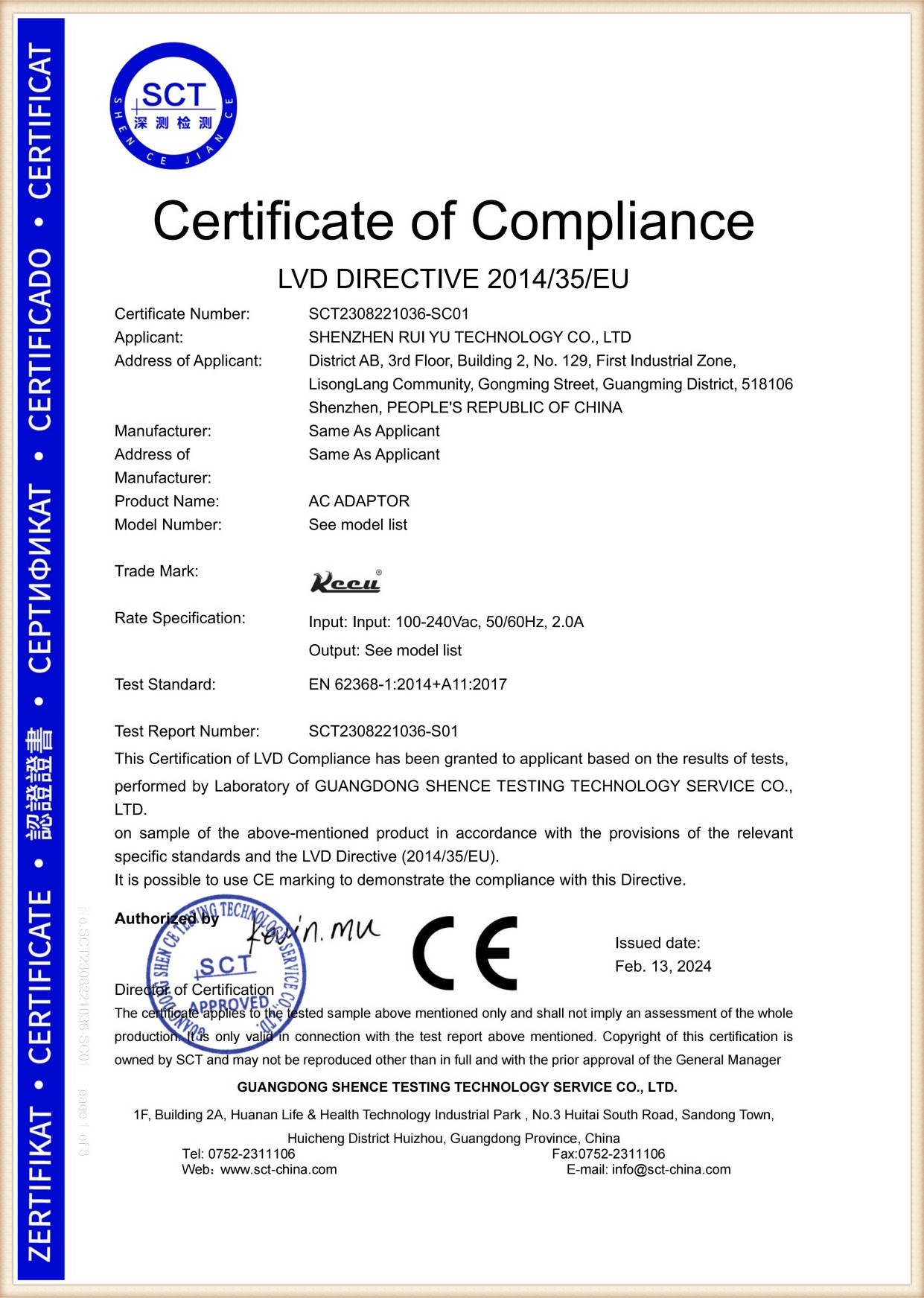
In New Zealand, USB AC adapters are classified as Level 3 "in-scope" electrical equipment under the Electrical Equipment Safety Scheme (EESS). It is legally mandated that all chargers entering the market hold a valid Certificate of Conformity demonstrating compliance with AS/NZS 62368.1 (which supersedes the older AS/NZS 60950.1 standard). Importers must verify that the manufacturing partner provides verifiable test records demonstrating RCM (Regulatory Compliance Mark) registration, preventing customs delays and costly product liability claims.
To support New Zealand importers, our manufacturing facilities adhere to strict European and Australasian testing standards. Our product catalog features comprehensive protection matrices, including Over-Voltage Protection (OVP), Over-Current Protection (OCP), Over-Load Protection (OLP), and Short-Circuit Protection (SCP). Each adapter is housed in high-impact, flame-retardant Polycarbonate (PC) conforming to the PC 94 V-0 safety standard, guaranteeing that any internal thermal anomaly is safely contained without generating toxic formaldehyde odors.
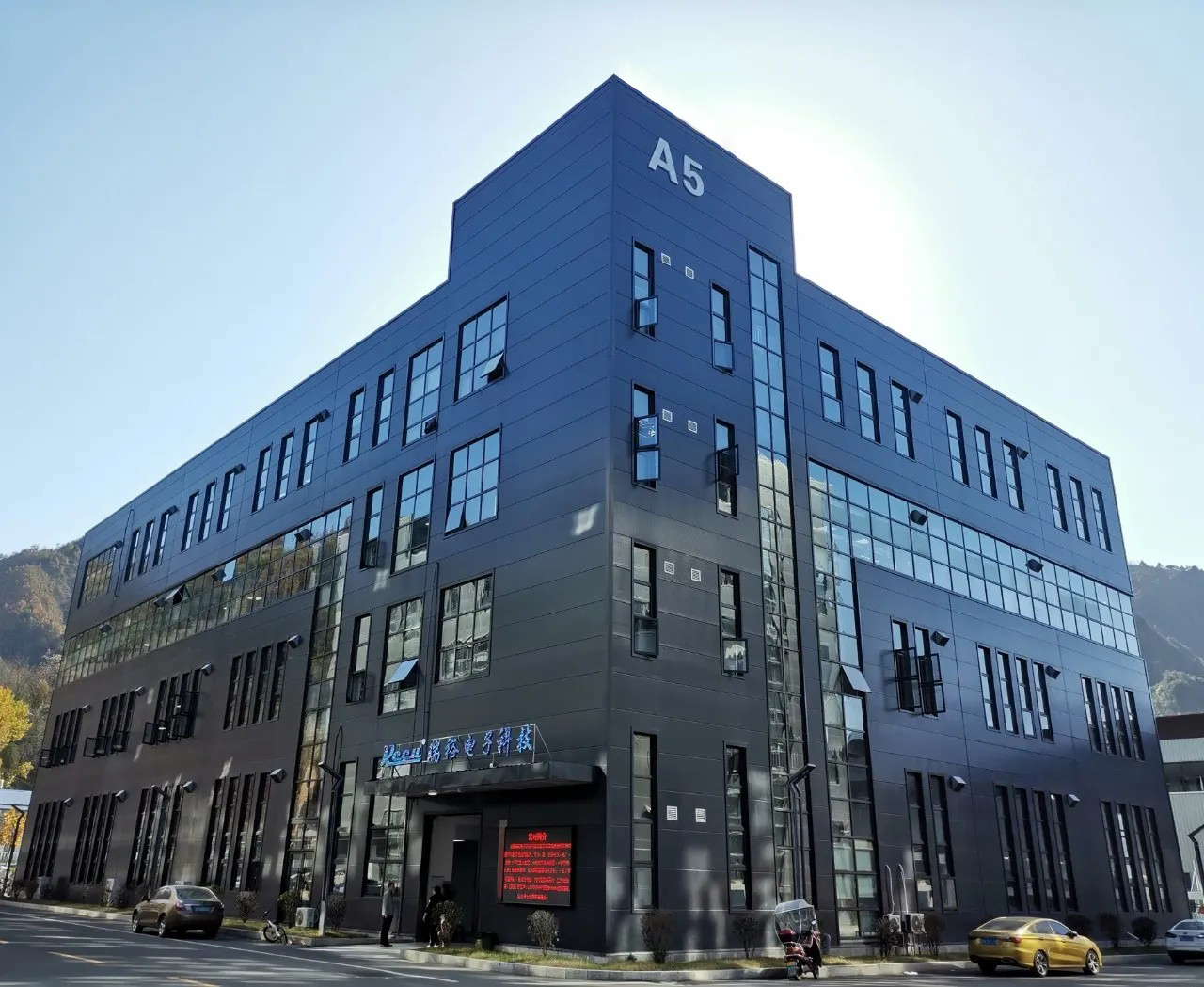
Established in August 2010, Shenzhen FuYun (RUIYU) Technology Co., Ltd. is a premier global manufacturer integrating R&D, advanced production, domestic and international sales, and specialized after-sales engineering. Located at No.129, Lisonglang Community First Industrial Zone, Gongming Town, Guangming New District, Shenzhen, China, our facilities sit at the epicentre of the world’s most advanced power electronics supply chain.
Spanning a massive 50,000 square meter facility, our operations are powered by a workforce of more than 800 highly skilled personnel, backed by an expert engineering and management team of over 30 professionals. We specialize in producing safety-certified power adapters, high-reliability USB chargers, and precision high-voltage components for modern industrial applications.
Years of R&D Experience
Production Facility
Automated SMT Lines
Daily Production Units
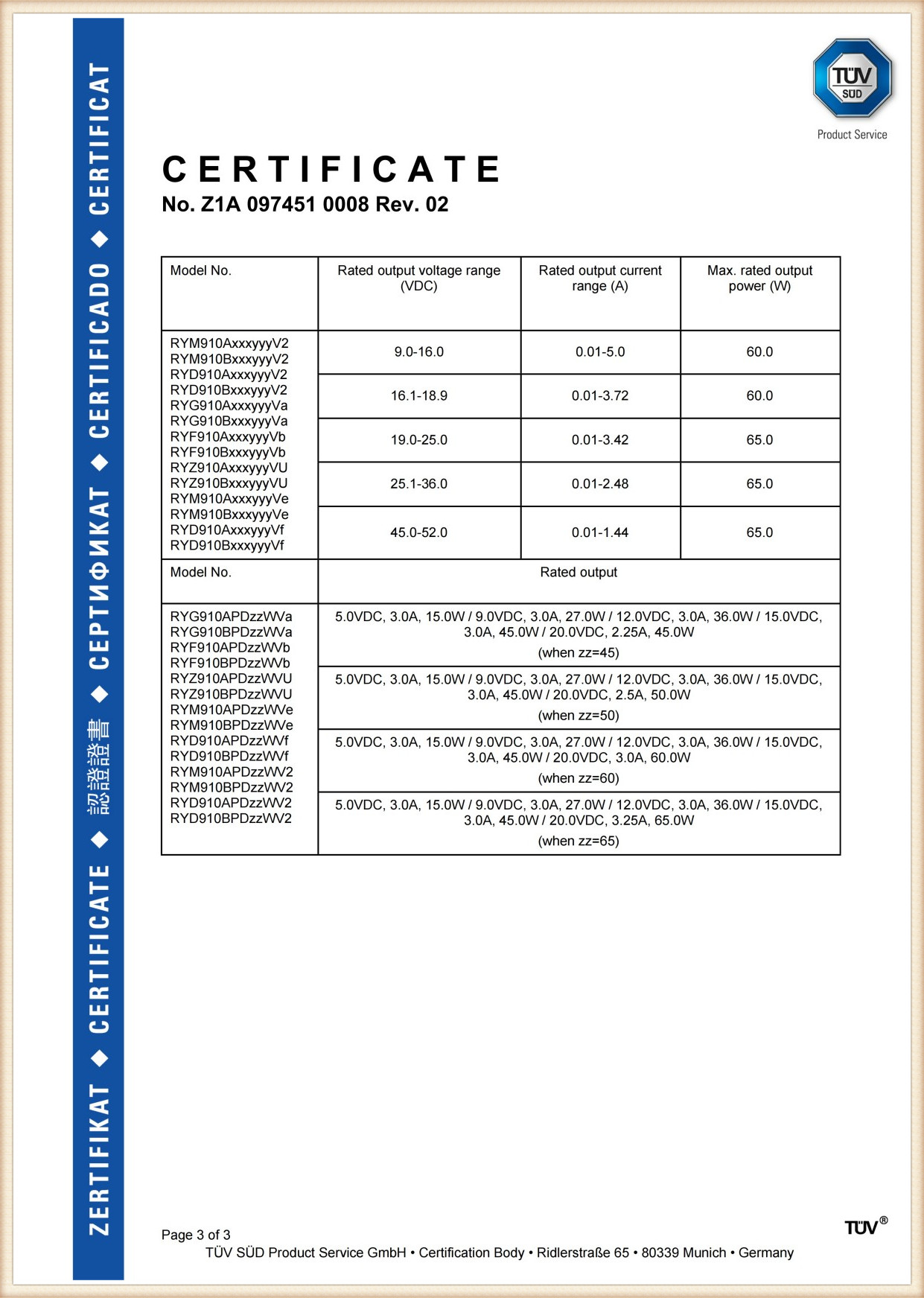
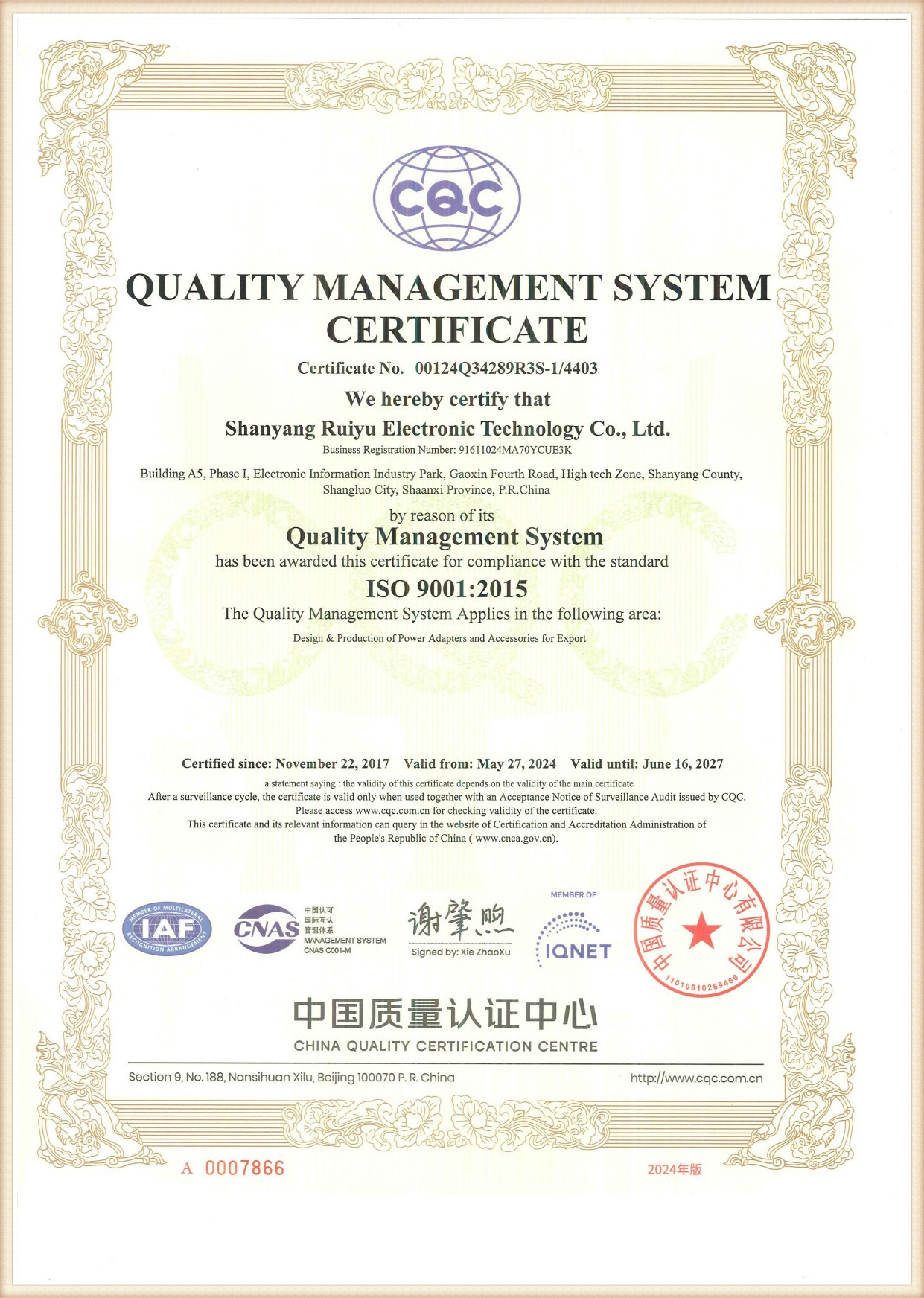
Quality at FuYun (RUIYU) is not merely a department; it is our fundamental business model. Our production lines utilize automated optical inspection (AOI) machines, high-speed SMT placement systems, and specialized reliability testing rooms. We strictly enforce standard operating procedures (SOP) compliant with ISO9001 quality management guidelines. To guarantee that every single unit delivered to New Zealand exhibits optimal safety, we run 100% of our products through a multi-point inspection process, including full dielectric isolation (Hi-Pot) tests and high-temperature full-load burn-in testing before packaging. Our recorded trace database keeps documentation for several years to ensure 100% traceability for every unit produced.
The global electronics landscape demands both agility and economic viability. Partnering with a vertically integrated Chinese factory like FuYun (RUIYU) Technology offers New Zealand enterprises direct access to robust supply chains that absorb localized disruptions. By manufacturing our components within the Shenzhen technology corridor, we maintain direct oversight of copper winding, semiconductor sourcing, PCB fabrication, and plastic injection molding. This structural integration allows us to keep lead times at a highly competitive 15 to 20 days, compared to the industry standard of 45-60 days.
Furthermore, our Industry 4.0 manufacturing processes allow for cost optimization without compromising quality. With 48 dedicated production lines and extensive automated packaging machinery, we maintain scaling efficiencies that enable lower unit economics. These savings are passed directly to our commercial partners, offering premium, safety-certified universal adapters at highly competitive pricing, accompanied by robust warranties and comprehensive customer service.
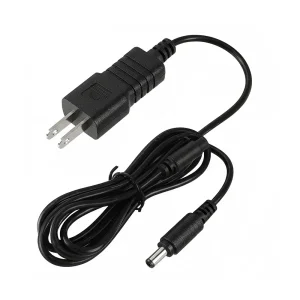
Recognizing that standard off-the-shelf units do not fit every technical specification, we provide comprehensive OEM and ODM capabilities. Our services include customized housing layouts, proprietary PCB sizing for specialized applications, and custom cable lengths and DC connector geometries. We accommodate diverse target markets with flexible terms, including:
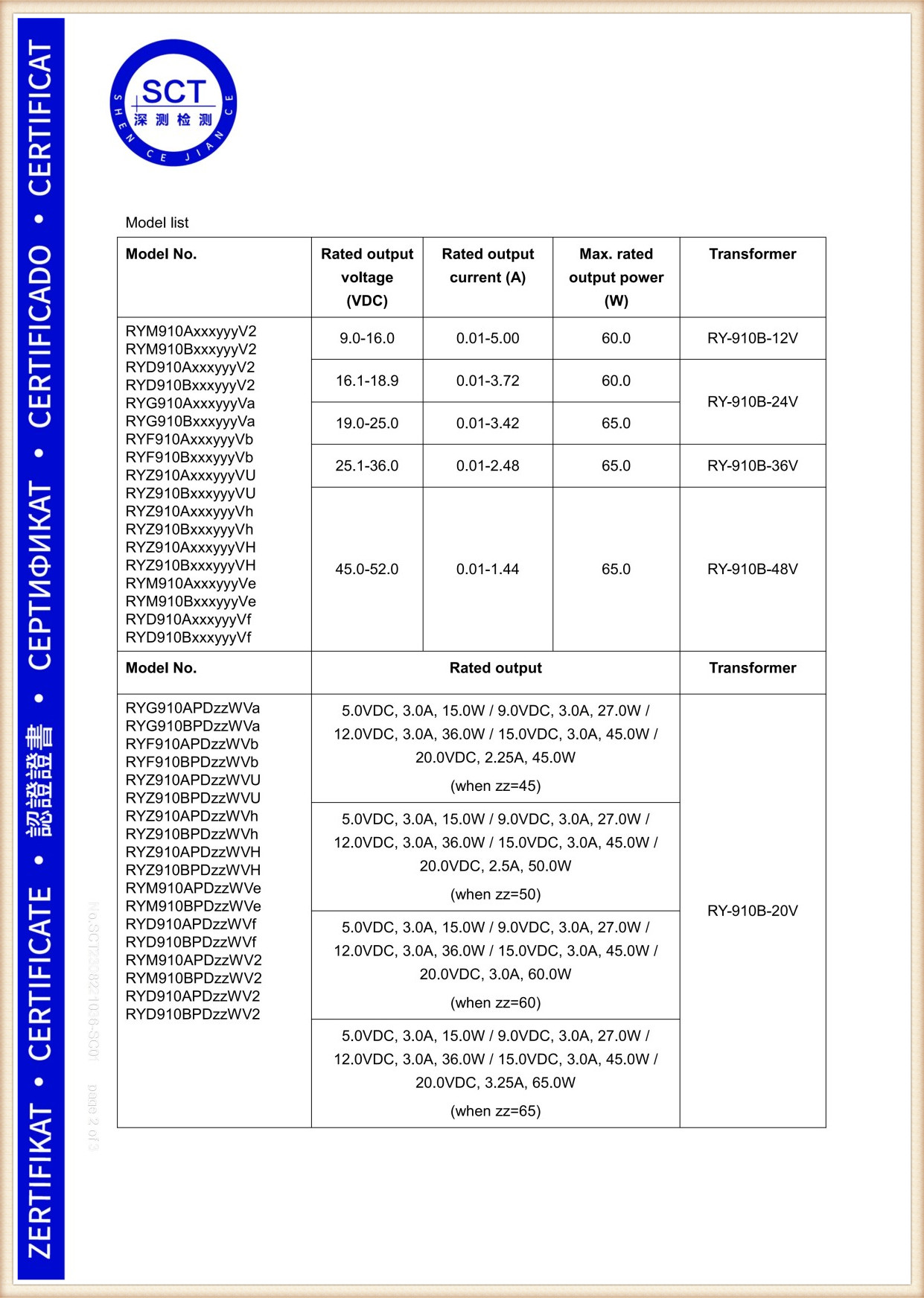
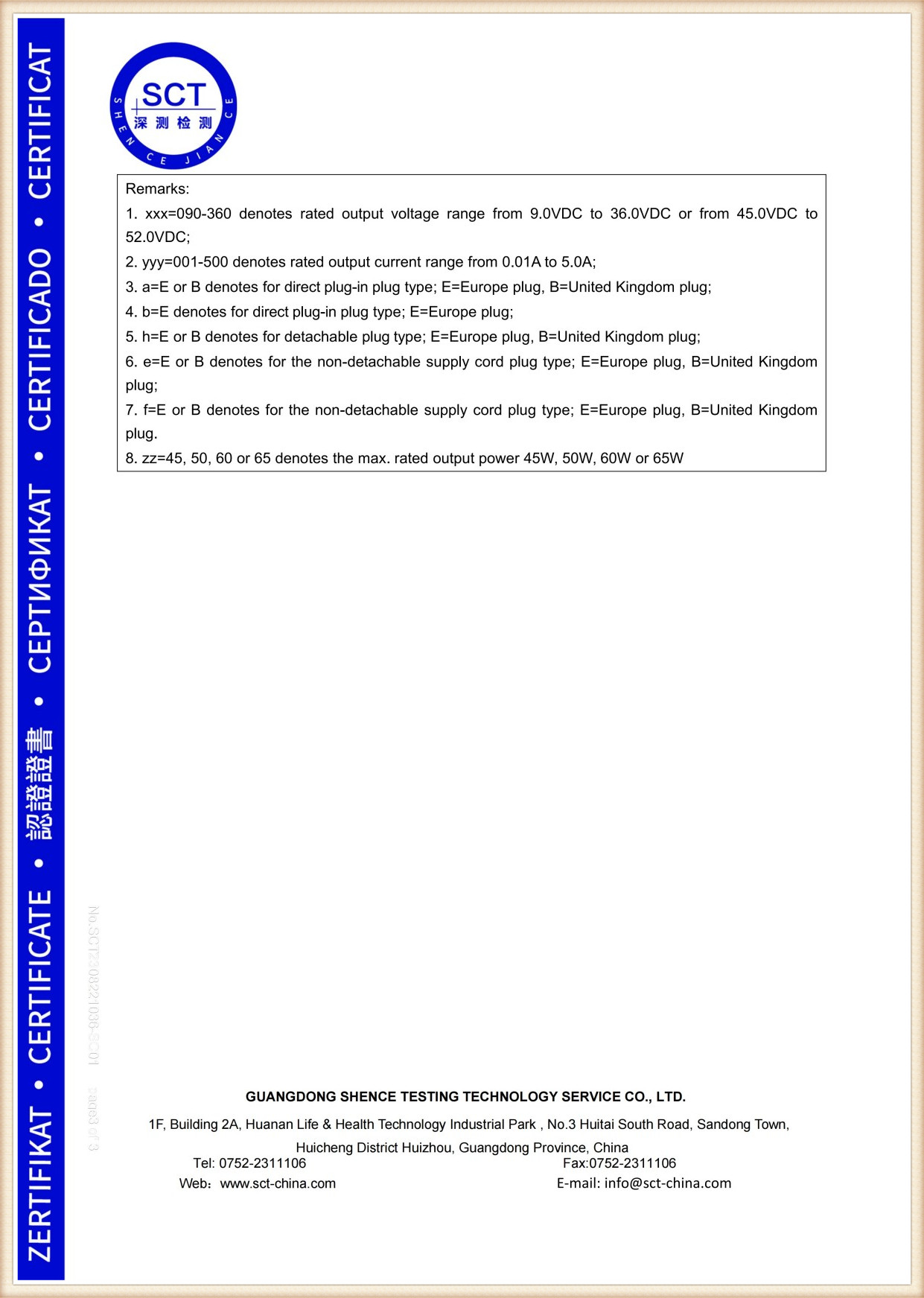
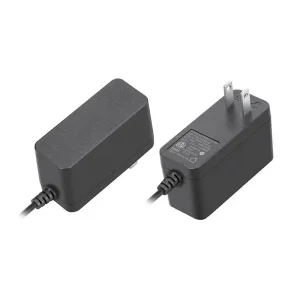
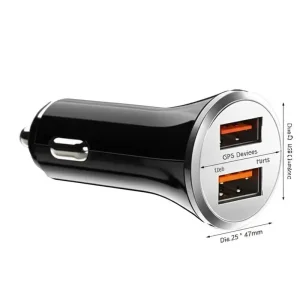
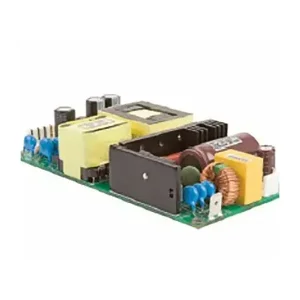
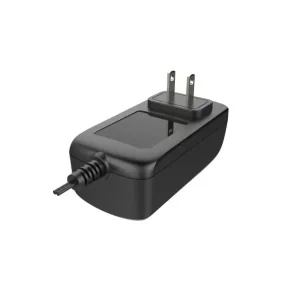
A: Under the Electrical Equipment Safety Scheme (EESS) regulated by WorkSafe New Zealand, USB AC adapters (chargers) are classified as Level 3 in-scope electrical equipment. You must possess a valid certificate of compliance matching AS/NZS 62368.1 standard. The products must bear the Regulatory Compliance Mark (RCM) logo and be registered on the national database before being sold to commercial or retail consumers.
A: Our standard manufacturing lead time is 15 to 20 days once the purchase order and technical specifications are finalized. For custom OEM/ODM solutions requiring unique mold modifications, sample preparation takes about 7-10 days, with bulk production timelines finalized after initial prototype approval.
A: PC 94 V-0 is the premier safety rating defined by UL 94. It indicates that the plastic casing stops burning within 10 seconds on a vertical specimen, preventing flame propagation. Using PC 94 V-0 guarantees that even during a catastrophic failure of internal power supply components, the charger will not ignite external surfaces or emit toxic fumes, satisfying New Zealand safety regulations.
A: We select premium Japanese/Taiwanese capacitors rated for high temperatures (up to 105°C) and utilize robust integrated controller ICs. Additionally, we enforce rigorous production testing, including a full-load high-temperature burn-in stage. This preemptively identifies and filters out defective units, keeping our field failure rate below 0.1%.
A: Yes, we provide full OEM/ODM services for DC plug variations (e.g., 5.5x2.1mm, 3.5x1.35mm, USB-C, or customized multi-pin connectors) and tailored cable lengths. Our MOQ for custom cable terminations starts at 500 units, making it accessible for medium-sized commercial projects.
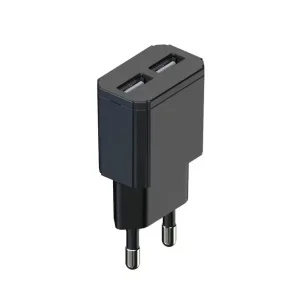
 Tech Adapter